
Air conditioning service involves a series of structured steps designed to preserve the function, efficiency, and reliability of an air conditioning (AC) system. The goal is to maintain optimal air quality, minimize energy consumption, and reduce the likelihood of system malfunction by addressing wear, build-up, and potential mechanical issues. Periodic AC service is recognized as a preventive maintenance practice within the broader field of HVAC (heating, ventilation, and air conditioning) care.
Various maintenance procedures are commonly included in AC service. These often address key system components, perform cleanliness checks, and ensure operational settings remain within manufacturer-recommended tolerances. By following essential maintenance steps, system owners and technicians can typically enhance system performance and predictability, which contributes to more consistent internal environments and can promote equipment longevity.
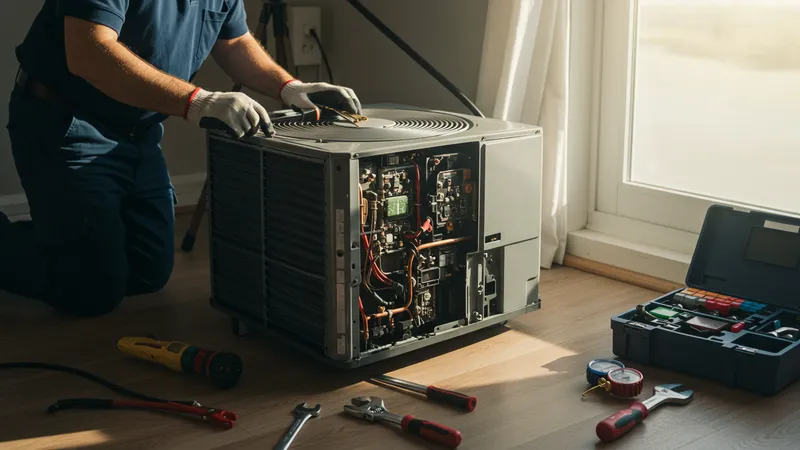
AC service procedures are selected according to commonly referenced manufacturer guidelines and industry standards. The list here includes steps that are frequently cited for their direct impact on system diagnostics, cleanliness, and efficiency. While pricing and specific techniques can vary, these examples reflect typical market practices in residential and light commercial contexts. Selection is based on factors such as maintenance effectiveness, universal applicability, and safety profiles.
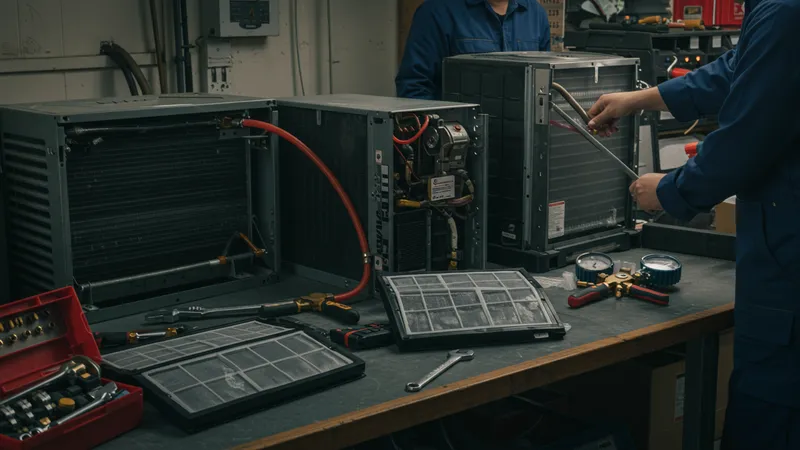
Routine filter management is widely referenced as a foundational aspect of AC servicing. Filters capture airborne contaminants, helping to maintain indoor air quality and protect internal components from excess dust and debris. Replacement frequency can vary depending on system type, filter material, and usage patterns—often recommended at intervals ranging from one to three months for typical systems.
Cleaning of condenser and evaporator coils may support the system's heat exchange efficiency. Coil cleaning is typically performed using sprays or foams formulated for HVAC surfaces, helping to dissolve and remove dust or built-up organic material. This maintenance action may contribute to improved airflow and can reduce the risk of overheating or mechanical stress on the AC unit.
Refrigerant level checks involve precision measurement with calibrated gauges, as AC systems require specific charge levels to function efficiently. Improper refrigerant levels can result in reduced cooling performance or system ice-up. Adjustment of levels is carried out according to manufacturer targets, and service providers often use certified products that meet current industry regulations.
By coordinating these essential steps, AC service may deliver outcomes such as greater system reliability, improved energy consumption rates, and a more stable indoor environment. Each part of the maintenance process is designed to detect and resolve small issues before they escalate, although maintenance effectiveness depends on regularity and correct application. The next sections examine practical components and considerations in more detail.
Preventive maintenance in AC service aims to anticipate and address issues before they impact system operation. Strategic scheduling, such as semi-annual or annual check-ups, may support the early detection of wear, leaks, or blockages. Such routines often include both visual inspection and hands-on diagnostic testing, helping to verify system safety and operational integrity. By adhering to preventive methods, property managers and service technicians can typically minimize unplanned downtime and service interruptions.
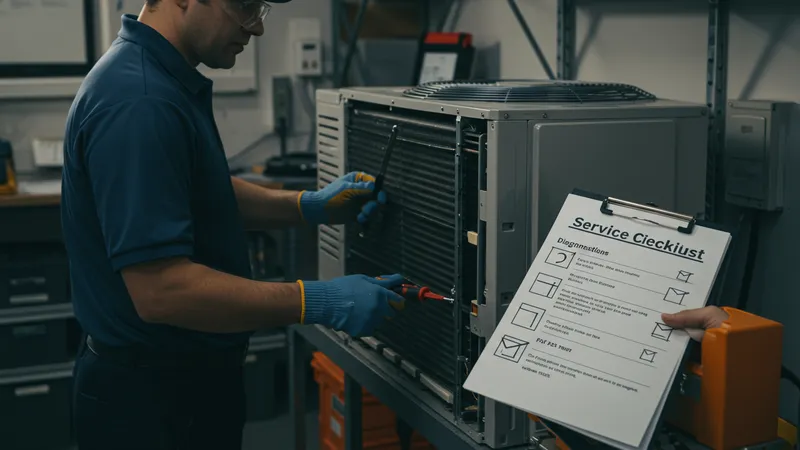
Filter inspection and replacement are often performed during preventive maintenance visits. Clogged or neglected filters can increase air resistance, forcing the AC system to operate longer and consume more electricity. Replacing filters at intervals suggested by manufacturers is one measure that typically enhances output quality and supports efficient airflow. Over time, consistent filter care may also reduce the chance of dust accumulation in ductwork and coils.
Regular coil cleaning is recognized for its influence on heat transfer efficiency in AC systems. Dirty coils insulate against thermal exchange, causing the compressor to work harder and potentially shortening its functional life. Preventive cleaning often includes gentle removal of debris and application of manufacturer-approved cleaning agents. This process not only maintains system efficiency, it can also respond to early signs of moisture build-up, which in certain situations may contribute to mold growth if left unaddressed.
Regular refrigerant checks during scheduled service visits allow for verification of system charge and the identification of leaks or incorrect pressure levels. Technicians typically measure refrigerant with industry-standard tools, making corrections as necessary to align with operational specifications. Preventive monitoring of refrigerant can help avoid sudden performance drops and may mitigate risks related to both undercharging and overcharging—conditions that could otherwise impact compressor or evaporator health.
Essential maintenance steps within AC service can often be linked to patterns of energy consumption and overall system longevity. Neglect of routine tasks—such as filter changes or coil cleaning—may result in increased power demand as the AC unit compensates for restricted airflow or inefficient heat transfer. Periodic attention to these areas is a commonly adopted strategy in the HVAC industry to manage operational costs and extend product lifespans.
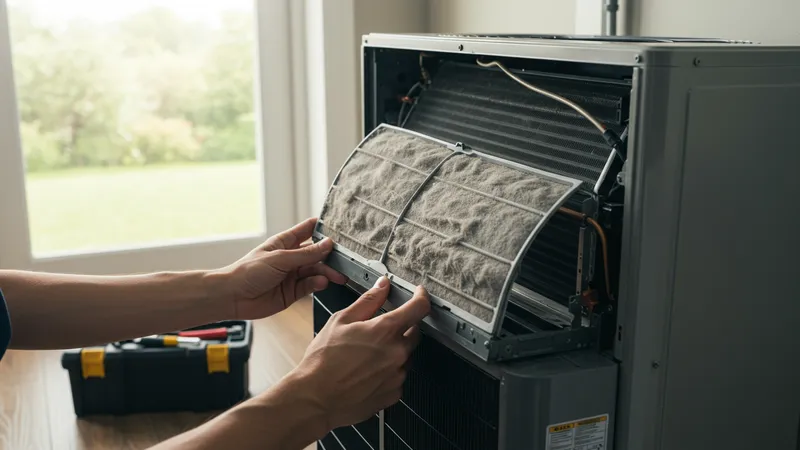
Filter maintenance is a key area where energy usage can be affected. A clean filter facilitates unobstructed air movement, which allows the system’s fan and compressor to cycle on and off as designed. When filters become saturated with particulate matter, energy draw typically increases due to heightened system resistance. Conversely, prompt filter replacement in line with general standards may contribute to more predictable energy profiles and mechanical wear reduction.
Coil cleanliness similarly plays a role in managing both immediate and long-term system efficiency. Dirty coils impede effective heat transfer, resulting in longer cooling cycles and raised utility loads. Scheduled coil cleaning, combined with attention to drainage and airflow pathways, can help mitigate these effects and preserve compressor and fan condition over extended periods.
Correct refrigerant charge is essential to optimized system operation. Undercharged or overcharged systems often draw excess current and display erratic cycling behavior, which can shorten component life. Regular monitoring and balancing of refrigerant levels, performed as part of routine service procedures, typically support manufacturer claims regarding energy efficiency and may add measurable value in lifecycle equipment costs.
Attention to essential AC maintenance steps may have implications for indoor environmental quality. Air filters act as primary defense barriers against dust, pollen, and some airborne microorganisms; consistently serviced filters may contribute to improved particulate removal from circulated air. The type and quality of the filter used affect its capacity, with HEPA or high-MERV rated filters capturing a wider range of particle sizes when fitted to compatible systems.
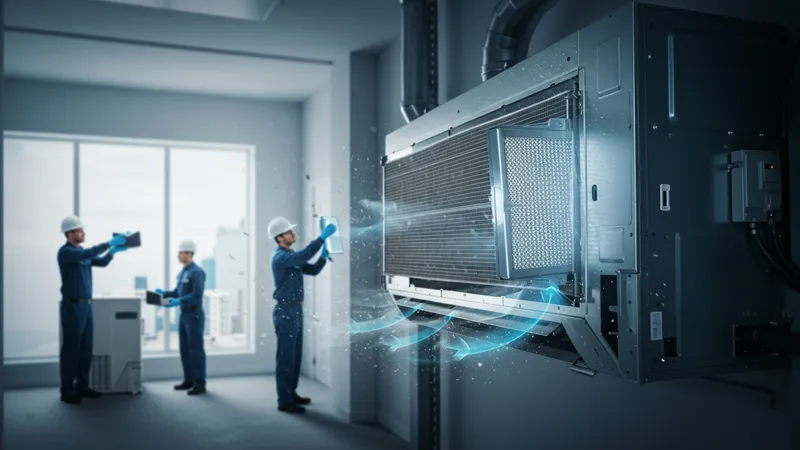
Evaporator and condenser coil maintenance also plays a part in supporting indoor air quality. Buildup on coils, if not removed, can harbor moisture and organic matter, creating conditions favorable to microbial growth. Regular cleaning may minimize the risk of such occurrences and helps to ensure that airflow remains steady and unimpeded, which can help maintain consistent distribution of conditioned air throughout interior spaces.
Monitoring of refrigerant levels, while integral to cooling function, can also indirectly support environmental quality. Systems operating outside designed refrigerant parameters may produce inconsistent humidity control and irregular temperature distribution, both of which can affect occupant comfort. Addressing refrigerant issues quickly during regular service reduces the likelihood of sustained environmental fluctuation.
Comprehensive AC maintenance measures serve to keep the system operating as engineered, supporting both equipment function and indoor living or work standards. By focusing on coordinated actions—filter replacement, coil cleaning, and refrigerant checking—service routines can align with general indoor environmental quality objectives commonly cited in HVAC and building management literature.
System reliability is a commonly sought-after outcome of routine AC service, and essential maintenance steps play a direct part in achieving this goal. Scheduled interventions, such as filter change, coil cleaning, and refrigerant inspections, are designed to maintain components within intended operating parameters and identify faults before they escalate into costly repairs or downtime.
Predictable system function often translates to fewer emergency interventions and more stable operation during peak demand periods. For commercial or multifamily properties, this can mean improved tenant satisfaction and lower maintenance disruption. While no process can eliminate all unforeseen breakdowns, the regular execution of essential tasks has been shown in case studies to decrease the incidence of major mechanical failure over typical lifespans of AC units.
AC maintenance routines frequently include recordkeeping practices, tracking filter replacement dates, coil condition, and service records for refrigerant charge adjustments. This documentation can facilitate more accurate troubleshooting and support warranty obligations, as many manufacturers require evidence of regular care for repair or replacement claims.
Overall, the adoption of structured AC maintenance steps may result in a well-documented, efficiently operating system with improved resilience against unexpected failures. The extent of realized system benefits depends on consistency, qualifications of service personnel, and the overall age and condition of the AC equipment involved.