
Financing real estate purchases involves various methods, with mortgages being the most widely used. Mortgage types determine how borrowers repay the funds borrowed to buy or refinance property. Each mortgage structure may differ in features like interest rates, repayment schedules, payment flexibility, and eligibility criteria. Understanding these mortgage options is a key step for anyone considering property acquisition or changes in existing real estate financing structures.
Several factors typically shape the choice of a mortgage, including personal financial goals, creditworthiness, property type, and long-term financial planning. Lenders commonly offer multiple mortgage products to cater to diverse customer needs. While most mortgages operate on a basic principle of repaying borrowed capital plus interest, the specific terms and classification can influence cost, flexibility, and total repayment period.

Fixed-rate mortgages are one of the most frequently referenced mortgage types. These products provide borrowers with payment stability, as the interest rate does not change over the loan’s life. This may help those prioritizing predictable monthly outflows to plan their budgets more effectively. Fixed rates may, however, be initially higher than introductory rates often advertised with variable or adjustable loans.
Adjustable-rate mortgages are structured so that the interest rate may shift after an initial fixed period, typically every one, three, five, or seven years thereafter. Borrowers who anticipate selling or refinancing before rate adjustments might consider this route. However, adjustments can result in payment increases, which can affect long-term affordability.
Interest-only mortgages often serve unique financial planning purposes. These loans allow monthly payments to cover the interest portion only for a limited time, which may reduce initial payments. Beyond the initial period, though, principal payments begin, requiring larger payments later. This structure is less common and may be suitable only for specific scenarios after careful consideration of future payment increases.
Each mortgage type presents different long-term considerations. People often weigh total possible costs, payment predictability, and flexibility when examining these options. Lenders evaluate factors such as applicant income, credit history, and loan value before offering each payment structure. Examining contract terms closely and comparing options using credible information sources often plays an important role during the selection process.
In summary, mortgage types reflect fundamental real estate financing choices that can affect both the total cost and payback experience for borrowers. Selecting an appropriate option may require reviewing both short-term affordability and long-term financial implications. The next sections examine practical components and considerations in more detail.
Exploring the different mortgage types in more detail reveals distinctive structural features. A fixed-rate mortgage is typified by a consistent interest rate for the entire duration of the loan, which can often span 10, 15, 20, or 30 years. This consistency means monthly payments tend to remain unchanged, which may assist with stable planning for homeowners who value predictability.

Adjustable-rate mortgages, sometimes referred to by acronyms such as ARM, start with a fixed interest rate for a predetermined period—commonly three, five, or seven years. After this period, the interest rate generally adjusts at regular intervals, such as annually, and is often indexed to a publicly available reference rate plus a margin set by the lender. This structure can lead to lower initial monthly payments but may expose borrowers to increased payment amounts as rates fluctuate over time.
Interest-only mortgages are constructed with an initial phase, usually five to ten years, during which the borrower is required only to pay the interest portion of the loan. After that period, monthly payments typically increase as the borrower begins to pay both interest and the principal balance. This arrangement may provide payment flexibility at the start but requires planning for larger payments in the remaining term.
When considering any of these mortgage types, eligibility criteria and required documentation often differ. Lenders generally assess creditworthiness, debt-to-income ratio, employment status, and available collateral. In some cases, particularly with adjustable-rate and interest-only mortgages, stricter underwriting standards may apply due to the potential for payment increases or complexity in repayment terms.
The popularity and pricing of different mortgage types can shift based on broader market interest rates and economic conditions. Fixed-rate mortgages are often favored in environments where interest rates are low but expected to rise, as borrowers can secure the current rate for the long term. In times of stable or declining rates, adjustable-rate mortgages may attract more interest due to their typically lower introductory rates.
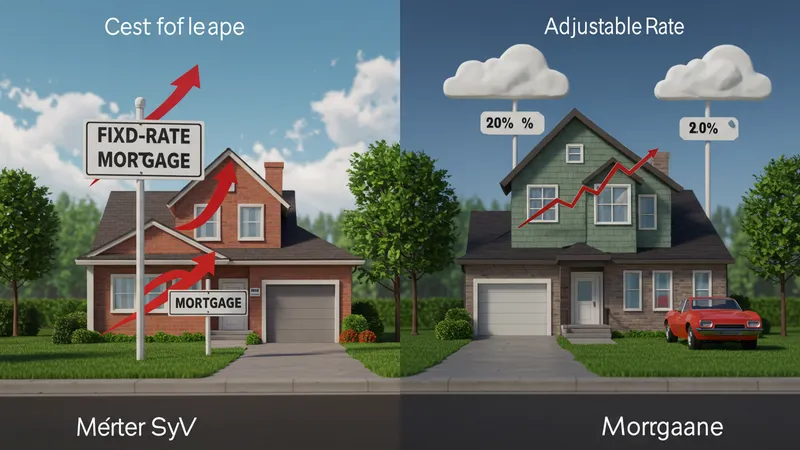
Adjustable-rate mortgages can provide cost advantages if interest rates remain low throughout the adjustable period. However, in volatile markets, these loans might result in higher monthly payments when adjustments occur. Borrowers frequently review the caps and limits governing how much the rate and monthly payment can increase in a given period to manage risk exposure.
Interest-only mortgages are sometimes used by borrowers anticipating significant increases in income or expecting to hold the property for a relatively short timeframe. In periods of high property appreciation, interest-only loans may allow flexibility, though they may also increase the risk of negative equity if real estate values fall during the interest-only phase.
Across all mortgage types, lenders may adjust lending criteria—such as down payment requirements or credit thresholds—based on perceived market risks and regulatory factors. Keeping informed about prevailing mortgage rates and market forecasts can support more realistic planning in selecting a mortgage structure aligned with individual circumstances.
Choosing a mortgage type often involves comparing not only current affordability but also anticipated changes in income, property ownership plans, and market interest trends. Fixed-rate mortgages may suit those seeking payment consistency and planning for extended homeownership, while adjustable-rate or interest-only mortgages may attract individuals expecting life or financial changes within several years.

Amortization schedules differ between these mortgage types. Fixed-rate options have predictable principal and interest payments over the entire term. Adjustable-rate mortgages introduce variability after the initial period, and interest-only mortgages can create a payment jump when principal payments commence. Borrowers may analyze total estimated interest paid over the life of each loan, not just initial rates.
Prepayment penalties, refinancing terms, and the ability to make extra payments can all be relevant when comparing mortgage products. Some loans may provide more flexibility for accelerated payoff or early exit; others may apply penalties or restrictions that influence overall costs. Reviewing these contract features may help borrowers anticipate additional expenses or payment limitations.
Insurance requirements and property taxes are additional cost factors that can vary depending on the mortgage and property type. Lenders may require specific types or levels of homeowner’s insurance, and borrowers typically need to budget for property tax payments, which may be included in the loan escrow. Understanding these regular obligations, in addition to loan payments, can contribute to long-term financial balance.
The decision regarding mortgage type can affect financial flexibility, home equity accumulation, and opportunities for refinancing in the future. Fixed-rate loans may offer more stability against market rate increases, but may come with higher initial rates during low-interest periods. Adjustable-rate loans may present affordability benefits early but introduce payment risks, especially if interest rates rise significantly after the initial fixed time frame.

Interest-only mortgages allow for lower initial payments, which may support temporary financial strategies or investment plans. However, the transition to larger payments after the interest-only period, and the slower rate of principal repayment, can mean equity builds more gradually compared to fully amortizing loans. In falling or stagnant real estate markets, this could impact a borrower’s overall financial position.
Refinancing options can differ based on the chosen mortgage type. Some borrowers may refinance from an adjustable-rate or interest-only mortgage into a fixed-rate loan to achieve greater predictability. Lenders typically reevaluate borrower qualifications and prevailing rates at the time of refinancing, which may affect eligibility or the new loan terms offered.
Deciding among mortgage options requires ongoing review of financial goals, market conditions, and personal circumstances as they evolve. While mortgage types present structured approaches to real estate financing, the most appropriate choice may shift over time due to factors like income changes, real estate values, and broader trends in mortgage lending. Staying informed on loan features and market conditions may enable more adaptable planning throughout the property ownership lifecycle.