
Modern spaces, whether homes or commercial buildings, often require reliable and efficient heating systems to maintain comfortable indoor environments. Heating solutions encompass a wide range of technologies, fuel sources, and system designs that support temperature control across various property sizes and usage profiles. These solutions may include traditional approaches as well as newer, energy-conscious systems, each with specific features and operational considerations.
Heating requirements can significantly differ between residential and commercial applications due to differences in building structure, occupancy patterns, and overall heating loads. Residential systems may prioritize comfort and convenience, while commercial systems often focus on scalability and energy management. Choosing an appropriate system can depend on several factors such as local climate, available fuel types, budget constraints, and regulatory guidelines.
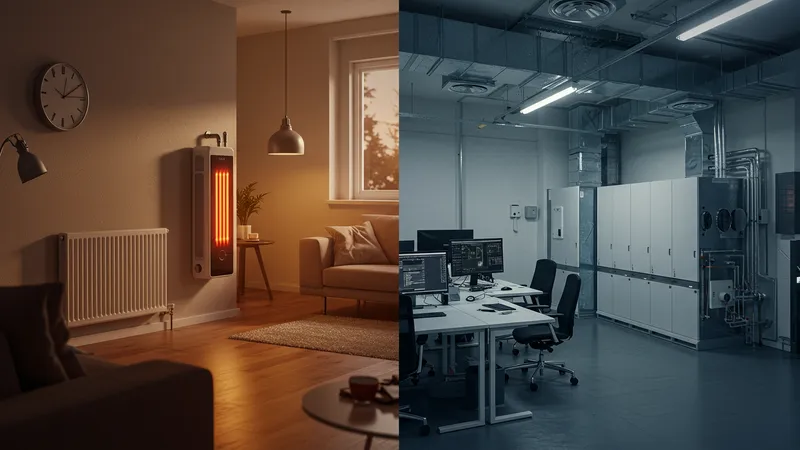
Forced-air furnaces remain a widely used solution due to their relatively quick heating response and the ability to integrate air filtration or humidification equipment. They often use ductwork to maintain uniform air distribution, which can be beneficial for larger areas. Newer systems may improve efficiency through advanced controls and variable-speed motors, potentially reducing overall energy use when sized and operated correctly.
Boiler-based heating systems are frequently found in older buildings and multi-unit properties. These systems rely on water as a heat transfer medium, and the resulting radiant warmth can create comfortable indoor conditions with minimal air movement. Modern boilers often offer increased energy efficiency through condensing designs and modular controls, making them suitable for properties where radiant heating is preferred.
Heat pumps are gaining prominence, especially in regions with moderate climates. Using electricity, heat pumps can extract heat energy from outside air or ground sources—even at cooler temperatures—and transfer it inside. This approach may offer energy savings compared to direct electric or oil-based systems, especially with advances in cold climate heat pump technology that allow for effective operation at lower outdoor temperatures.
The most suitable heating solution for any given application typically involves a careful assessment of energy sources, building needs, installation conditions, and long-term operational efficiency. Innovative designs and hybrid systems may further optimize performance, especially when leveraging building-wide controls or renewable energy technologies. The following pages examine system components, operational patterns, and energy considerations in more detail.
The next sections examine practical components and considerations in more detail.
Heating solutions can be distinguished by system type, such as central versus localized systems. Central systems, like forced-air furnaces or boilers, distribute heat throughout an entire building, whereas localized devices, such as space heaters, serve individual rooms or zones. The system type may depend on the property’s size, intended use, and occupancy patterns, as each approach carries unique performance and maintenance factors.
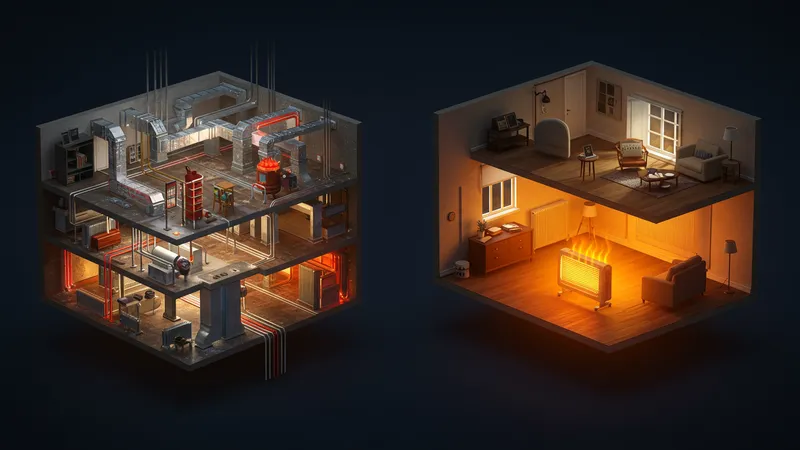
In residential contexts, central heating systems often provide more uniform temperature control and can be integrated with air conditioning or filtration technology. Localized solutions may be considered for small apartments or rooms that experience infrequent use. For commercial spaces, central systems are typically selected to allow for scalable management and ensure regulatory compliance across larger square footages.
Industrial and commercial settings may incorporate specialized heating systems like rooftop units, unit heaters, or even infrared heaters. These systems might be designed to address specific needs, such as rapid temperature changes in manufacturing environments or targeted heating in large, open warehouses. The choice of system in these cases usually considers cost effectiveness, maintenance accessibility, and temperature zoning capacity.
Recent years have seen increased attention toward multi-source and hybrid heating systems. These combine two or more heating technologies—like pairing a traditional furnace with a heat pump—to optimize energy usage during different weather conditions. Hybrid systems can switch between energy sources based on real-time operating costs or efficiency, which may benefit settings with variable temperature demands.
Heating systems operate using a variety of energy sources, each offering distinct operational profiles. Common sources include natural gas, electricity, heating oil, and, increasingly, renewable resources such as solar or geothermal energy. The selection often reflects local energy costs, availability of supply, building codes, and environmental regulations.
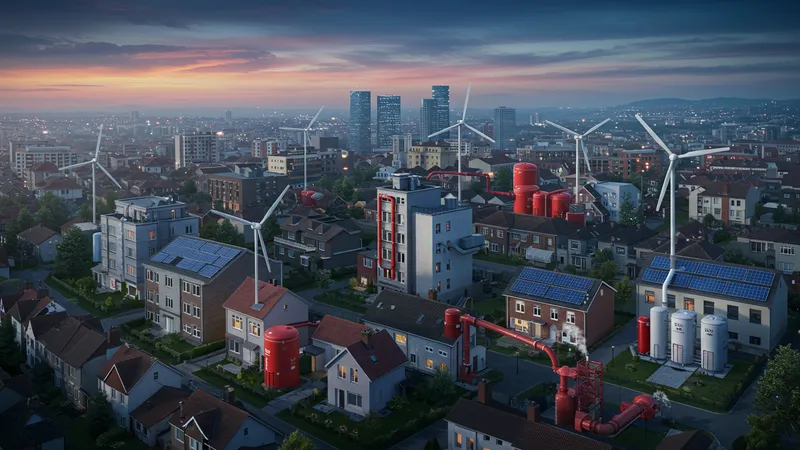
Natural gas remains widely used in both residential and commercial applications, particularly in regions with established supply infrastructure. Gas-fueled systems tend to provide rapid heating capability and are compatible with forced-air and many boiler solutions. However, fluctuating fuel prices and emissions concerns may influence long-term adoption or operational patterns.
Electric heating, including electric resistance systems and heat pumps, is common in areas with abundant electric infrastructure or limited access to other fuels. While electric systems can offer simplicity and easier installation, operational costs can vary with local electricity rates. Heat pump technologies, which are electrically driven but highly efficient, have gained popularity as utility grid energy mixes become more renewable.
Renewable energy options, such as solar thermal collectors or ground-source (geothermal) heat pumps, are increasingly present in new construction or retrofit projects prioritizing energy efficiency goals. These systems rely on sustainable energy sources and typically involve higher upfront investments, but may provide operational savings and emissions reductions over time. Their adoption is often linked with governmental incentives and energy policy trends.
Assessing the performance of a heating solution typically involves evaluating its energy efficiency, measured by metrics such as Annual Fuel Utilization Efficiency (AFUE) for furnaces or Seasonal Coefficient of Performance (COP) for heat pumps. These metrics indicate how effectively a system converts fuel or electricity into usable heat, with higher values suggesting more output per unit of energy input.
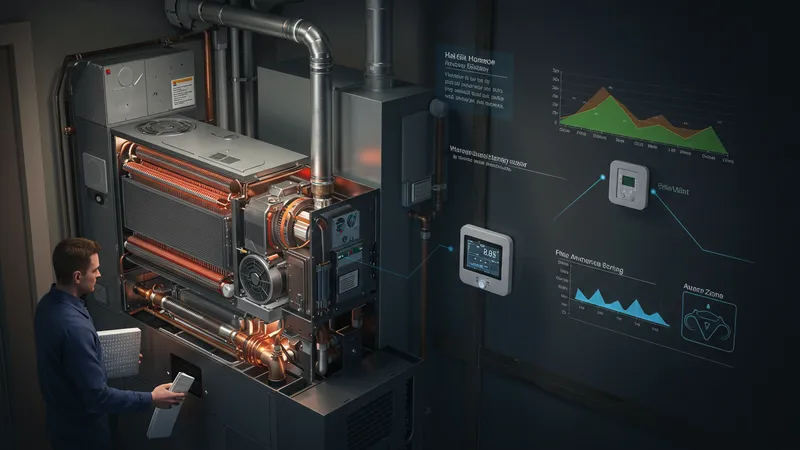
Advancements in heating technology have introduced features like variable-speed blower motors, advanced thermostats, and zoned heating controls. These innovations allow systems to better match output to real-time heating demands and may contribute to reduced operational costs. Routine maintenance, such as filter replacement or system tuning, also plays a critical role in preserving efficiency over the lifetime of a system.
For commercial properties, building automation systems can offer a centralized platform to monitor, schedule, and optimize heating operations. Data-driven adjustments, such as demand-based temperature setbacks or occupancy sensors, may result in further energy conservation without sacrificing occupant comfort. Performance monitoring can also help identify issues that may otherwise impact energy usage or system reliability.
Proper system sizing and installation practices remain fundamental to achieving desired performance benchmarks. Undersized or oversized systems can lead to suboptimal operation and increased energy consumption. Consultation with experienced professionals and adherence to relevant guidelines and standards support more consistent system performance over time.
The operational cost of a heating solution commonly reflects energy consumption, fuel type, local utility rates, and usage patterns. Forced-air furnace and boiler systems may have varying running costs according to fuel price fluctuations and system efficiency. Heat pumps, while often more efficient, may lead to different operational expenditures based on local electric rates and climate-related performance variations.
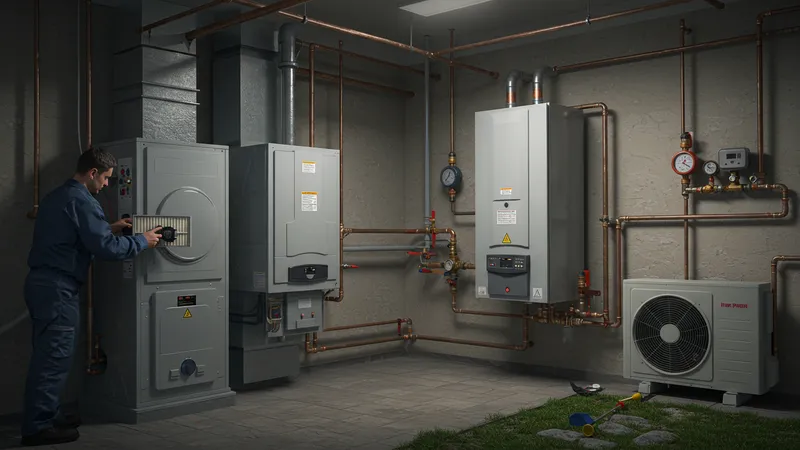
Maintenance requirements differ between system types. Furnaces typically need regular filter changes and system checks to maintain airflow and efficiency. Boilers may require periodic flushing and inspection to address mineral buildup and ensure safe operation. Heat pump systems frequently benefit from maintenance on exterior units and refrigerant checks to preserve transfer efficiency.
Lifespan estimates for heating systems can range widely, with many forced-air systems and boilers lasting 15 to 25 years under average operating conditions. Heat pumps may have similar operational expectations, particularly when installed and serviced according to manufacturer recommendations. Regular professional inspection can help identify issues early and prolong system longevity.
Retrofitting or upgrading older heating systems may present operational benefits, including higher energy efficiency and lower utility costs over time. Such investments are typically weighed against up-front installation expenses, availability of rebates or incentives, and the remaining useful life of existing equipment. Informed decision-making may involve reviewing current operational performance, typical energy expenditures, and potential for improved comfort or energy management.