
Information security refers to the combination of technologies, processes, and practices that organizations and individuals use to protect digital data from unauthorized access or modification. In the United States, organizations often employ multiple layers of protection to guard sensitive information, especially as regulations and threats evolve. Practices developed in this field focus on confidentiality, integrity, and availability of both stored and transmitted data. The use of technical, administrative, and physical controls for information security can range from encryption protocols to network management tools.
Securing information is essential in business, healthcare, government, and daily personal use in the United States. With the increasing reliance on digital technologies and remote work, safeguarding information against accidental exposure, data breaches, or cyberattacks has become a critical aspect of both operational compliance and public trust. Typical techniques are carefully selected based on the value of the data, the threat environment, and specific legal requirements that may apply to various sectors.

Encryption remains a foundational technique for securing information in the United States. By encoding data, organizations can ensure that even if information is accessed without permission, it remains unintelligible without the appropriate decryption keys. According to industry practices, financial institutions and healthcare providers in the United States often rely on strong encryption protocols to comply with relevant regulations such as HIPAA or GLBA.
Access control mechanisms provide a way to define who is authorized to view or alter specific sets of data. In the United States, the adoption of role-based and attribute-based access controls can help companies minimize the risk of insider threats and data leaks. These systems may be supported through multi-factor authentication, further enhancing the verification processes required for data access.
Network security forms a core component of organizational defense strategies. Firewalls filter traffic based on pre-established rules, which can prevent unauthorized intrusion or data exfiltration. In the United States, businesses and educational institutions commonly rely on network segmentation, intrusion prevention systems, and secure VPN connections to maintain privacy over public and private networks.
The combined use of encryption, access controls, and network security technologies offers a layered defense, which can enhance resilience against digital threats. In practice, US-based organizations may integrate these methods as part of a comprehensive security framework, aligning technical solutions with ongoing user education and policy development. The next sections examine practical components and considerations in more detail.
Encryption converts readable data into a coded format so that unauthorized individuals cannot access its original content. In the United States, organizations frequently use symmetric encryption (such as AES) due to its speed and effectiveness for encrypting large volumes of data. Asymmetric encryption, like RSA, is applied where secure exchanges of encryption keys are needed, particularly in internet communications and secure emails.
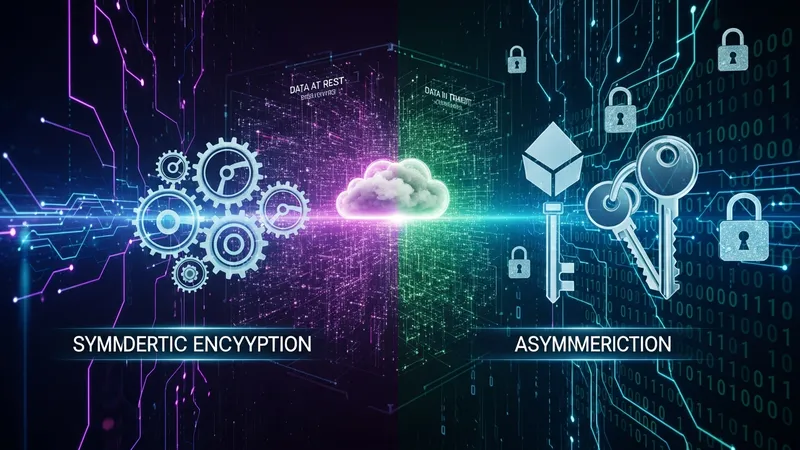
Organizations in regulated sectors, such as finance and healthcare, often apply encryption to both data at rest and data in transit. “Data at rest” refers to information stored on hard drives, databases, or cloud storage solutions, while “data in transit” covers content sent between devices or across networks. US law, including certain state privacy regulations, may require encryption in specific contexts to protect personally identifiable information.
Open-source tools (e.g., OpenSSL and VeraCrypt) are widely adopted in the United States due to their transparency and broad community support. Commercial solutions may offer additional usability or compliance features, but selection typically depends on the level of support needed, integration possibilities, and cost considerations. Careful key management is critical to maintaining encryption effectiveness and preserving data accessibility.
Encryption alone does not prevent data loss or unauthorized access if cryptographic keys or passwords are compromised. Organizations in the United States typically implement strict procedures for key storage, rotation, and recovery, recognizing that these measures are integral to a secure encryption strategy. Users may also encounter encryption in daily life through encrypted messaging platforms and secure websites (https).
Access controls are systematic processes that restrict information access to approved individuals or systems. In the United States, organizations may employ role-based access control (RBAC), where permissions are assigned based on job function, or attribute-based approaches tied to user characteristics and situational factors. Policies are designed with “least privilege” principles in mind, meaning individuals receive only the minimum access necessary to perform their duties.

Modern identity management solutions in the US, such as those provided by Okta and Microsoft Azure Active Directory, facilitate centralized oversight of user permissions across cloud and on-premises environments. Multi-factor authentication (MFA) is increasingly required by government and industry guidelines, adding further validation steps through verification codes, biometrics, or security tokens.
Access controls may extend to physical barriers and device management, ensuring that both digital and physical endpoints are adequately secured. Educational organizations, for example, have adopted systems to authenticate student and faculty access to campus resources, while businesses often audit access permissions for sensitive applications and data repositories on a recurring basis.
Regulatory standards, including the Federal Information Security Management Act (FISMA) and Health Insurance Portability and Accountability Act (HIPAA), provide frameworks for establishing and maintaining access control systems. These frameworks typically outline requirements for user identification, continuous monitoring, and incident response to minimize the potential impact of unauthorized access in the United States.
Network security involves monitoring, controlling, and protecting data flows within and beyond an organization’s digital infrastructure. In the United States, firewalls are foundational tools that screen inbound and outbound traffic according to rule sets aligned with organizational policies. Solutions like Fortinet Firewalls are designed to support both perimeter defenses and internal network segmentation, creating isolation between sensitive data assets and general network resources.
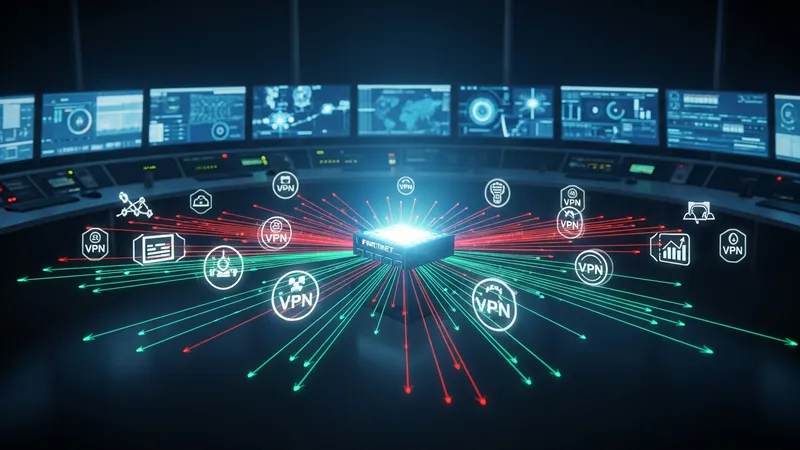
Virtual Private Networks (VPNs) are commonly deployed in the United States to secure remote access for employees or students, especially over public networks. By encrypting transmitted data and masking IP addresses, VPNs help limit exposure to external threats and eavesdropping. GlobalProtect and other enterprise-grade VPNs offer centralized management of secure connections and user authentication for distributed workforces.
Additional network security methods often used in the US include intrusion prevention systems, network monitoring tools, and automated incident response platforms. These technologies can detect irregular traffic patterns, known malware signatures, or attempted intrusions. When integrated with firewalls and VPNs, such approaches contribute to real-time threat detection and mitigation.
The network security landscape in the United States continues to evolve in response to new vulnerabilities and the increasing complexity of hybrid cloud architectures. Organizations may participate in threat intelligence sharing, adhere to the National Institute of Standards and Technology (NIST) Cybersecurity Framework, or invest in ongoing personnel training to keep pace with developments in network security strategies.
Combining encryption, access controls, and network security tools creates a multi-layered defense strategy, commonly practiced in various sectors of the United States. This layered approach, often referred to as “defense in depth,” aims to address different attack vectors and reduce the likelihood of successful data breaches. Each method adds a unique safeguard, creating overlapping protections for digital assets.

Within US organizations, integration typically includes regular risk assessments, policy reviews, and coordination between technical and administrative teams. By evaluating the effectiveness of deployed measures, entities may adjust security controls to address emerging threats, changes in regulatory requirements, or shifts in organizational structure. Documentation and logging of security events support ongoing improvements and incident response preparedness.
Challenges in the United States relate to balancing security with usability, ensuring that strong protections do not inhibit legitimate workflow or user productivity. Compatibility between systems, costs associated with scaling security tools, and the need for skilled personnel are frequent considerations during implementation. Organizations often prioritize user education to strengthen the efficacy of all technical controls.
Looking forward, advancements in information security within the United States may center on automation, artificial intelligence, and zero-trust models. While these trends have the potential to enhance threat detection and response, foundational practices such as encryption, access controls, and robust network security will likely remain central to protecting sensitive data in diverse environments.