
Modular data centers refer to prefabricated, containerized systems that house servers, storage, and networking equipment. These self-contained units are assembled offsite and delivered for rapid deployment wherever additional IT infrastructure is required. With a compact design, modular data centers are engineered to support facilities that need scalable computing resources and can be installed as complete, standalone units or integrated into existing structures.
Operational advantages of modular data centers typically include adaptability and simplified expansion. The modular approach supports flexible configurations to match evolving workload needs, offering robust environmental controls, security features, and energy management. The underlying concept is to provide a controlled environment that can be tailored to specific requirements without the complexity or time typically associated with traditional data center construction.
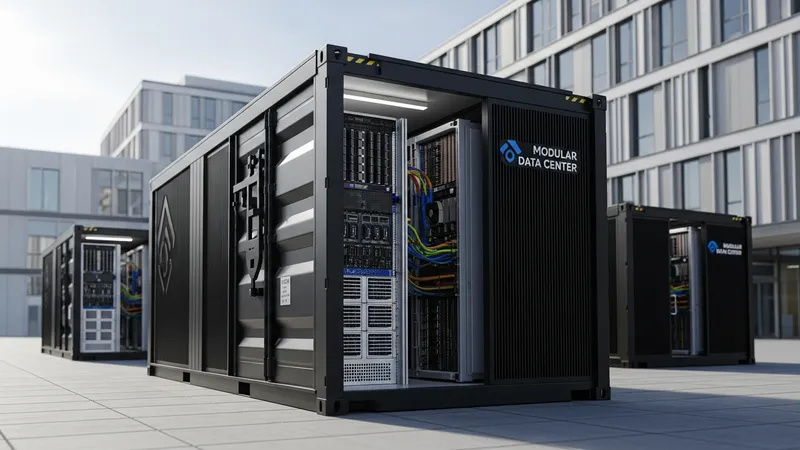
Modular data centers commonly leverage standardized building blocks to ensure rapid assembly and deployment. Each unit may contain power and cooling modules suited to its capacity, often enabling organizations to scale up infrastructure by adding additional modules as demand increases. The use of prefabrication reduces the need for complex on-site construction, which can be particularly beneficial in locations where space or accessibility is limited.
Compared to traditional data centers, modular systems may offer advantages in planning certainty, as their prefabricated components are typically tested prior to delivery. This design reduces uncertainties related to environmental control, power distribution, and physical security, as each module is configured with these features integrated. The plug-and-play nature can facilitate IT system upgrades or geographic expansion according to operational needs.
Energy efficiency is another area where modular data centers can provide measurable value. Most designs incorporate optimized airflow, high-efficiency cooling systems, and advanced monitoring. By dynamically adjusting power and cooling based on real-time requirements, these data centers can help organizations manage energy usage and environmental impact more effectively than some legacy infrastructure models.
Security and reliability also play significant roles in the design of modular solutions. Physical access controls, fire suppression, and remote monitoring are typically built into the modules. Scalability is often achieved without downtimes, as additional modules are connected with minimal disruption to existing operations. These considerations support sustained performance and flexible adaptation to future IT trends.
In summary, modular data centers use standardized, prefabricated designs to address a broad range of IT requirements. Their operational advantages stem from adaptability, energy efficiency, and simplified expansion pathways. The next sections examine practical components and considerations in more detail.
Modular data centers are constructed using modular steel or aluminum frames designed for durability and portability. These frames are typically insulated to maintain internal climate conditions, and preconfigured with mounting systems for IT racks and related equipment. Their construction enables units to be transported by standard logistical methods, allowing placement in urban, suburban, or remote locations without extensive building requirements.
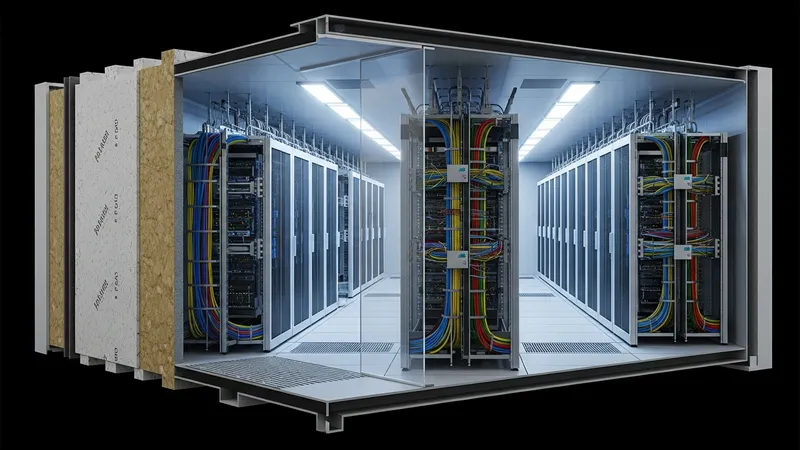
Interior layouts of modular data centers generally prioritize airflow control and equipment accessibility. Many designs adopt hot-aisle/cold-aisle containment to optimize cooling, reducing energy consumption and helping maintain consistent temperatures across all racks. Cable management and system distribution are preplanned for ease of maintenance, enabling technical teams to manage updates without disrupting core operations.
Prefabrication ensures that each component is assembled and tested offsite before installation. This approach can reduce the margin for error during deployment, as modules are delivered with integrated power and cooling systems. Organizations often find that pre-engineered layouts provide a reliable platform for meeting uptime and operational continuity needs, especially in rapidly changing environments.
Materials used in modular data centers are selected to support longevity and environmental controls. Wall and roof panels typically include reinforced sealants and fire-rated layers, while floors are structured to support heavy IT loads. These physical features work in combination to protect sensitive equipment from dust, moisture, and temperature fluctuations, contributing to the reliability of the entire unit.
One of the defining features of modular data centers is their ability to scale capacity as needed. Facilities using modular designs can often add new modules without significant downtime, aligning infrastructure investment with actual workload growth. This is achieved through standardized electrical and mechanical interfaces, allowing modules to connect easily with existing systems.
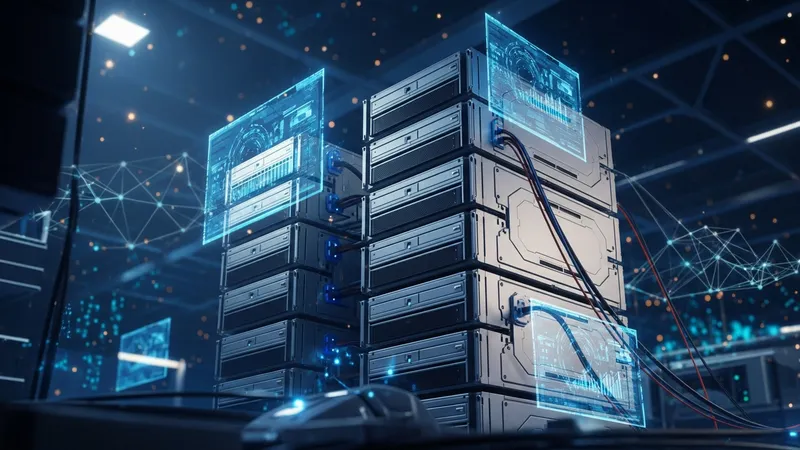
Modular units can be deployed as stand-alone systems or as extensions of traditional data centers. Organizations may start with a single module and increase capacity incrementally, a process that can help manage capital expenditure more effectively. The flexibility within these units enables reconfiguration to support changing hardware or application requirements, which is valuable in environments with evolving IT needs.
Integration with legacy infrastructure is often facilitated through pre-engineered connection points for power, cooling, and network systems. These interfaces simplify the process of linking modular components to established data center environments, extending the life of existing resources while introducing contemporary efficiencies and controls.
Adaptability of modular data centers also includes geographic mobility. If organizational needs shift, some modular units can be relocated to a new site, supporting business continuity and disaster recovery planning. This reusability aspect distinguishes modular data centers from conventional fixed-site facilities, offering an additional layer of operational flexibility.
Environmental management is central to the operational advantages of modular data centers. Precision cooling systems are commonly integrated to regulate temperature and humidity, helping IT equipment maintain optimal performance. Many modern designs employ variable-speed fans, advanced airflow modeling, and high-efficiency chillers to adapt cooling output based on real-time heat loads.
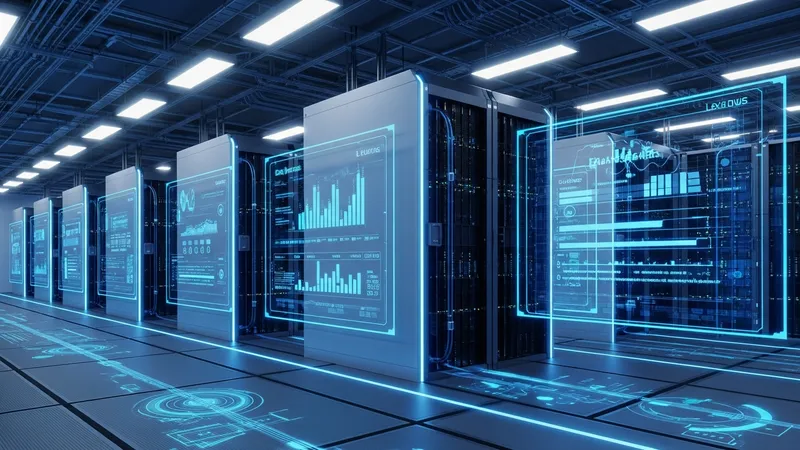
Energy monitoring tools are frequently bundled with modular data centers, allowing organizations to track consumption across individual modules. Automated systems may adjust lighting, power distribution, and cooling intensity according to workload patterns. These controls can help promote energy conservation and align operational costs with actual usage.
Efforts to enhance energy efficiency extend to equipment placement and airflow pathways. Hot-aisle containment and direct liquid cooling are among the methods used to minimize power losses. By targeting cooling only where necessary, these features can avoid over-provisioning and support the use of renewable power sources as part of overall sustainability strategies.
Centralized management dashboards often accompany these modular solutions, giving administrators rapid visibility into environmental metrics. This oversight is useful in identifying inefficiencies and making informed adjustments. As organizations increasingly focus on environmental stewardship, modular data centers may play a role in supporting these goals with their integrated efficiency measures.
Security in modular data centers combines physical and digital controls. Access points are limited and usually equipped with electronic locking systems, surveillance cameras, and biometric verification. These measures support the prevention of unauthorized entry and allow for detailed monitoring of movement within the units, protecting sensitive information and hardware.
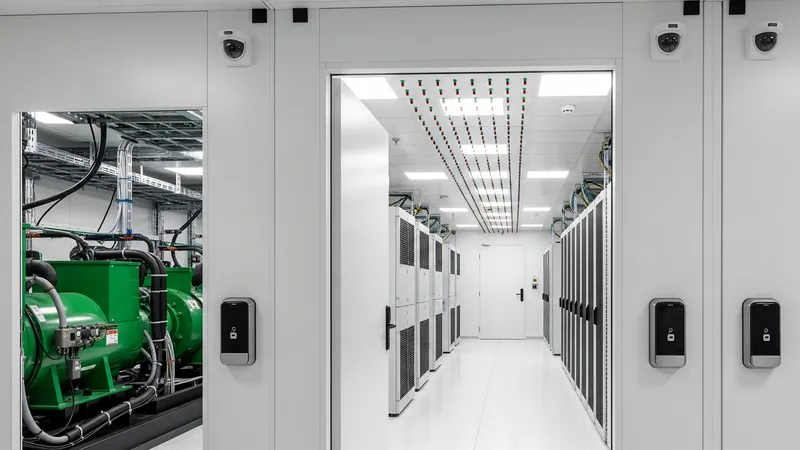
Reliability is promoted through redundancy features built into both power and cooling systems. Backup generators and batteries are often included, providing continued operation during primary power interruptions. Pre-integrated fire detection and suppression systems are standard, designed to mitigate damage and quickly respond to emerging threats, further reducing risk to equipment and operations.
Operational monitoring in modular data centers utilizes networked sensors and management software for real-time oversight. Administrators can access performance data remotely, enabling rapid response to system alerts. This level of monitoring allows for timely identification of performance bottlenecks and assists with maintenance planning, reducing unplanned downtime.
Compliance with industry standards for security and uptime can be supported by modular designs that incorporate pre-certified components and documented installation practices. Many solutions are developed to align with recognized frameworks, such as those from the Uptime Institute. This attention to regulatory and operational compliance is increasingly relevant in sectors requiring stringent data protection and service continuity.