
Carbon emission reduction refers to a collection of deliberate actions aimed at decreasing the level of greenhouse gases, particularly carbon dioxide (CO₂), that are released into the Earth's atmosphere. This practice typically addresses both direct sources—such as fuel combustion in transportation and industry—and indirect sources, like electricity consumption. Strategies used to achieve lower carbon outputs are diverse and may involve technology, changes in consumption patterns, and procedural reforms across various sectors.
Efforts toward reducing carbon emissions often focus on substituting fossil fuel energy with alternatives that emit little or no carbon, optimizing energy efficiency, and implementing supportive policy frameworks. These initiatives can be driven by governments, businesses, or individuals, and are generally underpinned by international agreements and guidelines that emphasize environmental preservation and long-term resource sustainability.

Renewable energy adoption may result in a significant reduction of carbon emissions over time, as power generation transitions away from traditional coal or natural gas. Wind and solar initiatives are often cited as impactful due to their scalability and declining implementation costs. Hydroelectric power, where geographically viable, often serves as a large-scale source of low-carbon electricity, although considerations regarding land and water use are important to assess.
Energy efficiency improvements typically complement renewable energy use, as lowering the total energy required can amplify the positive effects of carbon-free generation. Upgrades in insulation, lighting, and industrial processes may not only decrease emissions directly but also extend the useful life of existing infrastructure, thereby avoiding additional resource extraction and emissions tied to new construction.
Policy-driven approaches, including carbon taxes and cap-and-trade programs, may provide measurable incentives for reducing carbon output at the organizational and national levels. These frameworks work by assigning an explicit cost to emitting atmospheric carbon dioxide, which in turn can motivate investment in cleaner technologies and behaviors.
While the effectiveness of each method can vary depending on implementation context and technological readiness, combining these strategies is generally viewed as a comprehensive pathway toward sustained carbon emission reduction. Ongoing innovation, collaborative governance, and adaptability to local conditions are often required for success.
In summary, the process of reducing carbon emissions is multi-faceted and includes renewable energy, enhancing efficiency, and supportive policies. The next sections examine practical components and considerations in more detail.
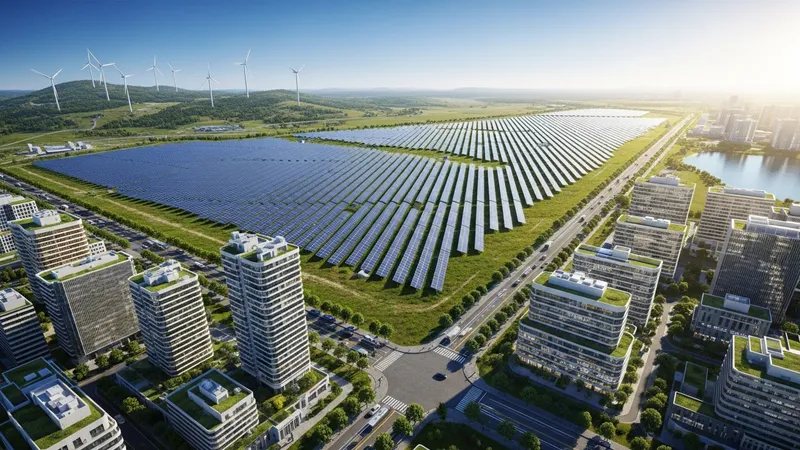
Renewable energy systems are typically regarded as a foundational element of carbon emissions reduction. Their implementation can occur through utility-scale projects or decentralized installations. The capacity for wind, solar, and hydropower to produce electricity without direct carbon emissions has positioned these technologies as central contributors to a lower-carbon energy portfolio in many regions.
Improving energy efficiency often targets sectors with persistently high energy consumption, such as buildings, manufacturing, and transportation. The adoption of high-performance insulation materials, LED lighting, and smart controls typically leads to measurable reductions in energy use. Replacing outdated machinery with modern alternatives may also further reduce emissions on an enterprise scale.
Policy-driven carbon management uses different mechanisms to internalize the cost of emissions. For instance, emissions trading systems set a cap on total emissions, allowing businesses to trade permits based on their efficiency, while carbon taxes assign a consistent cost to each ton of CO₂ released. Both approaches can foster changes in organizational behavior and market structure over time.
Current research often explores integrated solutions that combine these streams—for example, retrofitting existing structures with both renewables and energy-efficient features, supported by incentives tied to policy frameworks. Such integrated approaches are generally seen as a way to maximize the impact of carbon reduction strategies while optimizing for cost and practicality.
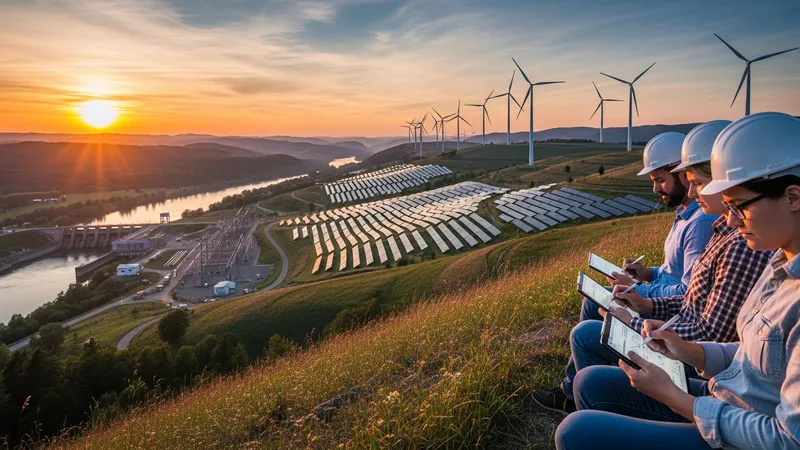
Investing in renewable energy frequently involves detailed feasibility studies, site assessments, and technology selection. Wind and solar projects typically require considerations for local climate, grid integration, and long-term maintenance. Hydroelectric projects, where applicable, must also account for ecological and social impacts, including water use and habitat alteration.
Energy efficiency programs may roll out in stages, often starting with energy audits to identify areas of improvement. This process is usually followed by phased upgrades, with performance measured against established benchmarks. Advances in data analytics and automation are increasingly used to monitor and optimize these systems in real time.
Policy frameworks for reducing carbon emissions are defined by legislative or regulatory processes. Some regions may begin with pilot programs, gradually expanding scope and increasing carbon prices or emission reduction targets over time. Transparent reporting and third-party verification are often crucial components, ensuring that emissions are accurately tracked and that reductions are verifiable.
International agreements such as the Paris Agreement establish common targets and reporting standards, which individual countries often interpret through locally specific rules and incentives. While national policies set the overall direction, local governments and private sector entities frequently adapt their strategies to address unique economic and environmental circumstances.
The effectiveness of carbon emissions reduction methods may depend heavily on regional factors such as natural resource availability, economic priorities, and technological infrastructure. For example, areas with abundant sunshine or wind may find renewable energy deployment more practical, whereas other locations may focus on enhancing efficiency and grid management.
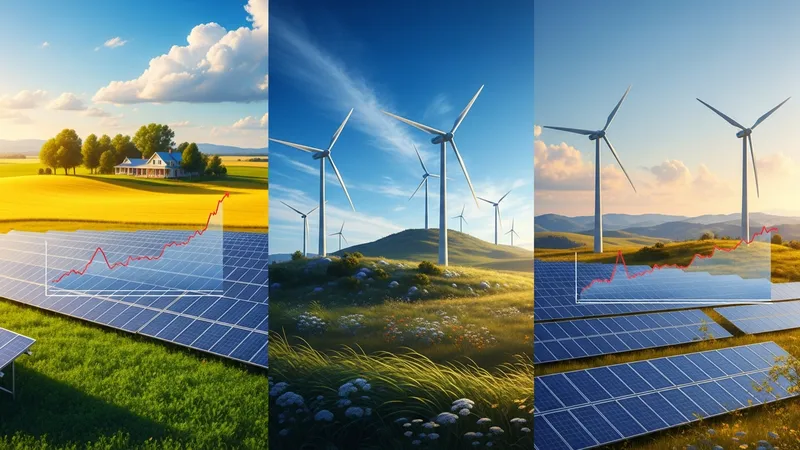
Economic considerations typically include upfront investment requirements, payback periods, and the total cost of ownership for new technologies. While some solutions may offer competitive lifecycle costs, initial capital investment can be a barrier without supportive financing or incentive programs.
Social acceptance and behavioral change are often cited as critical components of emission reduction strategies. Public awareness campaigns, transparent communication about project impacts, and engagement with stakeholders may improve adoption rates for new technologies and policies.
Technological innovation plays an ongoing role in addressing operational challenges. Advances in energy storage, digital grid control, and modular renewable systems may enhance the reliability and flexibility of low-carbon energy systems. However, these innovations require ongoing research and collaboration between private developers, public agencies, and academic institutions.
Over time, sustained application of carbon emissions reduction strategies may contribute to measurable improvements in air quality and ecosystem stability. As regions adapt their energy profiles to incorporate more renewables and higher efficiency standards, a corresponding decrease in conventional emissions is often observed. These trends are usually documented in annual national or regional emissions inventories.

Policy evolution remains a significant driver of future emission reductions, as governments periodically revise goals and the mechanisms used to reach them. Commitment to monitoring and transparent disclosure helps ensure that policies adapt to scientific findings and changing economic realities. Aligning carbon strategies with broader sustainability goals is becoming increasingly common.
Industrial sectors are exploring new ways to decarbonize their operations, from adopting low-impact manufacturing methods to using alternative materials and fuels. Collaboration within value chains, coupled with digital monitoring and automation, may facilitate the efficient tracking of emissions and continuous improvement in reduction performance.
Looking ahead, the integration of carbon emissions reduction efforts with broader climate adaptation and resilience planning could support long-term sustainability. By maintaining a flexible approach and considering technological advances, regions may be able to refine their strategies and maximize the effectiveness of their emissions reduction initiatives over time.