
Understanding mortgage types involves examining the various loan options available for financing residential property. These options differ in terms, interest rate structures, repayment features, and the risks or benefits they may present to borrowers. Selecting an appropriate type requires a careful assessment of individual preferences, financial circumstances, and objectives in the United Kingdom.
Mortgage choices typically fall into categories defined by how interest is charged and whether repayments remain consistent or change over time. Some options offer predictable monthly payments, while others can result in fluctuating costs depending on market rates. Knowledge of these distinctions helps individuals evaluate which arrangement aligns with their priorities.
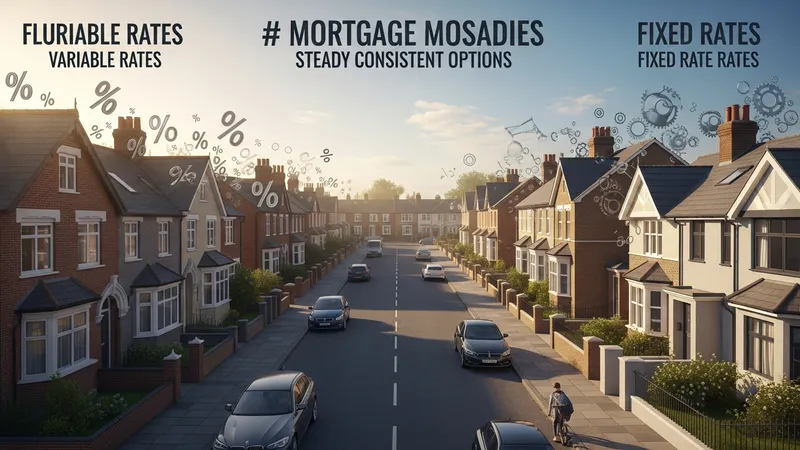
Fixed-rate mortgages are among the more common choices in the UK, characterised by stable repayments over a defined term. The certainty provided may appeal to those seeking to avoid changes in payment due to interest rate shifts, though these products can come with early repayment charges if borrowers wish to leave before the end of the fixed term.
Variable rate mortgages, including both SVR and tracker mortgages, generally reflect changes in broader interest rates. These arrangements may initially offer lower interest rates compared to fixed-rate options, but they involve the possibility of increasing payments if market rates rise.
Discount mortgages and offset mortgages introduce distinct financial features. Discount mortgages provide a temporary reduction on the lender’s variable rate, which typically results in a lower initial cost but uncertain future payments. Offset mortgages, meanwhile, utilise the borrower’s own savings to reduce the amount of interest payable, which may lead to potential savings for those with significant cash reserves.
Each mortgage type is subject to lender criteria and market availability. Features such as arrangement fees, flexible payment options, and potential penalties for overpayments or early redemption can differ widely. Borrowers are encouraged to review official resources and consider the risk factors associated with each type.
In summary, familiarity with fixed-rate, variable, discount, and offset mortgage structures allows for more informed choices within the UK context. The next sections examine practical components and considerations in more detail.
Fixed-rate mortgages in the United Kingdom are designed to provide stable interest rates for a specified period, usually ranging from two to ten years. During the fixed period, borrowers may benefit from knowing their monthly repayments will remain unchanged regardless of external market fluctuations. This predictability is often viewed as beneficial by those wishing to manage household budgets with a degree of certainty.

It is typical for fixed-rate products to include arrangement fees, which can vary considerably between lenders. According to MoneyHelper, arrangement fees may range from £0 up to £2,000 or more, depending on the product and provider. Some lenders may allow borrowers to add these fees to the mortgage balance, although this can result in paying interest on the fee amount for the term of the loan.
At the end of the fixed period, mortgages usually revert to the lender’s SVR unless the borrower secures a new product. The SVR can differ widely between lenders and is subject to change at any time. Payments can increase or decrease sharply upon this transition, making it essential for borrowers to track when their fixed period concludes and understand their options in advance.
Early repayment charges (ERCs) are a common feature within fixed-rate arrangements. Borrowers repaying part or all of the loan before the fixed period ends may incur a penalty, typically calculated as a percentage of the outstanding balance. The presence of ERCs requires careful consideration, particularly for those who anticipate moving or refinancing within the fixed term.
Variable rate mortgages, including Standard Variable Rate (SVR) and tracker options, are prevalent in the UK and are characterised by fluctuating interest rates during the repayment period. The SVR is determined by the mortgage lender and can change at their discretion, often moving in relation to economic conditions or wider changes in the Bank of England’s base rate.

Tracker mortgages explicitly follow the Bank of England base rate, plus a predetermined margin. For example, a tracker may be advertised as “Bank Rate + 1%.” When the base rate changes, the mortgage interest rate and corresponding repayments are adjusted accordingly. This linkage provides transparency but also exposes borrowers to regular payment changes, both increases and potential reductions.
SVR mortgages generally come into effect when borrowers finish an initial deal, such as a fixed or discounted arrangement. The SVR tends not to offer the lowest available rate, and because changes in rate are at the lender’s discretion, monthly payments can be unpredictable. There is usually no early repayment charge with SVR products, providing more flexibility for switching or redeeming the mortgage.
Potential advantages of tracker or SVR mortgages may include initial cost savings if the base rate or SVR remains lower than fixed rates available at that time. However, there is a risk that repayments could increase if the Bank of England raises rates or if the lender chooses to adjust the SVR. This variability necessitates ongoing monitoring of economic indicators and lender communications by borrowers.
Discount mortgages offer borrowers a reduction from the lender’s SVR for a limited introduction period, such as two or three years. After this period, the rate reverts to the SVR, and repayments can rise. These products could come with lower initial payments, but predictability is limited due to the discretionary nature of SVR changes during and after the discount period.

Arrangement fees may apply for discount mortgages, and it is usual for early repayment charges to be part of the agreement during the discounted term. In addition, some discount mortgages impose limits on the amount borrowers can overpay or restrict mortgage portability if moving home during the discount period.
Offset mortgages are another distinct category, linking a borrower’s savings and sometimes current accounts to the mortgage balance. The savings are not used to repay the mortgage directly but are offset daily, reducing interest charged on the loan. For example, with a £150,000 mortgage and £20,000 in an offset savings account, interest would only be charged on £130,000.
Offset arrangements can provide interest savings for those who hold higher savings balances, but these products may carry higher interest rates compared to standard mortgage options. Flexibility regarding overpayments and withdrawals is often a feature, though borrowers should review individual product terms and assess whether they are likely to benefit based on their typical savings balances.
When considering mortgage types in the United Kingdom, borrowers often evaluate features such as interest rate structure, repayment predictability, and flexibility for overpayments or early redemption. Each mortgage type introduces specific terms that may suit differing financial situations and goals, and eligibility criteria are set by individual lenders.

Official statistics from the Financial Conduct Authority indicate that fixed-rate mortgages have consistently accounted for the majority of new mortgage lending in recent years, reflecting a general preference for stability among buyers. However, interest rate cycles can make variable or tracker arrangements more attractive at certain points, depending on economic outlooks and personal appetite for risk.
Banks and building societies may periodically introduce new products or adjust terms on existing ones to respond to regulatory developments or market conditions. Applicants are typically assessed based on income, credit history, loan-to-value ratios, and other affordability tests, as set out under the UK’s mortgage regulation framework.
Prospective borrowers can consult neutral information sources such as the MoneyHelper and the Financial Conduct Authority for the latest updates and factual comparisons. Understanding the practical implications of each mortgage type helps ensure that choices align with both immediate needs and longer-term financial resilience.