
Tax optimization strategies refer to systematic methods by which individuals and organizations manage their financial activities to align with legal tax requirements while minimizing potential liabilities. In Germany, these approaches often center on understanding the country’s progressive tax system, allowable deductions, benefits from specific credits, and staying compliant with statutory obligations. Rather than a one-size-fits-all solution, these strategies involve careful planning, attention to evolving regulations, and consideration of personal or corporate circumstances.
Key elements of tax optimization within Germany typically include analyzing available tax allowances, structuring business or investment activities efficiently, and making informed choices about timing and categorization of income or expenses. Stakeholders may utilize these frameworks not to evade taxes, but to ensure their affairs are organized in a manner that is both compliant and economically reasonable.

When evaluating tax optimization strategies, many residents in Germany examine the implications of contributing to various pension schemes. Both mandatory and additional voluntary contributions to statutory or private pensions can potentially reduce taxable income, subject to annual maximums under current tax law. These options are widely referenced and form a core part of many personal financial plans, particularly among employees and self-employed professionals.
Another commonly used approach involves maximizing allowable deductions for income-related expenses (Werbungskosten). While most employees benefit from an automatic flat-rate, those with significant job-related costs frequently document additional expenses to claim a higher deduction. This could include costs for travel to work, professional equipment, or even work-from-home arrangements, each governed by specific statutory conditions in Germany.
The deduction of special expenses (Sonderausgaben) also plays a significant role in tax optimization. Broadly defined, these cover certain insurance contributions, charitable donations, and qualifying education expenses, each with its individual limitations. Taxpayers usually aggregate these eligible expenditures annually, and their treatment is subject to both legal definitions and reporting requirements.
Employing such strategies typically involves reviewing not only legal frameworks but also practical guidance from official sources and regulatory agencies. While no approach guarantees a particular tax outcome, ongoing changes in German tax law mean that staying informed is crucial for both individuals and organizations seeking to manage their obligations efficiently.
In summary, tax optimization strategies in Germany encompass a variety of legitimate, law-abiding techniques that may help manage financial responsibilities. The following sections examine practical components and considerations in more detail.
The structure of tax optimization strategies in Germany is influenced by several factors, notably the specifics of the personal or organizational situation. Individuals and companies often begin by reviewing relevant sections of German tax law and guidance from local tax authorities to ensure that all deductions and credits are interpreted correctly. This step helps align financial planning practices with current regulations.

Pension contributions represent a central consideration. Voluntary and mandatory contributions to the statutory “Deutsche Rentenversicherung” or to certified private pension products are often included as part of a structured plan. These contributions may reduce taxable income if they are within legal thresholds, which can change annually depending on broader fiscal policy.
Income-related expenses or Werbungskosten can also influence the outcomes of tax filings. Teachers, tradespeople, and other professionals sometimes incur expenses above the standard flat-rate deduction, prompting detailed record keeping and submission of receipts as required by the German tax office (“Finanzamt”). Accepted documentation often includes proof of transportation costs, professional fees, and specialized equipment purchases.
The special expenses deduction (Sonderausgaben) covers a variety of entry points for optimization, including certain insurance premiums, charitable contributions to registered German associations, and expenses for further education. The eligibility and ceiling for each category typically depend on the individual’s status and income level, requiring careful interpretation of current fiscal year rules and documentation.
Proper reporting and documentation play a significant role in successful application of tax optimization strategies in Germany. Taxpayers are generally expected to maintain accurate and thorough records for all claimed deductions and credits. The German tax authority (Finanzamt) may require supporting documentation for expenses such as travel costs, educational investments, and pension contributions during routine reviews or audits.
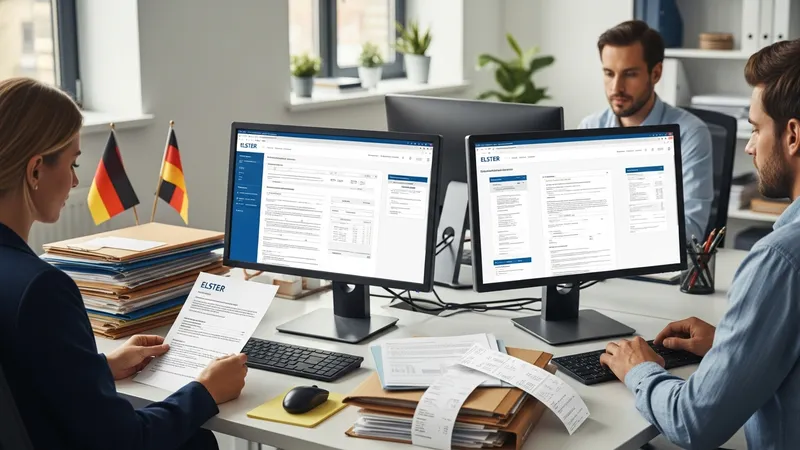
Electronic platforms like ELSTER (ELSTER) have become the standard method for submitting tax returns and documentation in Germany. These digital systems are designed to streamline data input and help individuals comply with evolving tax law requirements. Users often find detailed guidance on the website concerning the entry of standard and itemized deduction categories.
There are specific compliance rules that limit how, when, and to what extent certain expenditures qualify as deductions. For example, only expenses directly related to income generation or that meet clearly defined “special expense” criteria are generally deductible. The use of official forms and detailed itemization is typically necessary to validate each claimed amount.
For individuals and businesses unsure about the correct application of specific allowances or deductions, consultation with professional tax advisors or reliance on information from official resources is common in Germany. This emphasis on accuracy and compliance reflects the broader importance of transparency in the German tax system and may help prevent costly penalties or inaccuracies in future filings.
Tax optimization strategies in Germany are governed by a set of legal frameworks designed to distinguish between lawful planning and evasion. The German Income Tax Act (“Einkommensteuergesetz”) and associated regulations provide detailed definitions of what qualifies as a valid deduction, allowance, or credit. Amendments to these regulations can occur each fiscal year, often adjusting thresholds or clarifying reporting standards.
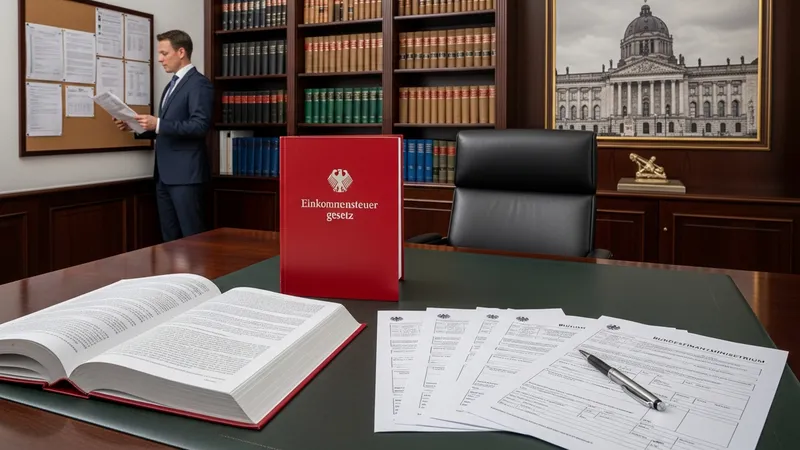
The Bundesfinanzministerium (Federal Ministry of Finance) regularly issues updates and bulletins for taxpayers, outlining permissible categories of deductible expenses and publishing official forms. Following these publications is a recommended practice for those seeking to remain compliant with current law. German courts also provide precedent-setting judgments that may influence interpretations in ambiguous cases.
Audits and reviews are part of routine enforcement. The tax authority has the right to request additional documentation, examine the intent behind certain claims, or issue clarifications concerning the application of deducible categories. These checks underscore the importance of accurate and transparent record keeping in any tax optimization effort.
Cross-border considerations have become increasingly relevant as more individuals and businesses transact internationally. Germany participates in information-sharing agreements with other jurisdictions as part of anti-avoidance and transparency initiatives, which directly influence the design and application of tax strategies within the country.
Recent years have seen changes in the German tax environment that affect optimization strategies. Adjustments to standard deduction amounts, increases in flat-rate allowances for employees, and shifts in pension contribution caps are among the commonly noted legislative updates. Monitoring such changes is particularly important for taxpayers seeking to align their planning with up-to-date requirements.

Digitalization has influenced the way tax data is recorded, submitted, and reviewed. Electronic tools such as ELSTER facilitate the preparation and delivery of tax returns, allowing individuals and organizations to more efficiently aggregate and transfer required information. This shift has also enabled quicker responses to inquiries from the Finanzamt and may reduce administrative burdens in data management.
There is ongoing discussion about broadening the eligibility of certain deductions, especially in relation to home-office expenses, charitable contributions, and education costs. Legislative or regulatory reforms in these areas may result in altered deduction procedures, new maximum limits, or additional reporting responsibilities for German tax filers.
Proactive review of German tax bulletins, legislative updates from the Bundesfinanzministerium, and neutral expert commentary may support a better understanding of tax optimization opportunities within safe legal boundaries. As these trends evolve, remaining informed and maintaining careful records will remain fundamental to efficient and compliant financial management in Germany.