
Advancements in connected technology have led to an increased focus on home safety solutions tailored to seniors. These solutions aim to address everyday security and safety needs by incorporating intuitive monitoring and emergency tools. The primary goal is to enable seniors to maintain independence with an added layer of reassurance for themselves and their families. For many in Australia, selecting and implementing these systems requires careful consideration of device types, installation environments, and service models.
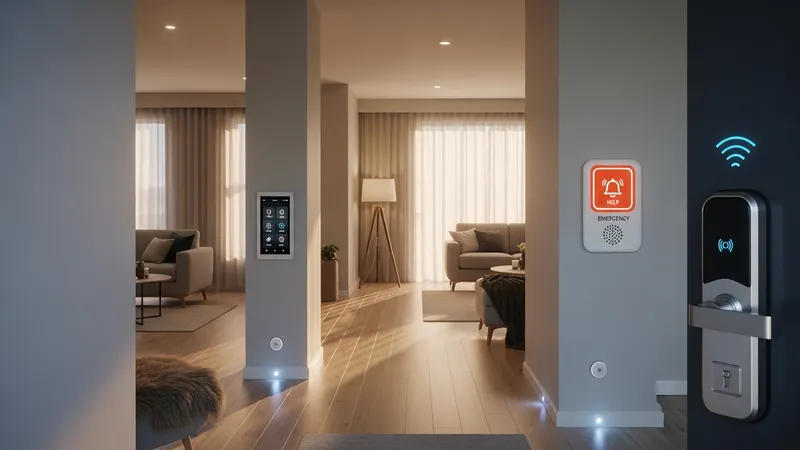
Smart home safety for seniors encompasses technologies that help oversee entry points, movement, and immediate support in the event of unforeseen incidents. By integrating such tools, households may benefit from enhanced monitoring capabilities and the potential for faster response in emergency situations. In Australia, available products and services are typically informed by local standards, user needs, and household structure.
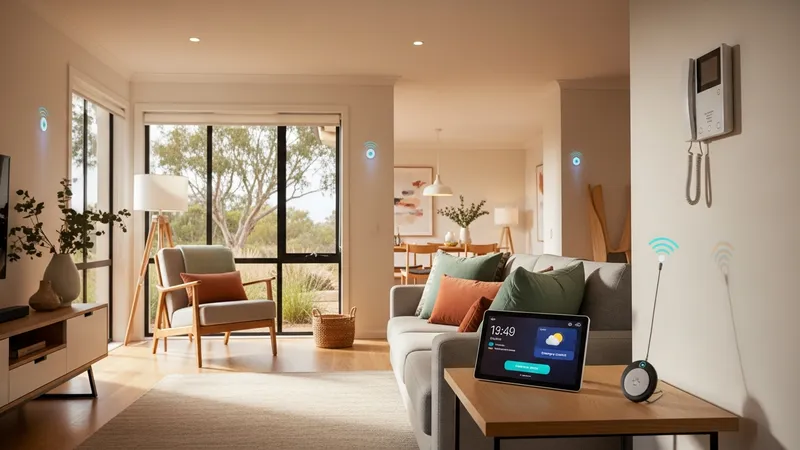
Integrating these solutions can improve the capacity for early detection of unusual patterns or emergencies. Motion sensors are widely used in entryways, hallways, and living spaces to monitor daily activity. Depending on configuration, they may provide alerts for various scenarios, including prolonged inactivity. This allows for the possibility of timely welfare checks if patterns change unexpectedly.
Smart locks provide additional access oversight, particularly for households where carers, health professionals, or relatives may need entry without physical keys. They also support functions like one-time entry codes, reducing reliance on spare keys that can be misplaced. In some Australian locations, such technology is being adopted for multi-residential settings to streamline access while maintaining oversight and privacy.
Emergency alert devices are commonly worn as pendants or wristbands, enabling seniors to request help with a button press. These tools frequently use mobile or landline connectivity. Some services also offer fall detection and automatic alerts, which may be especially relevant for individuals living alone. In Australia, monitoring centres are typically required to comply with sector-specific response protocols.
When exploring solutions, factors such as upfront device costs, professional installation, ongoing monitoring, and compatibility with existing home infrastructure are important considerations. Price ranges can differ significantly based on the chosen brand, features, and installation complexity. It is advisable to consult authoritative sources and consider potential future needs, such as support for additional devices or service upgrades.
These technological options reflect evolving approaches in supporting independent living for seniors across Australia. Adopting a tailored smart home safety solution may contribute to an environment where proactive support is integrated into daily life. The next sections examine practical components and considerations in more detail.
Motion sensors play a significant role in home safety by offering continuous, non-intrusive monitoring. In senior households, they may be positioned in high-traffic areas, such as hallways or main living spaces, to detect regular movement. Their sensitivity can often be adjusted to account for pets or frequent visitors, which helps reduce the chance of false alerts. Australian products typically comply with local electrical and privacy regulations and often integrate with broader home automation systems.
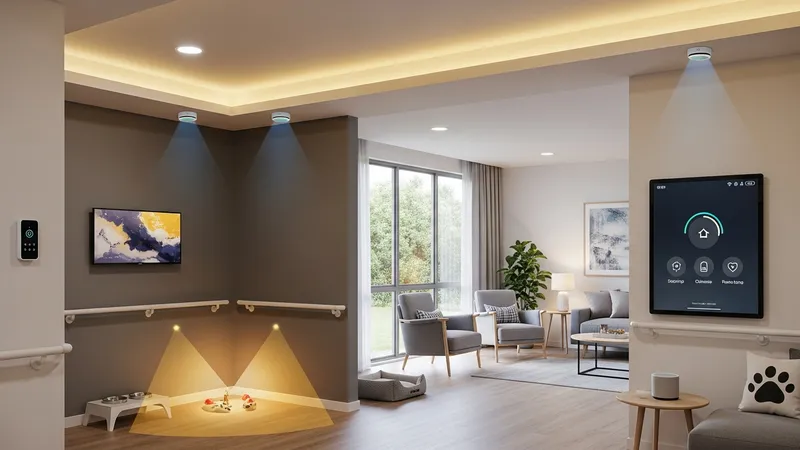
Integration with smart home platforms allows motion sensors to activate lighting or alert caregivers if unexpected movements occur after certain hours. This can assist with both fall prevention and response to potential security incidents. Some devices available in Australia are compatible with voice assistants or mobile apps, enabling households to review activity logs or set custom notification preferences in line with personal routines.
Battery life and connectivity are practical considerations when selecting motion sensors. Most battery-powered models in Australia may operate for several months before needing replacement. Mains-powered devices, while requiring professional installation, can offer continuous performance without regular maintenance. Households should also consider their Wi-Fi or network coverage to ensure reliable sensor communication with associated apps or service providers.
Cost-effectiveness and ongoing reliability influence the choice between standalone and integrated systems. Some Australian seniors prefer basic sensor-only options for specific rooms, while others may opt for a solution that forms part of a comprehensive security platform. As technology evolves, updates in sensor firmware and interoperability are increasingly available, supporting long-term adaptability in household safety strategies.
Smart locks offer a digital alternative to traditional key-based systems, allowing access to be managed through codes, cards, or smartphones. For seniors, this can reduce the risk of keys being lost or duplicated without consent. Many smart locks in Australia also support temporary access codes that can be issued to visitors or caregivers, making short-term access straightforward to monitor and revoke.
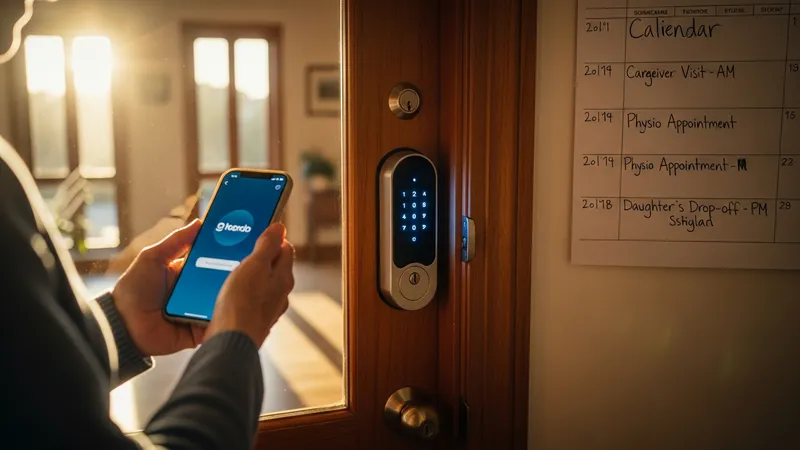
Some smart locks used in Australian homes include features like activity logs, which enable users to review who has entered or exited the property. Such features may aid in tracking home visits from professional support workers, family, or emergency responders. This data, when securely managed, can set expectations for routine access without replacing traditional safety checks or personal oversight.
Durability and compliance with Australian standards for door hardware are essential. When choosing a smart lock, factors like battery backup, physical robustness, and emergency override mechanisms warrant consideration. Some models are designed to withstand local weather conditions or power outages, helping to maintain secure entry even during unexpected events.
Installation may be completed by professional locksmiths or through provider services often offered by Australian retailers. Costs can vary based on door type, with additional charges for advanced connectivity features such as Bluetooth or Wi-Fi modules. As with any digital security solution, regular updates and secure management of digital credentials are advised to maintain the intended level of protection.
Emergency alert systems are practical companion tools for seniors living in Australia. These systems generally provide rapid communication with nominated contacts or emergency services if a critical event occurs. Devices are frequently designed for ease of use, often as wearable pendants or wristbands with a single button for activation. Wireless connectivity options include landline, cellular, or hybrid solutions that cater to different environments and user circumstances.
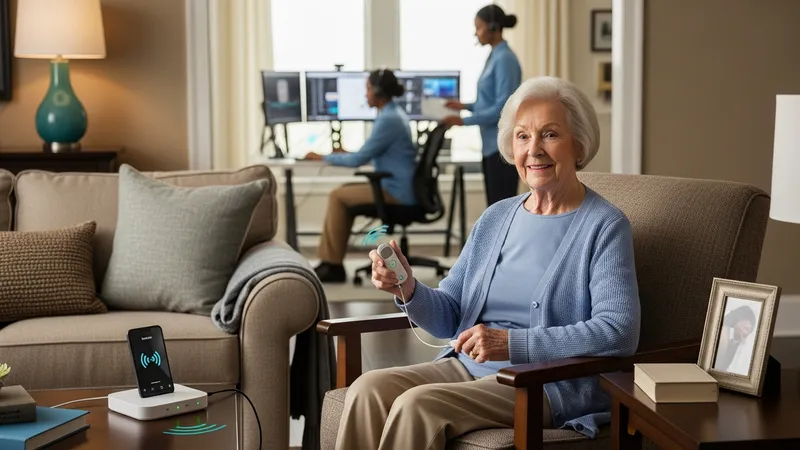
Monitoring and response services in Australia are often staffed around the clock, offering personalised assessment and escalation if an alert is triggered. Some systems may automatically detect falls using accelerometer technology and initiate a call if movement ceases, which can supplement manual activation. These features are typically supported by service agreements that outline response protocols and data privacy compliance.
Deciding between self-monitored and professionally monitored alerts is based on budget, household preferences, and the level of oversight desired. Self-monitored devices generally send notifications directly to family or carers, while professional monitoring connects to call centres for further support. Monthly costs and equipment fees can differ, with current Australian examples ranging from AUD $20 to $40 for monitoring, in addition to initial hardware investments.
Integration with smart home platforms can enhance emergency alert systems by providing additional context, such as recent motion sensor activity or door access logs. Many Australian services offer compatibility with popular home automation products and guarantee support aligned with national communication standards. Changing personal needs, such as mobility or health factors, may influence when system upgrades or service changes are necessary.
Costs associated with implementing smart home safety solutions for seniors in Australia are influenced by a range of factors. Device prices often depend on brand, functionality, and whether equipment is sold standalone or as part of a broader system. For example, motion sensors may start from approximately AUD $30, while smart locks and emergency alert systems typically require more significant upfront investments due to hardware complexity.
Additional expenses may arise from professional installation, particularly for smart locks and mains-powered sensors that require compatibility checks with existing home infrastructure. Installation fees are variable, but many Australian suppliers offer both DIY and assisted options. Ongoing service fees, such as monitoring for emergency alert systems, can also impact yearly household budgets and should be considered during planning.
Some seniors may qualify for subsidies or support through government or community programs. It is recommended to consult official Australian sources, such as My Aged Care, to assess eligibility for potential rebates, equipment support, or additional services. This can help offset some costs, especially in cases where technology is essential for independent living or safety maintenance.
Product reliability, support availability, and user-friendliness are important considerations beyond upfront or recurring costs. Australian consumers are encouraged to reference local standards and reviews from neutral platforms when evaluating devices. This can support informed decision-making that aligns with personal safety needs, technology preferences, and future plans for home adaptation.