
Orthophosphate water treatments involve the deliberate addition of phosphate-based compounds to managed water systems to influence chemical interactions affecting pipe surfaces and infrastructure. This approach is primarily used to control the formation of mineral scales and corrosion by creating protective layers within water distribution systems. The process relies on the chemical properties of orthophosphates, which may interact with metals and minerals present in water to stabilize these surfaces and reduce the release of certain elements into the water supply.
In technical terms, orthophosphates are a subclass of phosphates that consist of a phosphorus atom surrounded by four oxygen atoms. When introduced into water systems, these compounds can help reduce corrosion of piping made from materials such as iron, copper, and lead. This stabilization is typically achieved through carefully monitored dosing, and the selection of dosing method depends on system demands, water chemistry, and regulatory considerations. Orthophosphate dosing does not remove existing contaminants; instead, it seeks to influence ongoing reactions and create more predictable water chemistry over time.

Orthophosphate water treatments can play a role in protecting public water infrastructure by forming barriers inside pipes that may reduce the mobility of certain metals, such as lead and copper. The protective effects, however, depend heavily on sustained dosing and water chemistry monitoring, as incomplete or inconsistent application could compromise intended outcomes. Inspection and adjustment are frequent components of responsible orthophosphate treatment management.
Compared to physical pipe upgrades, orthophosphate treatments offer a chemical-based method that does not require extensive construction or replacement activities. This can be particularly useful in aging water distribution networks, where direct access for pipe replacement may be limited or costly. Nonetheless, treatment programs must consider potential secondary impacts, such as changes in water quality parameters and the potential for increased phosphate concentrations in delivered water.
Orthophosphate additions are not universally appropriate. System operators may evaluate local water chemistry and infrastructure age to determine if this method aligns with system protection objectives. Regulatory frameworks in many jurisdictions specify allowable phosphate concentrations and reporting obligations, emphasizing the need for compliance and transparency in water treatment practice.
The performance of orthophosphate-based treatments often depends on factors such as pH, temperature, and the presence of competing ions in the water. Regular water quality testing and treatment adjustment are needed to ensure targeted effects, emphasizing the importance of operational oversight in achieving desired system protection outcomes.
In summary, orthophosphate water treatments involve the strategic addition of phosphate compounds to water systems in order to modulate corrosion and support long-term infrastructure management. The next sections examine practical components and considerations in more detail.
Various techniques are employed to introduce orthophosphates into water systems, each offering distinct management and control strategies. The use of metering pumps for solution dosing provides precise, continuous control over the amount of orthophosphate delivered to the system. Automated technology may be calibrated to match real-time system demands, which can help maintain more stable chemical conditions throughout the network. This method is frequently utilized in larger municipal supplies seeking to optimize treatment efficiency.
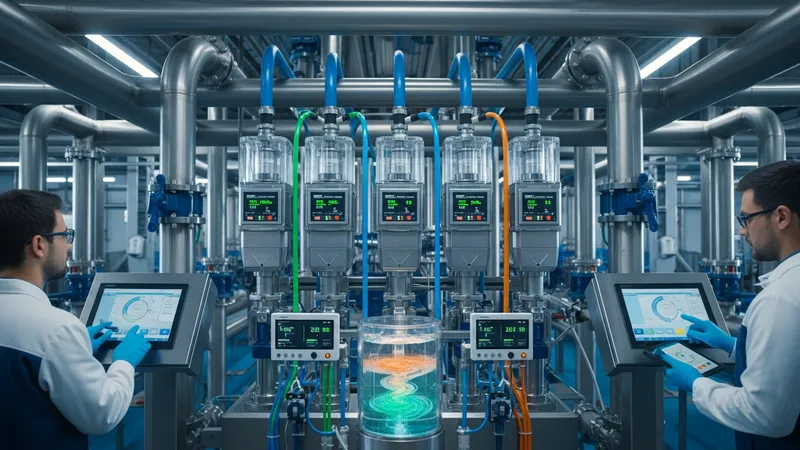
Blended phosphate addition involves the combination of orthophosphates with polyphosphates in a single formulation. Such blends may offer specific benefits depending on pipeline materials and system condition by addressing both corrosion and scale formation. Water treatment professionals typically select the ratio of components based on analysis of water chemistry and operational goals, with blends adjusted over time as monitoring data dictate changes in corrosion or scaling risk profiles.
Batch dosing, as opposed to continuous feed, introduces orthophosphate at set intervals, determined by operational schedules or periodic water quality monitoring. This method may be appropriate in smaller-scale applications or systems with predictable water quality conditions, but it can result in greater variability in orthophosphate concentrations over time. Routine sampling is often necessary to assure that dosing aligns with system requirements and regulatory standards.
Method selection for orthophosphate addition is generally informed by system size, resource availability, operator expertise, and regulatory requirements. Decision-makers may weigh the expected consistency, cost, and practicality of each application technique against the specific needs and monitoring practices established for a given water system. The choice of method can influence the long-term effectiveness and operational oversight required for successful treatment outcomes.
Underlying the use of orthophosphate treatments is a set of well-characterized chemical reactions that occur at metal/water interfaces within pipes. When orthophosphates are present in distribution systems, they may react with metal ions released from pipe surfaces, potentially forming insoluble phosphate compounds. These compounds can deposit as thin, adherent films, which can help inhibit further corrosion by creating a physical and chemical barrier losing the metal surface from direct contact with the water.
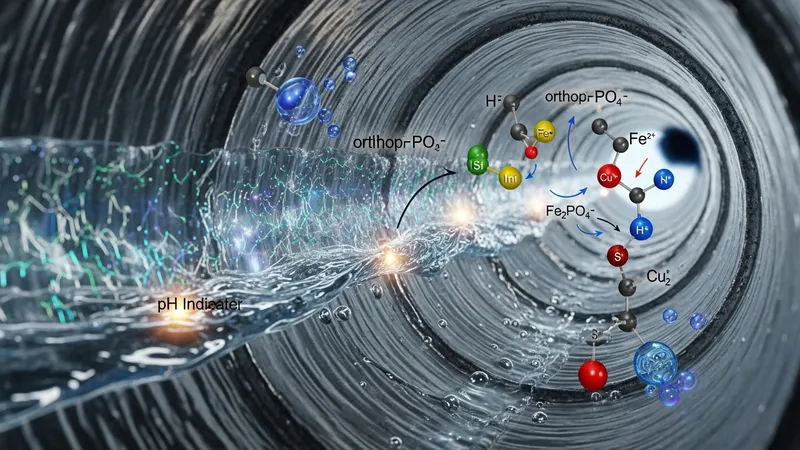
The effectiveness of orthophosphate in reducing metal leaching can depend on several water chemistry parameters. Critical factors include pH, which may govern how reactive phosphate species behave, as well as alkalinity, dissolved oxygen content, and temperature. In many systems, regular testing is conducted to track these variables and to ensure conditions remain within ranges conducive to film formation and stability over time.
Orthophosphate dosing can interact with other ions in the water, such as calcium, magnesium, and iron. In some water chemistries, these interactions may lead to additional scale formation, which could either help or hinder system objectives depending on desired protection levels and aesthetic or operational concerns. Adjustments in dosing and formulation may be required when significant changes in bulk water quality or operational parameters are observed.
Understanding these chemical processes and their dynamic nature allows water treatment professionals to refine their orthophosphate management strategies over time. Knowledge of water chemistry and regular analysis support the development of responsive dosing programs, which are key for managing complex or changing distribution networks with diverse piping materials and water sources.
Orthophosphate water treatments are often subject to regulatory oversight intended to protect public health and ensure system effectiveness. Regulatory agencies may set upper limits on phosphate concentrations in distributed water, specify monitoring frequencies, and require reporting of dosing practices and water quality outcomes. Such measures are designed to balance the protective benefits of corrosion control with concerns about unintended effects, such as aquatic ecosystem impacts or excess phosphate loading in receiving waters.

In practice, utility operators may conduct regular sampling for parameters such as phosphate concentration, lead and copper levels, pH, and indicators of biological or chemical stability. Data from these samples can be used to demonstrate regulatory compliance and guide adjustments to orthophosphate addition as needed. Public reporting of monitoring results may be mandated, supporting transparency and accountability in treatment operations.
Implementation of orthophosphate treatment programs frequently involves coordination across multiple teams, including water quality laboratories, engineering divisions, and regulatory compliance personnel. Training and documentation practices are integrated into operating procedures to support accurate dosing, consistent monitoring, and timely response to observed changes in water quality performance. External audits or inspections by regulatory authorities may occur at designated intervals.
Monitoring technologies and reporting platforms used for orthophosphate treatment tracking can range from manual paper records to advanced, real-time digital systems. The choice of approach is often determined by utility size, available resources, and local or national regulatory requirements. In all cases, emphasis is placed on data integrity and timely corrective action where deviations from established thresholds are detected.
Operational challenges with orthophosphate treatments may include maintaining dosing consistency, managing interactions with other water treatment chemicals, and responding to seasonal or source water changes. Equipment calibration, supply chain management for chemical stocks, and operator training are fundamental components of reliable orthophosphate treatment operations. Variability in source water chemistry can necessitate rapid adjustments to dosing protocols to maintain optimal system protection.
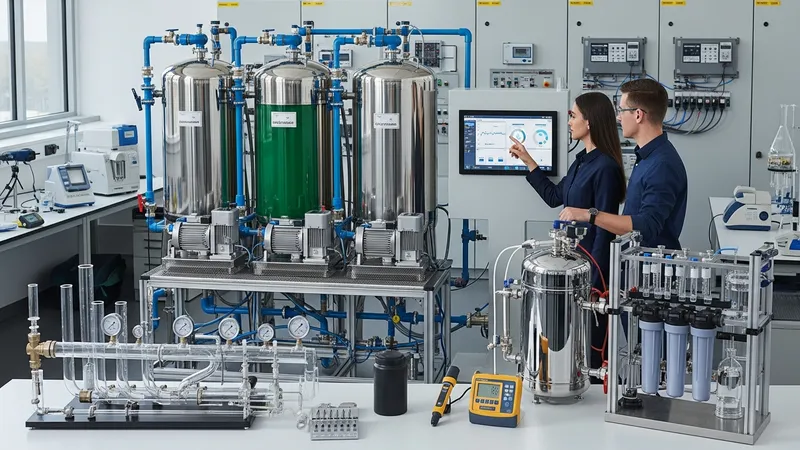
Research and industry practice continue to refine understanding of how orthophosphates perform under varying hydrodynamic and environmental conditions. Emerging questions often focus on potential environmental impacts from phosphorus discharge and on optimizing treatment protocols for contemporary water distribution systems with increasingly complex infrastructure and diverse water sources. Ongoing evaluation and pilot studies support adaptation to new challenges and technologies.
The future of orthophosphate water treatments may include broader integration with digital monitoring and automation platforms, enabling more precise dosing and quicker responses to changing water quality data. Developments in materials science and corrosion engineering could inform updated guidelines on treatment practices, drawing on advanced analytics and historical performance records for predictive management.
Overall, orthophosphate water treatment represents a mature but evolving method for corrosion control in managed water systems. Continued public health priorities, regulatory standards, and technological advancements will likely shape how utilities around the world apply these strategies, emphasizing the importance of flexible, informed operational approaches in achieving stable and reliable water supplies.