
Villa prices in Dubai are determined by a combination of tangible and intangible factors, reflecting the city’s evolving real estate landscape. Understanding how these variables interact can help clarify why values may differ so widely across various neighbourhoods and property types. Influencing elements commonly include the property’s location, the amenities available within the community, the size and configuration of the villa, ongoing market trends, and the standard of construction and finishing.
Each of these components may play a significant role in shaping the final asking or market value of Dubai villas. For example, communities with extensive recreational facilities or proximity to essential services may command higher valuations. Similarly, larger plots or custom architectural features can contribute to a villa's market standing. These aspects often influence both initial costs and the property’s long-term investment appeal.
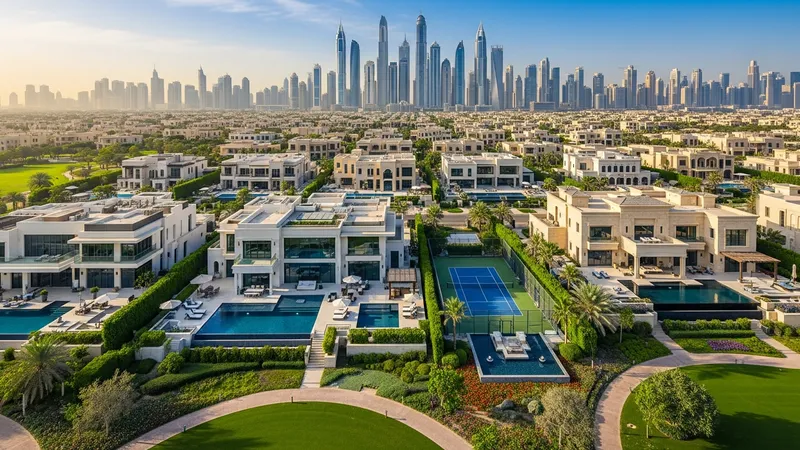
Market dynamics in Dubai can cause periodic changes in villa values, with demand from both residents and international investors frequently affecting pricing patterns. Off-plan developments may be priced differently than completed projects, factoring in anticipated growth or amenity delivery timelines. It is typical for villas in established districts to maintain higher price resilience during market fluctuations compared to emerging localities.
Community reputations can often influence perceptions of value among buyers, with neighbourhood safety records, maintenance standards, and access to international schools being important for residents. Villa communities known for organized landscaping, recreational options, and a stable homeowners association may register increased average pricing. These considerations are commonly reflected in market reports published by Dubai real estate authorities and property agencies.
The build quality and finishing standards of a villa also typically impact pricing. Materials used, energy efficiency measures, and design features such as smart home technologies can add incremental value. Projects delivered by recognized developers with a reputation for reliability might see more consistent appreciation over time, though this is subject to wider market performance.
Transaction and ownership costs are another layer influencing long-term value. Factors such as service charges, community fees, and ongoing maintenance requirements should be considered alongside the initial purchase price. In general, properties with lower running costs may appeal to a wider potential buyer audience and demonstrate more stable occupancy.
In summary, villa pricing in Dubai is multi-faceted, involving interlinked components from location and size to amenities and broader market factors. The next sections examine practical components and considerations in more detail.
Location is a significant determinant of villa pricing and value in Dubai. Properties situated in proximity to business districts, waterfronts, or iconic landmarks often register higher prices. The accessibility of major transport links, retail centers, and entertainment venues can also play a central role in driving perceived and actual value. For instance, communities based near Sheikh Zayed Road or Downtown Dubai tend to be more sought after due to convenience and infrastructure advantages.
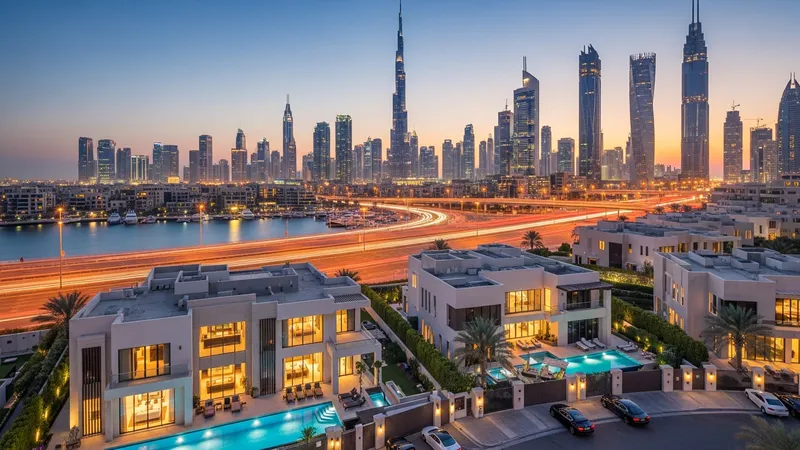
Neighbourhood safety, the presence of international schools, and access to healthcare facilities typically enhance desirability for families, influencing price brackets in those areas. Communities viewed as secure and well-maintained may appeal to buyers seeking long-term residency options. Areas that consistently invest in public spaces and road quality often see a positive effect on villa values over time.
Areas like Palm Jumeirah and Emirates Hills are widely referenced for premium villas, largely owing to waterfront access, privacy, and high standards of landscaping. Similarly, locations deemed up-and-coming — such as areas under recent redevelopment — may offer value differentials, with pricing subject to future infrastructure completion. These location-specific elements can also influence the pace of value appreciation or depreciation during market cycles.
While central neighbourhoods may hold higher entry costs, peripheral communities can offer greater plot sizes or distinct styles, sometimes appealing to buyers prioritizing space or alternative lifestyles. Villa prices in such areas may be more sensitive to changes in transportation planning or commercial expansion, which often shapes future value projections.
The amenities provided within a villa community in Dubai can directly impact both initial pricing and ongoing value retention. Features commonly attracting higher price points include shared pools, security services, fitness centers, landscaped parks, and recreational facilities. Larger developments with retail options or dedicated community centers may draw consistent interest from buyers seeking convenience and lifestyle benefits.
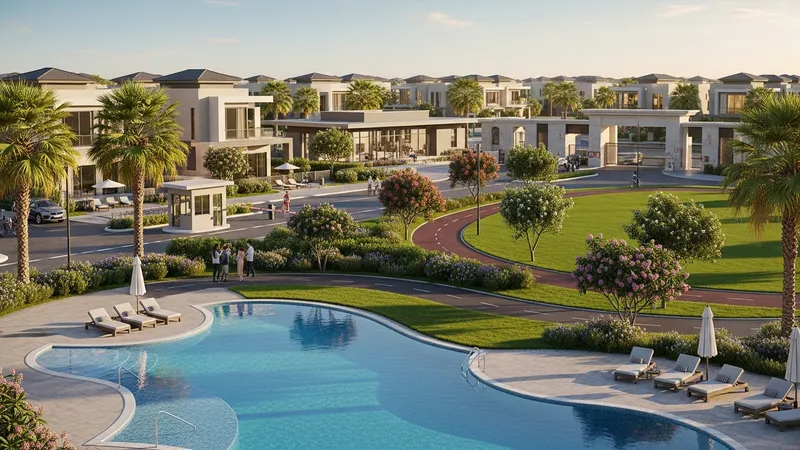
Gated communities such as Arabian Ranches or Jumeirah Golf Estates often highlight integrated facilities including playgrounds, cycling tracks, and social clubhouses. These elements not only enhance resident wellbeing but also typically support property values, as reflected in periodic real estate market summary reports. Proximity to amenities is particularly important in villa segments oriented towards families or those seeking domestically focused lifestyles.
Maintenance of shared amenities is another variable, as well-managed facilities can contribute to market stability and buyer confidence. Communities with regularly updated infrastructure, energy-efficient lighting, or occupancy-driven landscaping may see incremental gains in appeal and potentially in value. However, amenity-related service charges and annual fees must be factored by prospective buyers when assessing overall value.
In some markets, villas attached to signature amenities such as golf courses or marinas have demonstrated resilience during slower transaction periods, though this is subject to wider market demand. Developments offering flexible community spaces or technology-enabled services may also experience demand from new resident segments, leading to shifts in pricing patterns aligned with these preferences.
Property size remains a fundamental driver for villa pricing in Dubai. Villas with larger built-up areas, additional floors, or more bedrooms often command higher values. Furthermore, plot size plays a notable role, with larger land parcels enhancing privacy and outdoor utility, features many buyers have shown interest in according to recent market feedback.
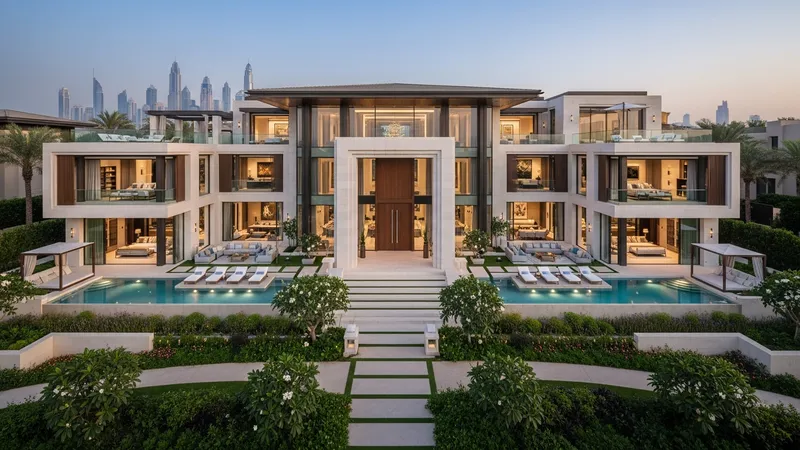
The architectural design of a villa, including elements such as ceiling height, natural lighting, and the integration of indoor-outdoor spaces, can also impact pricing. Modern layouts, open plans, and the use of high-quality materials typically influence value ranges within comparable neighbourhoods. Bespoke or custom-designed villas may enter different valuation brackets compared to standardized homes, due to uniqueness and tailored specifications.
Construction quality, including structural durability and finishing standards, contributes to both present value and future appreciation potential. Features like energy-efficient systems, advanced HVAC solutions, or home automation technologies have become more frequent factors in buyer considerations. Listings that emphasize eco-friendly or technologically advanced features may distinguish themselves in active markets.
However, premium build quality and design variability are often reflected in service and maintenance costs. Buyers assessing value often balance initial property features with projected long-term investments in upkeep. Local construction regulations and developer reputations may further affect perceptions of quality and durability, influencing resale and rental values over extended periods.
Ongoing market demand is a dynamic influence on villa pricing in Dubai. Shifts in population demographics, shifts in lifestyle preferences, or changes in foreign investment protocols can create patterns of increased activity in certain segments or districts. For example, surges in demand from expatriate groups or overseas buyers may cause periodic upward price adjustments in select communities.
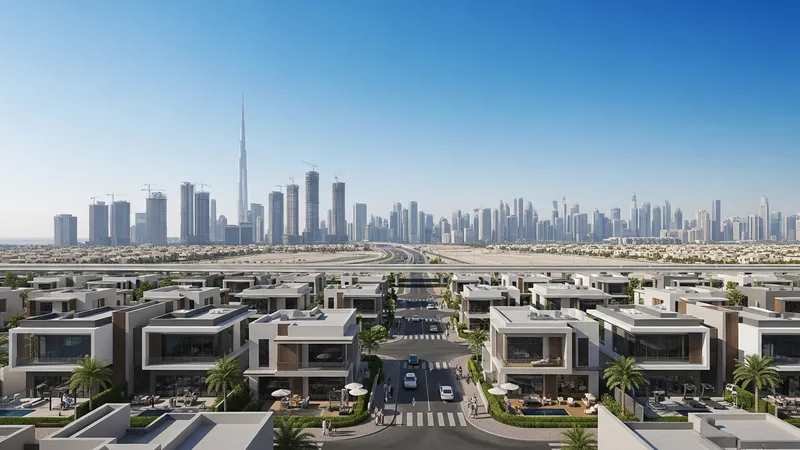
Development trends such as new infrastructure projects, transport links, or retail expansions frequently affect villa values. Properties located in or near planned commercial zones or new business districts may rise in price in anticipation of increased convenience and economic activity. Historical data from the Dubai Land Department suggests that infrastructure completions can lead to phased appreciation for villas in those precincts.
The long-term value trajectory of villas is often affected by wider supply and demand cycles as well as regulatory measures, such as revised property ownership laws or ongoing service charge adjustments. Regular market updates from official authorities and independent consultancies provide insights into areas of relative stability versus those prone to short-term price variation.
Sustainability and adaptability are increasingly valued attributes, with villas offering renewable energy options or designed for changing household needs potentially having a stronger long-term position. However, all value assessments remain subject to external economic conditions and evolving buyer expectations in Dubai’s fast-changing real estate environment.