
Real estate investment involves the purchase, ownership, or management of property assets with the intention of generating value over time. In Thailand, this sector often appeals to a variety of individuals and institutions seeking to participate in both residential and commercial property markets. Many consider factors such as land ownership structures, local market patterns, and applicable government policies as they evaluate their options. Ownership procedures can differ significantly between Thai nationals and non-citizens, making it necessary for all participants to understand the regulatory environment.
Key considerations in Thailand’s property sector typically include the location of the asset, legal restrictions around ownership, broader market trends, and prevailing economic conditions. These factors, taken together, provide context for assessing long-term prospects, potential uses, and the degree of flexibility a property may offer its holder. Up-to-date knowledge of local regulations and development plans is commonly referenced when navigating this industry.
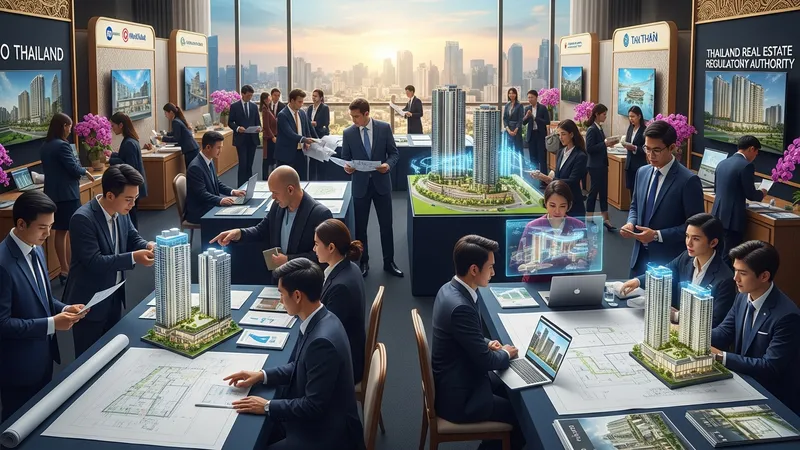
One example of real estate investment is acquiring land that carries a Chanote title, which is often viewed as straightforward from a legal perspective. Such holdings typically provide clear boundaries and easier transfer procedures, though buyers may still need to comply with various regulatory checks before finalizing a transaction. Regional price variations play a significant role, especially in high-demand urban or tourist destinations within Thailand.
Ownership of condominiums is subject to specific provisions under Thai law, particularly for foreign participants. Legal limitations exist on the proportion of units in a condominium building that may be owned by non-Thai nationals. Ownership application processes can involve several steps, including document verification and compliance with local requirements, which may impact transaction timelines.
Leasehold arrangements are frequently used by both Thai nationals and foreigners, particularly where outright ownership is not possible or practical. These structures allow the right to use and develop land for a defined period. Leasehold values and terms can depend on negotiation and market demand, making due diligence important before entering into agreements.
Prospective real estate investors in Thailand usually weigh regulatory clarity, local economic indicators, and urban development patterns. Larger infrastructure projects and changes to zoning laws, for example, can influence regional property values and future demand profiles. Engaging with licensed legal or professional advisors is commonly cited as a way to ensure proper compliance with evolving regulations.
Real estate investment in Thailand consists of diverse asset types and legal structures, each with its own regulatory and financial considerations. Understanding the foundational factors such as ownership rights, market variability, and the local regulatory framework provides a clearer context for those assessing participation in this sector. The next sections examine practical components and considerations in more detail.
Ownership structures constitute an essential element of real estate investment in Thailand. Buyers may choose among Chanote titles, freehold condominium ownership, or leasehold agreements based on their eligibility and objectives. The choice of structure typically affects the legal rights associated with the property, the ability to transfer or sell it, and the level of risk involved. For foreign individuals, the most direct form of ownership is often a condominium unit, given regulatory allowances under the Condominium Act.
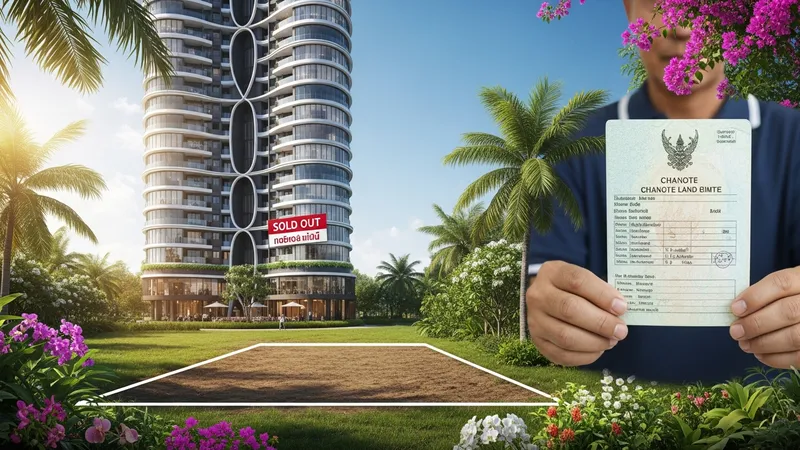
Chanote land titles are generally regarded as the strongest form of land documentation in Thailand. These titles provide precise land demarcation and allow full legal rights for Thais, and, in some cases, certain juristic persons under Thai law. Foreigners, however, are usually prohibited from direct land ownership but may explore indirect participation through Thai-incorporated companies subject to regulatory oversight. Chanote-titled land can appeal to those seeking long-term stability, provided due diligence is thoroughly performed.
Leasehold agreements are common alternatives, typically structured for 30-year periods and sometimes renewable up to 90 years in total. Both locals and foreign investors may access properties in this way, as leases grant defined usage rights rather than outright ownership. Before entering into such agreements, parties are generally advised to review all commercial terms, understand liabilities, and clarify renewal conditions, since lease negotiations can vary significantly by region and property type.
Hybrid ownership models also exist, especially in mixed-use developments or where legal entities facilitate ownership. For example, so-called "company ownership" may involve forming a Thai company to purchase freehold land, subject to legal caps on foreign shareholders’ participation. These approaches must comply with relevant Thai Ministry of Commerce and Land Department regulations, and may entail ongoing reporting, audits, and additional compliance costs.
Geographic location is a central consideration in Thai real estate, affecting pricing, potential use, and future demand. Urban centers such as Bangkok, Chiang Mai, and Phuket often command higher land and property values due to greater access to infrastructure, employment opportunities, and lifestyle amenities. Conversely, rural areas may appeal because of lower entry costs and development potential, but can sometimes present unique challenges regarding market liquidity and growth prospects.
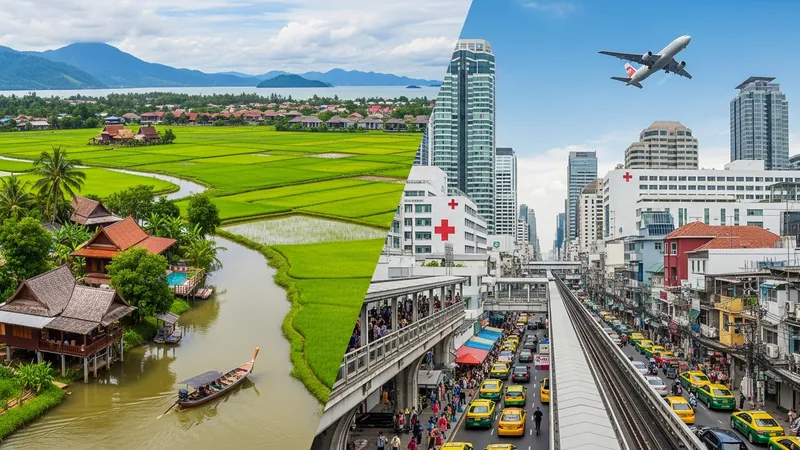
Proximity to major transportation hubs, including new BTS and MRT lines in Bangkok or international airports in key tourist destinations, is often cited as a driver of property demand. New infrastructure projects announced by the Thai government commonly cause a shift in regional market focus, with certain neighborhoods experiencing rapid price appreciation and others remaining relatively stable. Assessing nearby schools, hospitals, retail, and business districts is also a standard part of the due diligence process.
Zoning laws and local planning regulations play critical roles in determining what types of structures or businesses may operate on a given property. The Bangkok Metropolitan Administration, for instance, regularly updates zone maps, which can affect both the current and future uses for specific parcels of land. Properties within mixed-use or commercial zones may offer more flexibility, while residential zones could impose stricter limitations on permitted activities.
Natural factors such as flood risk, soil stability, and access to utilities are practical considerations for many buyers and lessees. Land in areas prone to seasonal flooding or lacking public infrastructure may be available at lower prices, but development costs and long-term maintenance can often be higher. Engaging relevant authorities or independent surveyors to assess these physical attributes is commonly seen as part of responsible preparation when considering real estate transactions in Thailand.
Navigating the regulatory landscape is a critical aspect of real estate investment in Thailand. Core agencies such as the Department of Lands and the Ministry of Interior oversee property registrations, transfer procedures, and compliance with national and provincial statutes. Legislative changes, such as updates to the Condominium Act or amendments to the Land Code, may alter the rights and obligations of both foreign and domestic property owners over time.
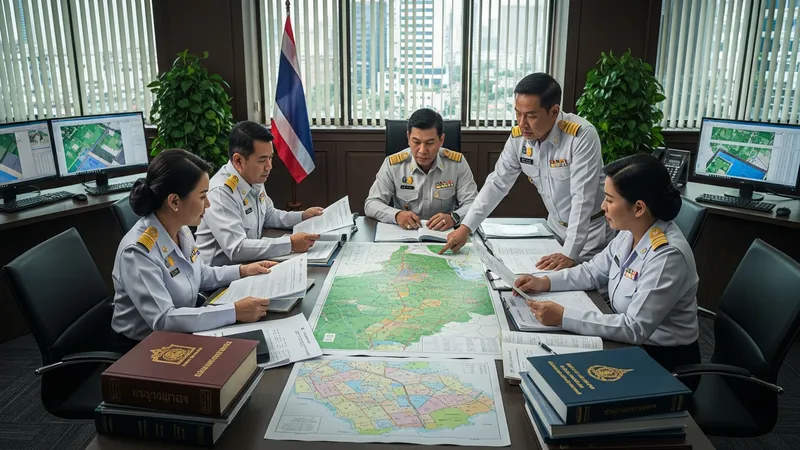
Restrictions exist around the types of property foreign nationals may possess. Direct land ownership is generally limited, but exceptions may occur under investment promotion schemes or through prolonged leaseholds. Condominium ownership remains the most common route for non-Thais, although the foreign quota per building is capped by law at 49%. Registration processes often require submission of official documentation, foreign currency remittance evidence, and background checks to assure legal compliance.
For leasehold agreements, registration with the Land Department is mandatory for leases longer than three years. Stamp duty, registration fees, and specific taxes apply to both lessor and lessee, varying by type and value of the transaction. It is typical for lease agreements to be drafted in both Thai and English to ensure full understanding by all parties, though the Thai version takes legal precedence in case of dispute.
Ongoing reporting requirements can apply where land is owned through a juristic entity, such as a Thai limited company. Changes in shareholding, corporate structure, or business use may prompt regulatory review. Investors may benefit from periodically checking updates published by official sources, including the Department of Lands and property-related regulatory news portals.
Thai real estate markets experience periodic shifts influenced by broader economic factors, policy changes, and demographic trends. Urbanization continues to spur demand in major cities, where housing needs drive both condominium and serviced apartment projects. Demand in tourist destinations such as Pattaya and Phuket is often affected by travel trends, foreign exchange fluctuations, and local development incentives that may encourage new supply or renovation of existing properties.
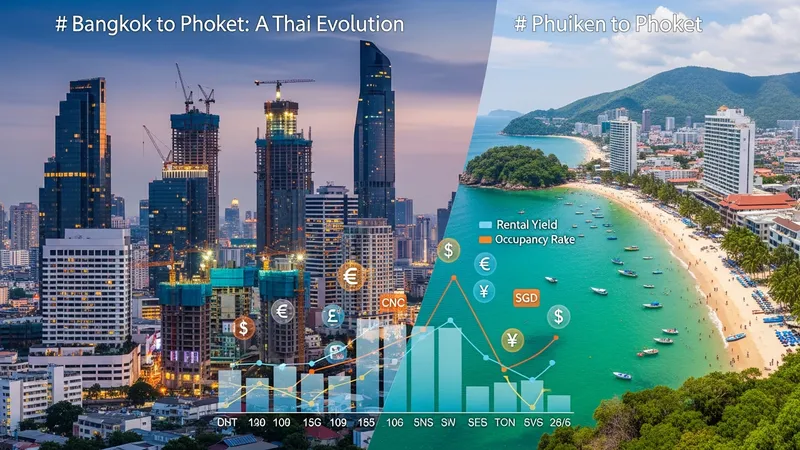
Rental yields and occupancy rates are commonly analyzed by prospective investors as part of their decision-making process. In central Bangkok, rental yields for condominium units may range from 3% to 6% annually, depending on building age, location, and tenant demand. Prevailing market conditions, such as post-pandemic recovery patterns or anticipated future infrastructure projects, also influence price adjustments for both sales and leases in many Thai regions.
Lending practices and interest rates set by domestic banks affect the affordability and accessibility of real estate purchases, especially for local buyers. Foreign nationals may face additional constraints or documentation needs when seeking financing, as credit policies typically differ between borrower categories. Changes to mortgage guidelines or regulatory frameworks, often enacted by the Bank of Thailand, can alter the landscape for both residential and commercial real estate acquisition.
The overall real estate environment in Thailand remains interconnected with macroeconomic fundamentals such as GDP growth, inflation, and foreign direct investment trends. Awareness of the latest data and market reports released by official agencies, reputable research firms, or recognized property information platforms is often seen as a foundational element of informed participation in the sector. This approach helps contextualize decision-making within the realities of changing economic and regulatory conditions.