
Attorneys are legal professionals who provide representation, advice, and document preparation within the United States legal system. They may act on behalf of individuals, businesses, or organizations across civil, criminal, administrative, and transactional matters. Representation commonly includes assessing facts, applying relevant statutes and case law, drafting pleadings and contracts, negotiating settlements, and appearing before judges, juries, or administrative bodies. Licensing and professional responsibilities are governed by state licensing authorities and ethical rules that structure how attorneys may communicate with clients and represent their interests.
Legal representation in the United States typically varies by practice area, court level, and the client’s objectives. Attorneys may operate in private practice, serve as public defenders or prosecutors, work in-house for corporations, or provide services through legal aid organizations. The scope of work can include preventive counseling, formal dispute resolution, regulatory compliance, and transactional drafting. Ethical duties such as confidentiality, competence, and conflict avoidance commonly shape how attorneys approach a matter and how they document the attorney-client relationship.

Licensing and regulation provide a framework for how attorneys practice in the United States. Each state maintains a bar authority that administers character and fitness screening, bar examinations, and continuing legal education requirements; some attorneys also seek voluntary certification in specialties. The American Bar Association’s model rules often inform state ethical rules, but specific obligations and procedural timelines may differ between jurisdictions. Understanding the regulatory context is relevant for assessing competencies, complaint processes, and permissible fee arrangements.
The attorney-client relationship establishes duties that commonly include confidentiality, competent representation, and loyalty. Confidential communications typically remain protected, subject to narrowly defined exceptions. Written engagement agreements are often used to clarify the scope of representation, fee structures, and termination conditions. When multiple potential clients or interests are involved, attorneys typically assess conflicts and may decline or withdraw from representation if a disqualifying conflict exists under state ethical rules.
Practice areas influence the mechanics and timing of representation. Civil litigation follows procedural rules that may require pleadings, discovery, and motion practice governed by federal or state rules of procedure; transactional work focuses more on drafting, negotiation, and regulatory compliance. Criminal matters often proceed under constitutional and statutory protections specific to the penal process. Alternative dispute resolution, such as mediation or arbitration, may be used in lieu of or alongside court processes, depending on agreements and statutory allowances.
Fees and access considerations can shape choices about representation. Fee arrangements in the United States commonly include hourly billing, flat fees for defined tasks, contingency fees in certain civil claims, and retained or hybrid structures. Public defender offices, legal aid organizations, and pro bono programs provide services for income-qualified clients or in contexts where statutory counsel is required. Cost, specialization, and available resources often influence how an attorney plans litigation, investigation, and third-party engagement such as expert retention.
In summary, an attorney guide centered on understanding legal representation and attorney roles explains how licensed professionals operate within the U.S. legal framework, the varieties of representation available, and the ethical and procedural structures that shape legal work. This foundational view may help readers recognize differences among practice settings, the typical progression of a legal matter, and the documentation that governs attorney engagement. The next sections examine practical components and considerations in more detail.

Attorneys in the United States practice in multiple settings that affect their responsibilities and resources. Private firms range from solo practitioners to large law firms; larger firms may allocate teams for complex litigation or transactional matters, while solo or small-firm practitioners often handle a broader mix of tasks personally. Public-sector roles include prosecutors and public defenders employed by state, county, or federal agencies. In-house counsel typically focuses on recurring corporate needs. Legal aid and nonprofit organizations provide services targeted at low-income or vulnerable populations and often operate under funding constraints.
Practice setting may influence case management and client interactions. For example, public defenders in many jurisdictions manage high caseloads and work within court-appointed frameworks, while private attorneys may negotiate fee structures that allow more individualized time allocation. In-house counsel often liaise directly with business units and may prioritize regulatory compliance and contract risk management. Legal aid providers often partner with volunteer attorneys or clinics to extend services; Clients seeking help may consult state bar referral services to identify appropriate practice settings.
Specialization is a common dimension in U.S. practice. Attorneys may focus on family law, immigration, employment, tax, intellectual property, real estate, or other fields. Board certifications or state-recognized specialty credentials are available in some jurisdictions and may indicate additional training or experience, though availability and standards differ by state. When a matter involves federal law or multi-state elements, attorneys may need to coordinate across jurisdictions or use counsel admitted to practice in relevant federal courts.
Considerations for choosing a practice setting often include expected timelines, resource needs, and communication practices. Clients may weigh whether an attorney’s office can access necessary experts, handle discovery demands, or has experience in particular courts or administrative bodies. These are practical factors rather than value judgments: an attorney’s setting can shape strategies and case pacing, and a measured review of options may help align expectations for representation and outcomes.

Case preparation in the United States commonly begins with client intake and fact gathering, which may include witness interviews, document collection, and review of relevant statutory or caselaw authorities. Attorneys typically conduct legal research using federal and state reporters, online databases, and administrative records to identify applicable standards. For civil matters, pleadings and initial disclosures are drafted to set claims or defenses; for criminal matters, attorneys review charges, evidence disclosures, and potential procedural motions that may affect admissibility or client rights.
Discovery and investigation are practical phases where attorneys often engage third-party resources. In civil and some criminal contexts, discovery rules permit document requests, depositions, and expert testimony; federal civil cases follow the Federal Rules of Civil Procedure while state rules vary. Attorneys may consult experts—such as medical, forensic, or financial specialists—when technical issues are central to claims or defenses. The timing and scope of discovery can significantly influence negotiation leverage and trial readiness.
Drafting and negotiation are regular tasks across practice areas. Attorneys prepare agreements, pleadings, motions, and settlement documents using templates and jurisdiction-specific language that complies with local court rules. Negotiation may occur directly between counsel or through mediation; attorneys often evaluate legal risks, costs of continued litigation, and evidentiary strengths when advising clients. Clear explanation of options and likely timelines typically frames client decision-making in a way that reflects legal possibilities rather than assured outcomes.
Litigation advocacy and courtroom procedures in the United States are structured around rules of evidence and procedure. Attorneys may file dispositive motions, handle evidentiary hearings, and present cases at trial with direct and cross-examination, exhibits, and jury instructions where applicable. Federal and state appellate systems may provide avenues for review of legal errors. Throughout, attorneys typically document advice and steps taken, providing clients with written summaries, billing statements, and status updates as appropriate to the engagement terms.

Fee arrangements in U.S. legal practice commonly take several forms. Hourly billing is frequent for ongoing or complex matters, with rates that can vary widely by geography, experience, and firm size; in metropolitan markets, hourly rates for experienced attorneys may often be several hundred dollars per hour or more, whereas other areas may reflect lower typical rates. Flat fees are sometimes used for defined tasks like simple uncontested filings. Contingency fees—where payment depends on recovery—are common in certain civil claims, subject to state regulation and written agreements.
Cost drivers often include complexity, time required, and third-party expenses. Litigation may incur costs for discovery, expert witnesses, court filing fees, and depositions; transactional work can involve title searches, due diligence, and regulatory filings. Many attorneys provide written fee agreements that explain billing intervals, retainer holdbacks, and expense billing. State bar associations generally provide guidance on acceptable fee arrangements and may require written contingency agreements in certain matters to protect clients’ understanding.
Access to lower-cost or no-cost services is an important factor in the U.S. legal ecosystem. Legal aid organizations funded through the Legal Services Corporation, state programs, or nonprofit grants provide services for qualifying individuals; pro bono programs through law firms and bar associations also extend assistance. Fee-shifting statutes in some federal and state laws allow prevailing parties to recover attorney fees in specified cases, which can alter cost considerations when assessing the economic feasibility of litigation.
Practical considerations for clients often include asking for a clear fee agreement, understanding billing practices for time and expenses, and discussing phased scopes of work to manage budgetary constraints. Attorneys commonly provide periodic billing statements and may be open to discussing alternative fee arrangements that align incentives with case goals. These are informational considerations intended to clarify how costs typically arise and how they may be documented under U.S. practice norms.
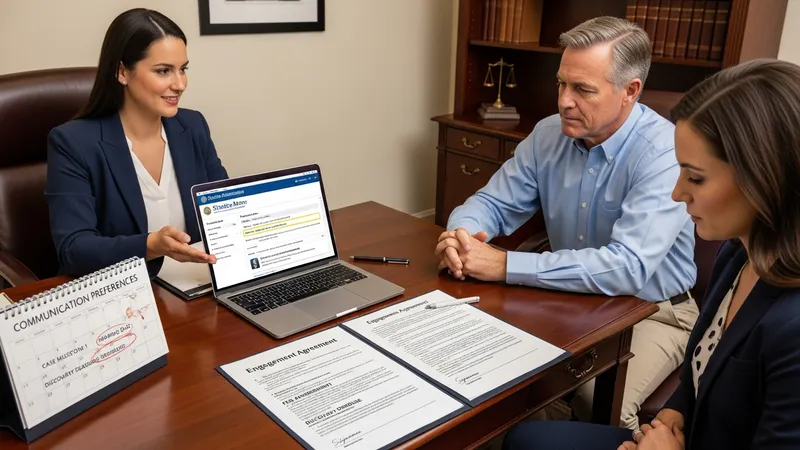
Finding an attorney in the United States often begins with state bar directories, attorney referral services, or nonprofit legal aid listings. Many state bar associations maintain online directories that allow searches by practice area and location; university clinics and local legal aid groups may offer low-cost assistance for qualifying matters. Client considerations typically include attorney experience in a relevant practice area, familiarity with local court procedures, and documented engagement terms. These factors may influence expectations about timelines and resource allocation.
Client communication and expectations are central to ongoing representation. Attorneys often outline the scope of work in a written engagement agreement that addresses objectives, fee arrangements, and communication preferences. Regular updates about case milestones and material developments are commonly part of professional practice. If a client’s objectives change, attorneys may revisit the scope and modify agreements accordingly, subject to ethical constraints and potential conflict checks.
Conflict-of-interest rules and confidentiality obligations affect whom an attorney can represent. Before taking a matter, attorneys generally perform conflict checks to identify prior or concurrent representations that may disqualify them. Confidential client information is typically protected under ethical rules, though narrow exceptions apply in limited circumstances. Clients may also ask about an attorney’s admission to relevant federal or state courts when a matter involves jurisdiction-specific filings.
Terminating representation and seeking alternative counsel are governed by engagement terms and professional rules. Attorneys may withdraw for reasons such as nonpayment or conflict, often following procedural steps required by courts when a matter is active. Clients may also change counsel and usually have rights to their file materials subject to billing obligations and document retention practices. These procedural features reflect routine aspects of U.S. legal practice and are presented here as informational considerations for those engaging legal representation.