
Preparing for an audit is a central process for companies planning to transition from private to public ownership. Organizations in this stage usually face increased scrutiny of their financial reporting, internal controls, and compliance with regulatory requirements. Audit preparation involves conducting detailed reviews, identifying gaps or inconsistencies, and implementing measures to address financial transparency and regulatory standards that typically apply to public companies. This process helps ensure that all financial data presented to potential investors and regulatory bodies is accurate, consistent, and compliant with relevant guidelines.
In the United States, companies anticipating an initial public offering (IPO) commonly engage specialized audit preparation services. These services focus on reviewing and strengthening internal controls, supporting documentation for accounting positions, and ensuring compliance with standards such as those outlined by the Securities and Exchange Commission (SEC) and the Public Company Accounting Oversight Board (PCAOB). The focus remains on establishing good governance, reducing the risk of restatements, and improving market confidence.
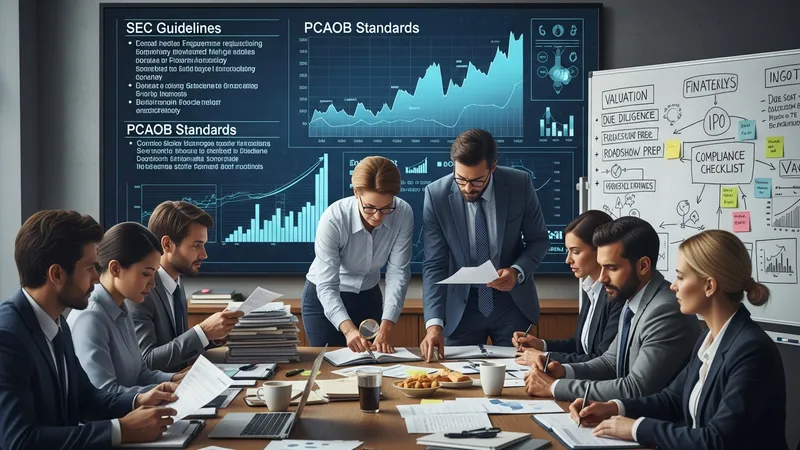
Companies aiming to go public in the United States may encounter a range of audit preparation approaches, with each designed to address specific regulatory needs and organizational complexities. For instance, SOX readiness assessments are often a primary focus, addressing core control requirements and documenting risk responses. Firms frequently utilize third-party expertise to help fill technical knowledge gaps and to prepare internal teams for the rigors of public market reporting.
Financial statement reviews play a vital role in the audit preparation process, as these assessments typically uncover inconsistencies in accounting treatments, omissions, or issues related to revenue recognition and expense classification. Ensuring historical financials comply with SEC expectations can help minimize the likelihood of post-IPO adjustments or restatements.
Support for compliance documentation is another common element. By consolidating relevant paperwork, audit trails, and justifications for financial positions, companies can create a transparent record of their operating practices. Adequate documentation may also improve the efficiency of the external audit process and reduce the duration of audit fieldwork.
Collectively, these preparatory measures serve to reduce uncertainty for investors and support a smoother transition to public company status. The completed process may also streamline reporting requirements following the IPO, such as quarterly filings and disclosure obligations. The next sections examine practical components and considerations in more detail.
Focusing on internal controls is a significant component of preparing for an audit before going public. In the United States, pre-IPO companies are often required to design and assess robust systems for monitoring and managing financial information. According to SEC and PCAOB frameworks, these controls are intended to reduce the risk of error or fraud in financial reporting, which is critical for investor assurance and regulatory compliance.

Sarbanes-Oxley compliance remains a particular point of attention during audit preparation. Section 404, for example, mandates that management and auditors report on the effectiveness of internal controls over financial reporting. Many organizations undertake SOX readiness assessments to test existing control environments, identify deficiencies, and initiate appropriate remediation efforts ahead of their first filing as a public company.
Typical procedures may involve mapping critical processes, reviewing segregation of duties, and ensuring that policies are clearly documented and communicated throughout the organization. Pre-IPO companies often collaborate with external advisors to benchmark their internal controls against established standards and address any gaps identified during these assessments.
Periodic re-testing of controls and documentation improvements may occur as part of this process. Early identification of control weaknesses can help companies take corrective measures, which may reduce the likelihood of last-minute issues during the formal audit. These efforts support a culture of accountability and contribute to the overall reliability of financial reporting.
Reviewing financial statements is another foundational task in audit preparation for companies planning to go public. In the United States, such reviews typically focus on the alignment of financial records with Generally Accepted Accounting Principles (GAAP) and regulatory disclosures required by the SEC. This process may involve comparing prior years' data, checking for consistent application of accounting policies, and identifying significant transactions that require detailed explanations.

Auditors and financial advisors may scrutinize specific elements within the financial statements, including revenue recognition, expense categorization, and asset valuations. Consistency, accuracy, and support for each material item are often needed to satisfy market and regulatory expectations. Companies sometimes discover through this review that changes to accounting processes or system upgrades are necessary to meet public company standards.
Disclosures within the financial statements receive significant attention. Narrative explanations for material accounting policies and any unusual or non-recurring items need to be comprehensive, as required under SEC rules. Pre-IPO firms may consult prior SEC comment letters or benchmark disclosures by recently listed companies to inform their own documentation.
Reconciliation processes, such as those for intercompany accounts or non-routine transactions, are double-checked to ensure that results are free from material misstatement. This detailed review of financial statements can help prepare a company for fieldwork by external auditors and the public disclosure requirements following an IPO.
Comprehensive documentation underpins effective audit preparation for companies before an IPO. In the United States, regulators like the SEC and PCAOB often require an audit trail that details accounting judgments, policy decisions, and supporting evidence for key financial items. Accurate and accessible records help external auditors validate reported numbers and confirm adherence to regulatory guidelines.

Organizing compliance documentation may include linking accounting entries to contractual agreements, board resolutions, and relevant correspondence. Documentation support typically extends to policies on revenue recognition, contingent liabilities, and estimates involving significant management judgment. Preparing such files in anticipation of auditor review can help streamline the overall audit process and reduce follow-up requests.
Pre-IPO companies often establish standardized templates or software-driven solutions to facilitate consistent documentation. Audit support tools may play a role in collecting required evidence and maintaining version control, which is particularly useful if companies face evolving regulations or accounting standards in the transition to public reporting.
Regular internal reviews of compliance documentation can also be implemented prior to the final audit. Companies may simulate auditor inquiries to assess preparedness and ensure all necessary evidence can be quickly supplied. This practical approach aims to make the actual audit less disruptive to ongoing business activities and to meet investor expectations for transparency.
Audit preparation is typically viewed as an ongoing process, even after a company completes its IPO. Companies in the United States may adopt routines for periodic reassessment of controls, practices, and documentation to comply with evolving regulations and address changes in business operations. This continuous improvement mindset helps maintain reliability in financial reporting and supports sustained compliance with SEC and PCAOB requirements.

The experience gained from initial audit preparation often informs future practices. Many companies find that lessons learned during pre-IPO readiness—such as common control deficiencies or documentation oversights—can be addressed through ongoing training, technology investment, or process improvements. Regular review cycles may be scheduled in advance of subsequent SEC filings or external audits.
Collaboration between internal audit, finance, and compliance functions is frequently emphasized in maintaining high standards for future reporting. Formalizing communication channels and responsibilities for addressing audit findings may help reinforce internal accountability. Organizations may also leverage post-IPO feedback from external auditors or regulatory reviews to enhance controls and documentation practices.
Aligning audit preparation with longer-term corporate governance initiatives may contribute to more predictable and efficient audit cycles in the years following an IPO. Although each organization’s experience varies, ongoing attention to audit readiness can support both regulatory compliance and the company’s reputation in the public market environment.