
Insurance designed for veterans who have disabilities combines standard auto coverage with accommodations for mobility needs and service-related conditions. Such coverage typically addresses liability, collision, and comprehensive protections while recognizing vehicle adaptations, periodic use changes, and accessibility-related services. Policies can include specific endorsements or riders that describe coverage for alterations to steering, seating, or controls, and they often account for how mobility patterns—such as reduced driving or specialized transport—affect risk assessments.
This coverage framework also considers verification of disability status and any related benefits from veteran support organizations that may influence available options. Insurers and brokers commonly review medical documentation, adaptive equipment invoices, and usage profiles to determine applicable endorsements or premium adjustments. The overall approach seeks to align vehicle protection with practical mobility needs without implying uniform entitlements across carriers or jurisdictions.
Adapted-vehicle coverage may specify how modifications are valued and repaired. Insurers often distinguish between structural changes integral to the vehicle and removable equipment, with variable replacement or repair clauses. Policyholders commonly encounter limits on coverage for aftermarket adaptations unless an endorsement explicitly includes them. When adaptations are factory-installed, some policies may treat them differently for valuation purposes compared with retrofits; this distinction can affect settlement amounts after a total loss. Readers should note that carriers vary in how they write these terms and that precise wording matters for claims involving adaptive equipment.
Accessibility-focused roadside and assistance services can differ in scope and dispatch protocols. Some programs may provide specialized towing that accommodates wheelchair-accessible vans, while others may offer on-call advice for temporary solutions that maintain driver mobility. Availability and response practices often depend on regional service networks and carrier partnerships. Consumers may find that roadside assistance tied to specific endorsements or third-party providers can better account for size, weight, or ramp constraints associated with adapted vehicles compared with generic service plans.
Documentation and benefits coordination commonly influence underwriting and claim outcomes. Typical materials requested may include disability verification, repair or adaptation invoices, and records of VA or other benefits that could affect out-of-pocket responsibilities. Proper documentation can clarify whether an item is a vehicle component or personal mobility equipment, which in turn can change coverage treatment. Policyholders may encounter administrative requirements such as pre-approval for expensive retrofits or documented proof of necessity when submitting claims related to adaptive features.
Policy selection and endorsements often intersect with usage changes that occur after an adaptation: reduced annual mileage, different primary drivers, or modified storage and parking arrangements can affect premiums. Insurers typically assess these operational shifts as part of risk modeling. For instance, lower annual mileage can sometimes lead to different rating considerations, while frequent transport of passengers with mobility needs may influence liability exposure. These practical factors commonly shape how policies are quoted and what optional coverages may be relevant.
In summary, vehicle insurance for veterans with disabilities integrates standard auto protections with accommodations for adapted equipment, specialized assistance, and documentation processes. Coverage treatment can vary by carrier and by whether adaptations are factory-installed or aftermarket, and policy language often governs valuation and replacement of adaptive features. The next sections examine practical components and considerations in more detail.
Coverage options for drivers with mobility needs generally mirror standard auto policy structures while adding targeted features that address adaptations and accessibility. Liability, collision, and comprehensive coverages remain core components, and carriers may offer endorsements for adaptive equipment or for transportation modifications. These endorsements can define reimbursement limits, whether the equipment is replacement-cost or actual cash value, and whether labor to reinstall adaptations after repairs is covered. Understanding the distinctions between policy limits and endorsement language often helps clarify how adapted vehicles are treated in loss scenarios.
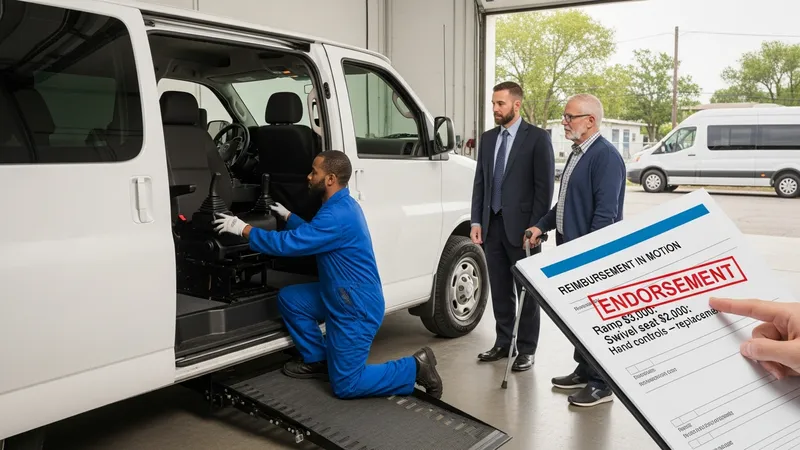
Some insurers may offer equipment-specific coverage that isolates adaptive modifications from personal property limits, reducing ambiguity during claims. For example, an endorsement might list covered items such as ramps, swivel seats, or hand controls and specify a per-item or aggregate limit. Policyholders might also see options for temporary transportation benefits if an adaptation requires extended shop time. These features vary by carrier and jurisdiction, so reading endorsement wording is typically necessary to determine practical implications for an adapted vehicle owner.
Accessibility-related roadside assistance is another common feature that may be structured as an add-on rather than a standard inclusion. These services can include accessible towing, assistance with ramps or lifts, and coordination with mobility equipment technicians. When selecting such coverage, practical considerations often include whether the provider has experience with larger accessible vehicles and whether dispatch procedures account for the physical needs of the vehicle and occupants. Availability may be regionally dependent, and policy documents usually indicate provider network constraints.
Insurance for adapted vehicles can also intersect with property or renters coverage when devices are portable rather than vehicle-integrated. Insurers and policy documents may delineate whether wheelchair lifts permanently attached to a vehicle are treated differently from removable mobility aids. This distinction can affect which policy responds to loss or damage: auto insurance, homeowners/renters, or a separate personal property policy. Clarifying these boundaries through policy language may reduce disputes if a claim involves equipment that could be viewed under multiple coverages.
Premium calculations for drivers with disabilities often incorporate standard actuarial factors—age, driving record, vehicle type—alongside considerations tied to adaptations and usage. Adapted vehicles can have higher or lower premiums depending on how the additions affect vehicle value, repair complexity, and liability exposure. For example, extensive modifications may increase replacement costs, potentially raising the policy’s insured value. Conversely, reduced annual mileage after adaptation could be a factor that insurers may view as lowering exposure. These patterns typically vary across underwriters and should be interpreted as possible outcomes rather than guarantees.
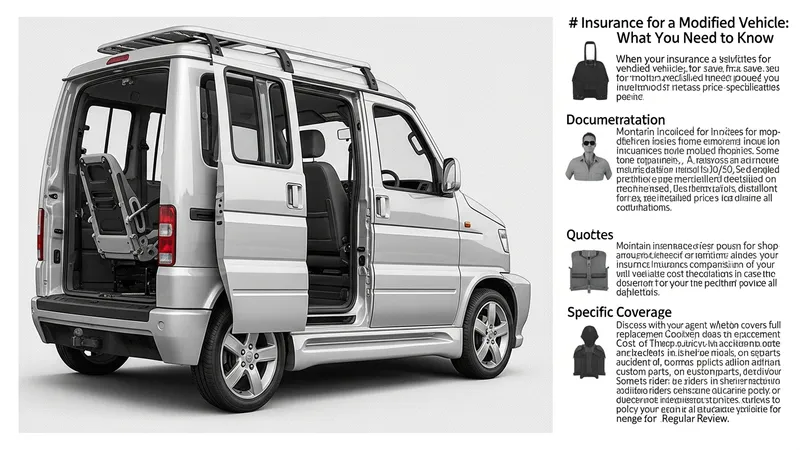
Insurers may request documented invoices for modifications to include them in insured value or to set appropriate limits. The cost and sourcing of adaptations—factory versus aftermarket—can influence underwriting. Factory-installed options might be treated as part of vehicle equipment valuation, while aftermarket retrofits can require specific endorsements. When carriers evaluate repairability and parts availability, these elements may also feed into premium determinations and coverage conditions. Policyholders often find it informative to provide detailed adaptation records during the quoting process.
Some cost-related considerations extend to claims handling: specialized repair shops, custom parts, and technician expertise can affect actual repair costs and timelines. Insurers may require use of approved repair facilities or offer a list of qualified vendors familiar with adaptive equipment. These choices may affect settlement amounts and repair durations, which indirectly tie back to premium expectations over time. Understanding how claims practices handle adaptive equipment can provide insight into long-term cost patterns for owners of modified vehicles.
When evaluating payment methods and deductible structures, policyholders may encounter variability in how deductibles are applied to adaptive equipment claims. Certain endorsements may apply a separate deductible or limit for adaptive components, or they may fold repair costs into the vehicle’s primary deductible. These distinctions matter for out-of-pocket exposure in the event of damage and are important considerations when selecting coverages and limits. Readers should view these points as typical areas of variation rather than uniform practices across all insurers.
Verification of disability status and veteran-related benefits commonly factors into administrative processes when seeking tailored insurance features. Carriers or brokers may request documentation such as disability ratings, benefit letters, or physician statements to justify endorsements or to accommodate special billing arrangements. These materials can help clarify the necessity of adaptations and support valuation of equipment. The process tends to be procedural, aimed at matching policy language to the insured’s actual mobility needs rather than creating eligibility barriers.
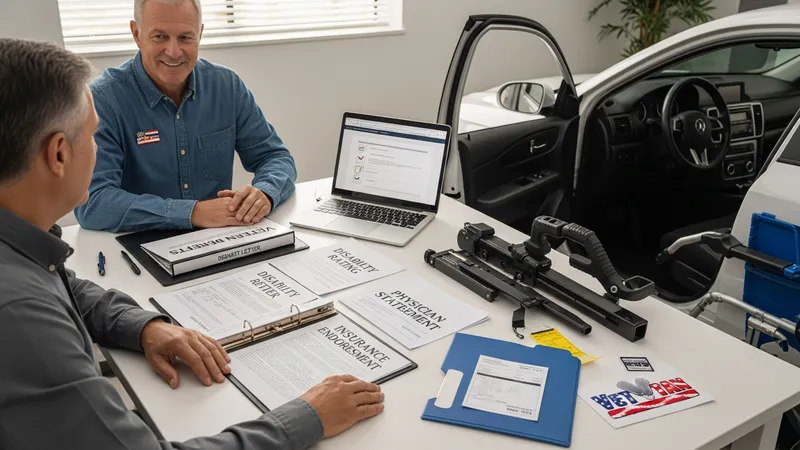
Eligibility for certain endorsements or programs may depend on whether equipment is permanent, essential for operation, or primarily personal mobility aid. For example, hand controls that enable driving are often treated differently than removable lifts used for loading and unloading. Insurers may also coordinate with veteran support organizations or benefit programs to determine if benefits cover part of the adaptation costs, which in turn can inform claims handling and subrogation considerations. These coordination practices typically reduce ambiguity about payment responsibilities.
Privacy and documentation handling are relevant considerations: carriers generally follow applicable privacy regulations when processing medical or disability-related information. Policyholders should expect requests for specific records but also rights to limit disclosure where permitted by law. Knowing which documents are typically required—such as proof of adaptation necessity or receipts—may streamline underwriting and claims processes. Stating such requirements as common practices helps set expectations without implying universal procedures for every carrier.
Administrative timelines can be a practical factor: pre-approvals for expensive retrofits or extended repair authorizations are sometimes part of the documentation workflow. Insurers may require estimates or job approvals before covering large adaptation projects. These procedural steps can affect schedules for vehicle modifications and repairs, so planning ahead and understanding a carrier’s documentation requirements may reduce delays. Presenting this information as considerations underscores variance across providers rather than standardized mandates.
Support services tied to policies for drivers with mobility needs often encompass claims handling protocols, repair logistics, and coordination with mobility equipment specialists. Claims involving adaptive components may require specialized adjusters or appraisers familiar with retrofit valuation. Repair logistics can include sourcing custom parts and coordinating technician schedules; insurers and repair facilities may offer lists of vendors with relevant expertise. These operational elements commonly influence the practical experience of recovery after a loss and are typically described in policy claims procedures.
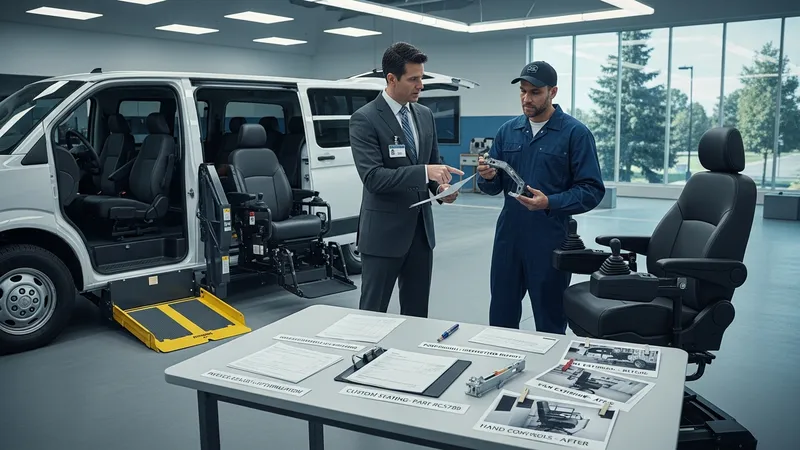
When submitting a claim for adapted equipment, clear documentation of purchase, installation, and maintenance histories often expedites valuation. Photographs, invoices, and technician reports can clarify whether an item qualifies as a vehicle component or a personal mobility aid. Some insurers may consider depreciation for older adaptions, while others may offer replacement-cost provisions under specific endorsements. Presenting these variants as typical differences helps readers understand why outcomes can vary by policy wording and endorsement selection.
Coordination with mobility equipment providers and local service networks is another logistical consideration. For instance, accessible towing requires carriers and tow operators to account for vehicle dimensions, ramp integrity, and securement methods. Service providers experienced with adapted vehicles may reduce the risk of secondary damage during transport. These operational points are often practical determinants of claim outcomes and repair quality and thus are relevant to policyholders planning for incident response.
Finally, maintenance and record-keeping routines can affect long-term coverage interactions. Regular servicing of adaptive devices and retaining receipts and service records can assist in demonstrating ongoing care and may influence settlement discussions. While these practices do not alter policy terms, they commonly serve as useful evidence in claims contexts. This information is presented as practical considerations to help manage expectations rather than prescriptive requirements.