
Chimeric Antigen Receptor (CAR) T-cell therapy is a process in which a patient’s own immune cells are genetically modified in a laboratory to enable them to better recognize and respond to specific types of cancer cells. This approach is distinct from conventional treatments, as it relies on harnessing the immune system’s adaptive capabilities rather than using broad methods such as chemotherapy or radiation alone. The process typically involves several stages, from cell collection and modification to infusion and monitoring, all overseen in highly specialized medical centers.
CAR T-cell therapy is primarily utilized for certain hematologic, or blood-related, cancers. In clinical settings across the United States, this therapy is often considered when other standard treatments may not have achieved desired outcomes. The stepwise process includes the collection of T-cells from the patient, their genetic alteration to express chimeric antigen receptors that target cancer cells, careful preparation for infusion, and ongoing evaluation for potential side effects and effectiveness.

CAR T-cell therapy involves intricate procedures that start with leukapheresis, where T-cells are drawn from the patient’s blood at accredited medical facilities. This collection step is followed by laboratory modification, where the cells are engineered to express receptors targeting specific cancer antigens. Once the engineered T-cells are expanded and tested for quality, they are delivered back to the treatment center for infusion.
Patient eligibility for CAR T-cell therapy is determined through careful clinical assessment, often considering diagnosis, previous treatment history, and overall health status. Not all patients may qualify, and current FDA approvals cover specific subtypes of leukemia and lymphoma. Physicians and multidisciplinary teams develop personalized plans for each case in the United States.
The period following CAR T-cell infusion may involve significant monitoring for immune-related reactions. Among the notable considerations is cytokine release syndrome, which can occur as the immune system responds to infused cells. Specialized protocols are implemented at experienced cancer centers to address these risks should they arise.
Several logistical factors may influence access to CAR T-cell therapy in the United States, such as the proximity to approved centers, insurance coverage considerations, and the requirement to travel or stay near the hospital post-infusion. Most centers offer multidisciplinary support services to assist with these aspects during planning and recovery.
Summarizing, CAR T-cell therapy represents a highly individualized approach to certain blood cancers by reengineering patient T-cells. The selection of therapy type, assessment processes, treatment administration, and follow-up monitoring are complex and coordinated activities. The next sections examine practical components and considerations in more detail.
The initial stage of CAR T-cell therapy is cell collection, typically performed through a process called leukapheresis. During this procedure, a patient’s blood is filtered using specialized machines to separate and collect T-cells. The process is completed at accredited medical sites, which may operate within larger cancer or academic medical centers in the United States. This step generally takes several hours and is often conducted on an outpatient basis, though hospitalization may sometimes be required for patient safety or convenience.

Once collected, the T-cells are transported under stringent regulations to laboratories equipped for genetic modification. In this phase, the cells are altered using viral vectors or other tools to insert genomic material encoding for a chimeric antigen receptor. This modification allows the T-cells to recognize and bind to proteins found on the surface of malignant cells, such as CD19 in several forms of lymphoma and leukemia. The safety and integrity of modified cells are strictly verified before any further steps occur.
Growing sufficient quantities of modified CAR T-cells involves a controlled cell expansion process. Specialized facilities cultivate the modified cells under monitored conditions, with regular assessment for quality and function. These processes may take several days to a few weeks, after which the final cell product is cryopreserved and prepared for distribution back to the treating medical center. Timely processing and transportation are coordinated with strict regulatory compliance in the United States.
Variations in cell collection and modification protocols may exist depending on individual therapy types (e.g., Tisagenlecleucel, Axicabtagene Ciloleucel), the patient’s underlying medical status, and site-specific logistics. Practical considerations in planning often include scheduling cell collection at times optimized for patient health, evaluating blood counts in advance, and careful tracking of the modified cell product between manufacturing and clinical sites.
Prior to receiving CAR T-cell infusion, patients routinely undergo a conditioning regimen called lymphodepletion chemotherapy. This step typically involves administration of specific chemotherapeutic agents over several days to temporarily reduce existing immune cells, preparing the environment for the incoming CAR T-cells. The choice of chemotherapy drugs, dosing schedule, and duration are all determined by the treatment team in accordance with current standards and the specific CAR T-cell product.

After lymphodepletion, the personalized CAR T-cell product is thawed at the treatment center and administered intravenously. The infusion is managed in settings equipped for close observation due to the risk of rapid immune responses. Hospitals in the United States with established cellular immunotherapy programs often provide dedicated units for CAR T-cell patients, ensuring prompt recognition of any acute changes during or immediately after infusion.
Throughout the infusion process, healthcare providers monitor for immediate reactions, such as fever or chills. They are also attentive for signs of cytokine release syndrome and neurological events, which, although typically manageable, may require specialized protocols for assessment and intervention. Infusion duration is often brief, but the patient may remain under observation for hours to several days based on clinical assessments and local practices.
Logistical preparations in the United States frequently include arranging caregiver support, planning short-term housing near the treating institution, and coordinating post-infusion evaluations. Institutional protocols differ, yet all are aligned with the need to address the specific management requirements associated with CAR T-cell therapy. These preparations help facilitate a comprehensive and safe transition through the infusion phase.
The post-infusion period for CAR T-cell therapy is characterized by regular monitoring, often within specialized inpatient or outpatient facilities. Early follow-up is focused on detecting signs of immune activation, including cytokine release syndrome (CRS) and neurologic effects. CRS, in particular, is one of the more commonly observed reactions and is managed in the United States with established grading systems and supportive measures informed by real-world case data.
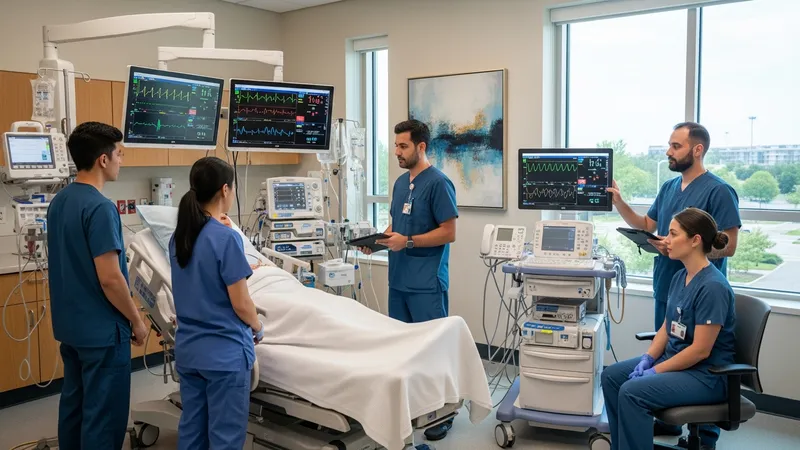
Longer-term follow-up includes blood tests, imaging, and physical assessments to evaluate both cancer response and the patient’s overall recovery. Patients may be advised to remain near the treating hospital for several weeks post-infusion so that any complications can be addressed promptly. Healthcare teams review lab results frequently during this phase and may modify supportive care based on each patient’s evolving needs.
Management of side effects takes a multidisciplinary approach. For example, if CRS or neurological symptoms are detected, evidence-based interventions such as anti-inflammatory medications or specialized neurologic assessments may be implemented. Standard protocols in the United States are designed to mitigate risks while maintaining patient safety, and supportive services such as counseling, nutrition support, and physical therapy may be offered as part of integrated care.
Over time, patients will transition from acute monitoring to scheduled follow-up appointments for ongoing surveillance of disease status and immune function. Practical considerations include coordinating communication among oncologists, primary care providers, and laboratory services to ensure continuity of care. Ongoing research in the United States continues to contribute data about potential long-term effects and optimal management strategies for CAR T-cell recipients.
Eligibility criteria for CAR T-cell therapy in the United States are specified by the Food and Drug Administration (FDA) as well as individual therapy manufacturers. Patients are typically considered for this treatment when they have relapsed or refractory forms of cancers such as certain leukemias and lymphomas, and after review of medical history, previous therapies, and overall health. Additional requirements may relate to organ function, blood counts, and absence of active infections.

Access to CAR T-cell therapy in the United States is influenced by factors including insurance coverage, proximity to certified treatment centers, and the ability to fulfill logistical and support needs during the treatment course. Institutions offering these therapies must be accredited and maintain compliance with cellular therapy standards. Various patient support programs may be available to help navigate the logistical complexities inherent to CAR T-cell therapy.
Current research aims to expand the indications for CAR T-cell therapy, improve product manufacturing, and reduce the frequency and severity of associated side effects. Many ongoing clinical trials in the United States are evaluating this therapy for solid tumors and broader patient populations. The regulatory oversight of these trials ensures that safety and efficacy data are collected systematically before new uses are approved for clinical practice.
As CAR T-cell therapy remains a dynamic area within oncology, it is shaped by multidisciplinary collaboration among clinicians, scientists, policymakers, and patient advocates. The evolution of evidence-based guidance and refinement in clinical protocols may further enhance access, safety, and personalized approaches in this field. Through continued research and educational efforts, future directions in CAR T-cell therapy are likely to address current challenges and expand its role in cancer care.