
Code Consciousness in software development refers to an increasing awareness among developers and stakeholders about the ethical dimensions and implications of programming choices. This concept acknowledges that software and algorithms are not neutral tools but entities that can influence human decisions, social interactions, and behaviors based on how they are designed. Exploring Code Consciousness involves recognizing the intentions behind code, the logic embedded within it, and the ways it may affect users and society. This awareness often includes considerations of transparency, fairness, bias, and accountability in digital systems.
Understanding ethical awareness in software development means engaging with the complex relationship between human values and technical implementation. Developers may consider how algorithms process data, prioritize outcomes, or automate decisions that impact individuals or groups. Code Consciousness can also extend to considerations of privacy, inclusiveness, and avoiding unintended consequences. It involves reflecting on how programming logic shapes user experiences and influences behavioral patterns in diverse settings including social media, financial services, and public infrastructure.

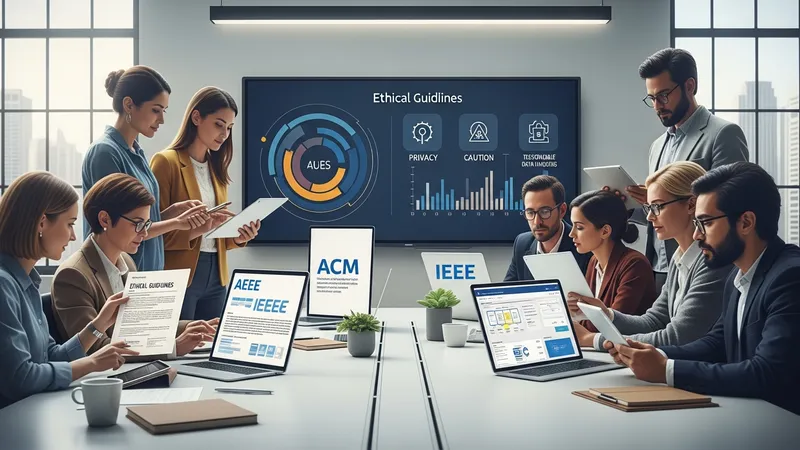
These frameworks and tools reflect common approaches to cultivating ethical awareness in software development by encouraging transparency, fairness, and consideration of societal effects. The ACM and IEEE codes are often used as reference standards across academic and professional environments, facilitating discussions on responsibility and impact. Meanwhile, specialized tools like FairML suggest practical methods for identifying bias in machine learning models, highlighting the technical aspects of Code Consciousness.
Another significant aspect is the development of governance structures within organizations to oversee ethical compliance. These governance frameworks may include multidisciplinary review boards, ethical audits, and stakeholder consultations, which can help align coding practices with broader values. Typically, such mechanisms aim to balance business or technical objectives with the ethical implications of software outcomes.
Code Consciousness also overlaps with emerging areas such as explainable AI, where developers strive to make algorithmic decisions more transparent and understandable to users. This can contribute to greater accountability and trust in software systems. However, it often requires trade-offs between performance and interpretability, which developers may need to weigh carefully.
Overall, Code Consciousness encourages a reflective approach to programming, combining ethical theory with practical tools and frameworks. It helps clarify the responsibilities of developers in an increasingly digital world and invites ongoing evaluation of how software systems interact with human society. The next sections examine practical components and considerations in more detail.
Professional codes of ethics, such as those maintained by the ACM and IEEE, provide ethical frameworks that software developers often reference when addressing Code Consciousness. These documents typically emphasize duties such as respect for privacy, avoidance of harm, and maintaining professional competence. While not legally binding, these codes may influence organizational policies and industry standards to encourage responsible development practices.
Alongside codes of conduct, organizations may establish ethical committees or review boards that serve as advisory bodies for projects involving complex ethical considerations. Such structures can include diverse expertise from legal, social science, and technical fields, enabling a broader evaluation beyond purely technical metrics. This multidisciplinary input may help detect potential societal impacts early in development cycles.
Ethical frameworks can also include detailed guidelines for specific areas, such as data handling protocols that align with privacy regulations. For instance, measures related to consent, data minimization, and access control commonly feature in these guidelines. These practical recommendations reflect an application of Code Consciousness that tackles privacy and data ethics directly in software design.
Finally, the integration of emerging methodologies in ethics reviews, such as algorithmic impact assessments, exemplifies evolving frameworks supporting Code Consciousness. These assessments attempt to systematically evaluate possible societal effects of implementing specific algorithms. They typically consider areas such as bias, transparency, and fairness, supporting developers in identifying and mitigating unintended consequences.
Tools like the Fairness in Machine Learning (FairML) toolkit provide developers with resources to analyze and address bias within algorithmic models. These tools may include statistical tests to detect disparate treatment or impact across different groups. They enable a data-driven approach to balancing fairness considerations against model accuracy and utility.

Another approach involves the use of explainability tools that attempt to clarify how algorithms generate specific outputs. Techniques such as model interpretability and transparent logging can make the decision-making process within software more comprehensible to both developers and end users. This transparency is often considered a foundational component of ethical software design.
Testing and validation frameworks regularly incorporate ethical considerations by including scenarios that simulate possible negative impacts. Testing for unintended consequences or ethical violations can be integrated into automated pipelines, allowing developers to identify potential issues before deployment. This method reflects a proactive stance on embedding ethics within the software lifecycle.
Finally, participatory design methods may support Code Consciousness by involving target users and stakeholders in the development process. Gathering diverse perspectives allows identification of ethical concerns reflective of different cultural and social contexts. This method supplements technical tools by providing qualitative insights relevant to ethical awareness.
Organizations often implement governance frameworks to foster ethical awareness among software teams. These may include establishing roles such as ethics officers and creating committees responsible for monitoring adherence to ethical guidelines. Regular training sessions on ethics can reinforce awareness and provide updates on evolving standards.
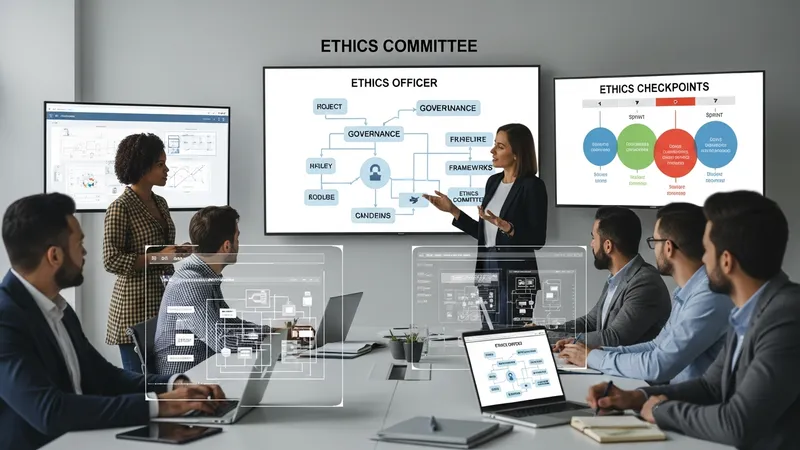
Further, integrating ethical considerations into project management methodologies ensures that such factors are not isolated but embedded into everyday development activities. For example, ethics checkpoints during development sprints or design phases can foster reflection on potential impacts and align development work with organizational values.
Performance metrics may include ethical criteria, influencing how projects are evaluated beyond technical success. This could involve measuring fairness, transparency, or user trust, thereby encouraging teams to consider these aspects systematically. However, methods for quantifying such metrics are often exploratory and developing.
Finally, organizations may encourage knowledge sharing related to ethics through forums, workshops, and cross-disciplinary collaborations. These activities create environments where developers can discuss challenges encountered in addressing Code Consciousness, thereby promoting ongoing dialogue and learning.
One challenge frequently encountered when addressing ethical awareness is balancing technical efficiency with ethical considerations. For instance, optimizing an algorithm purely for accuracy may inadvertently reinforce biases or reduce transparency. Developers and organizations often need to weigh these trade-offs carefully, acknowledging that no solution may be perfectly ethical or technically optimal.

Another consideration is the evolving nature of ethical standards and societal norms. What is considered appropriate or fair in one cultural context or time period may differ elsewhere. As a result, Code Consciousness requires adaptability and continuous learning to remain aligned with current expectations and regulations.
Resource constraints may also limit the extent to which organizations can implement comprehensive ethical frameworks. Smaller teams or projects may lack access to specialized expertise or tools, impacting their ability to address ethical aspects thoroughly. This highlights the importance of scalable and accessible methods for promoting ethical awareness.
Finally, the complexity of modern software ecosystems, where multiple components and third-party services interact, can complicate accountability. It may become difficult to trace ethical responsibilities through layered systems, which can hinder efforts to ensure ethical outcomes consistently across all software components.