
Cosmetic and toiletry wholesaling involves the large-scale distribution of personal care and beauty products, serving as a vital link between manufacturers and retailers. This sector operates by purchasing goods such as skincare items, shampoos, perfumes, and deodorants in bulk from established producers and then supplying these products to stores, salons, pharmacies, and other outlets. The wholesale process typically includes management of warehousing, product assortment selection, and distribution logistics to ensure retailers can stock a diverse range of brands and product types suited to consumer demand.
The wholesaling process in cosmetics and toiletries is characterized by complex supply chain dynamics. Wholesalers must efficiently coordinate with manufacturers for product availability, quality assurance, and timely deliveries. They also play a significant role in inventory management, often tracking sales trends to anticipate demand and avoid overstock or shortages. Due to the diversity of product types and fast-changing market preferences, cosmetic wholesalers must continually adapt their sourcing and distribution processes to maintain relevance and reliability in the market.
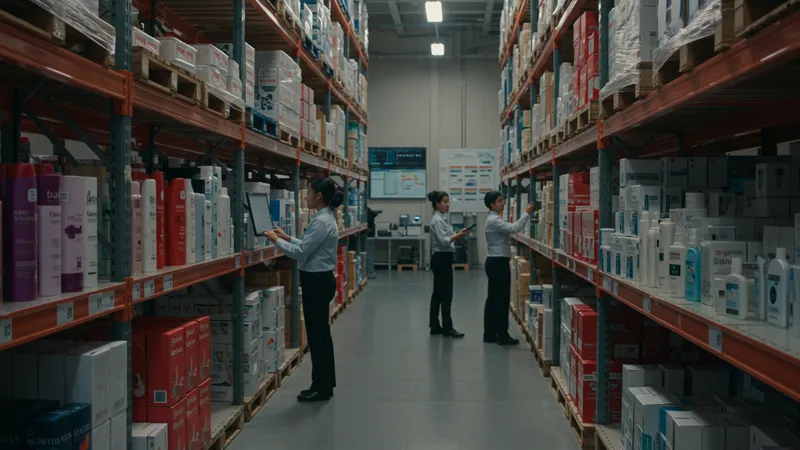
The importance of supply chain efficiency in cosmetic and toiletry wholesaling can be observed in how products are kept fresh and desirable throughout transit and storage. Many products in this sector have sensitive formulations that can be impacted by environmental factors, so wholesalers may implement temperature-sensitive shipping and climate-controlled storage solutions. Ensuring regulatory compliance for ingredients and labeling in multiple markets adds further layers to supply chain management.
Market demand for cosmetic and toiletry goods is shaped by seasonal trends and evolving consumer preferences. Wholesalers frequently monitor retail movement and promotional calendars to align stock levels with peak buying periods. Adjusting order sizes and delivery frequencies based on these insights can help minimize product waste and meet customer expectations for product availability.
Technology is playing an increasingly significant role in modernizing the cosmetic and toiletry wholesaling supply chain. Many wholesalers rely on inventory management software to track real-time stock, automate reorders, and analyze sales patterns. Digital platforms may also facilitate more efficient communication with suppliers and customers, streamlining the replenishment process and reducing delays.
Quality assurance is a persistent consideration in the wholesale supply chain. Wholesalers often perform spot checks or require documentation from manufacturers to ensure product integrity and compliance. Handling of recalls and returns further necessitates robust tracking and transparent documentation practices throughout the distribution journey.
These foundational aspects illustrate how cosmetic and toiletry wholesaling operates as a coordinated system that supports broader retail and consumer markets. The next sections examine practical components and considerations in more detail.
A key part of cosmetic and toiletry wholesaling is the coordination required at each stage of the supply chain. Starting with product procurement, wholesalers may establish agreements with both local and international manufacturers to access a wide assortment. This sourcing strategy helps wholesalers manage risks related to supply interruptions and fluctuating market demand, ensuring reliable access to in-demand product categories.
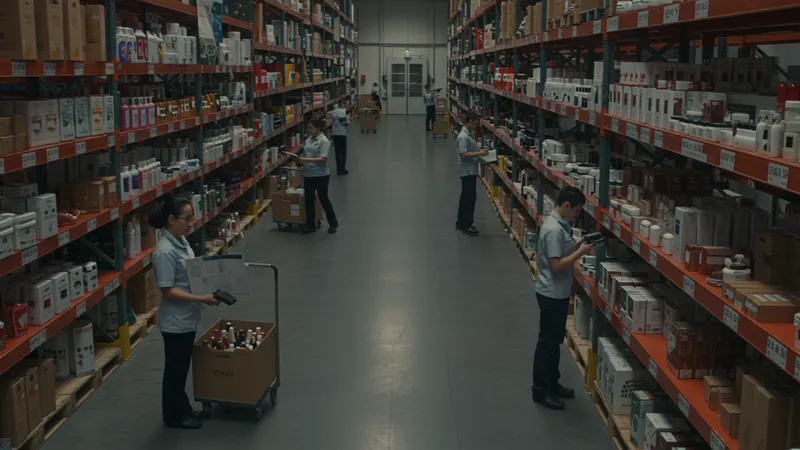
Warehousing plays a central function in this sector. Products are often stored in distribution centers equipped with specialized shelving, climate controls, or security systems to accommodate the requirements of sensitive cosmetic goods. Some wholesalers implement barcode or RFID scanning for more accurate inventory tracking, which may help reduce errors and streamline restocking activities across multiple sales channels.
Order fulfillment and delivery logistics are shaped by the perishable nature and regulatory standards of cosmetic products. Wholesalers routinely collaborate with transportation providers to move goods efficiently while minimizing the chances of damage in transit. Shipping options may range from express small-batch delivery for urgent retail needs to regular scheduled shipments that fit established inventory cycles for larger customers.
Returns management is also significant in this industry. The handling of expired or damaged goods may involve strict adherence to health and safety protocols. Wholesalers often implement clear tracking systems to document product returns, providing transparency for both retailers and suppliers and ensuring compliance with legal and industry guidelines regarding consumer protection and product safety.
Effective inventory control is critical for cosmetic and toiletry wholesalers aiming to balance product variety with stock turnover. Many wholesalers rely on demand forecasting models that may incorporate historical sales patterns, promotional event calendars, and market seasonality. These models can support data-driven decisions about reorder timing and volume, reducing the risk of overstock or missed sales opportunities due to out-of-stock items.
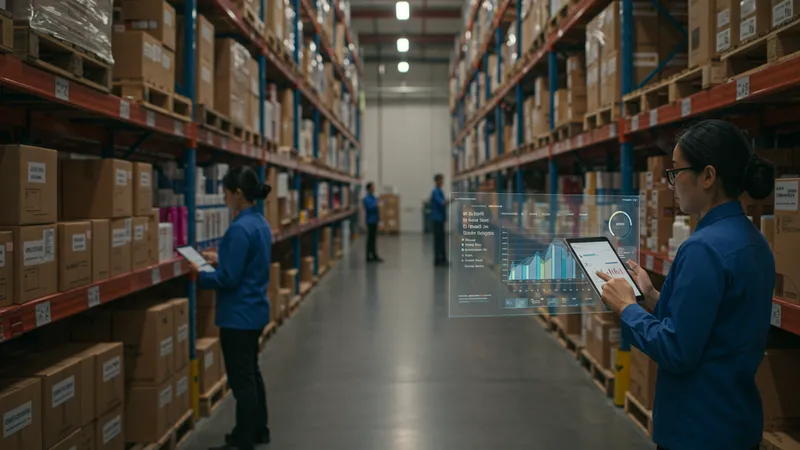
Batch tracking is widely employed by wholesalers to monitor expiration dates and lot numbers, particularly for skin care, hair care, and fragrance items. This approach aids in managing product rotation and ensures compliance in case of mandatory recalls. Inventory management systems can provide real-time alerts for stock nearing expiration, helping to minimize product waste and maintain customer satisfaction with fresh goods.
Space utilization in storage facilities is a further aspect of inventory control. Wholesalers may optimize shelving arrangements based on product turnover rates and packaging dimensions. Faster-moving items are often located closer to shipping zones to streamline fulfillment, while seasonal or specialty products can be scheduled for periodic review and reorganization based on upcoming trends or sales forecasts.
Collaboration with retailers and suppliers regarding forecast accuracy is common in this sector. Some wholesalers offer data-sharing platforms where sales data and projections may be exchanged to improve planning for product launches or promotions. This transparency can facilitate alignment across the supply chain, reducing inefficiencies and enhancing the reliability of inventory replenishment services.
Compliance with industry regulations is an essential aspect of cosmetic and toiletry wholesaling. Wholesalers are tasked with ensuring that all distributed products meet applicable standards for ingredients, labeling, and packaging according to relevant authorities. This responsibility often involves verifying compliance documentation from manufacturers and conducting periodic internal audits of inventory and shipping records.
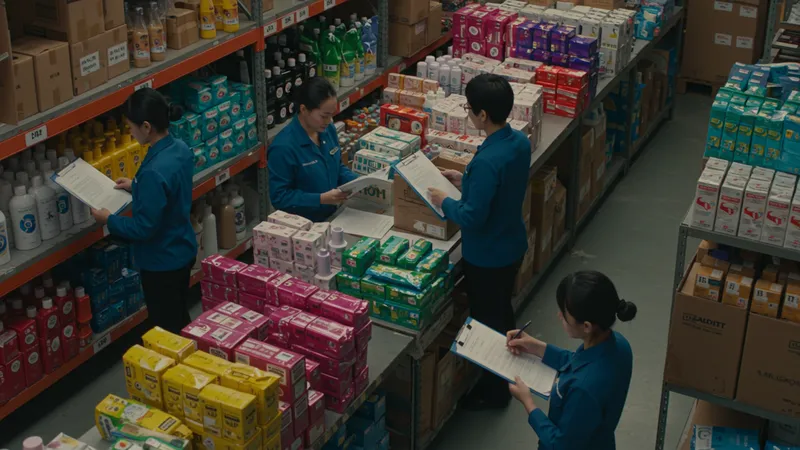
Product authenticity and quality are closely monitored within the wholesale supply chain. Wholesalers may request certificates of analysis or conformity from suppliers, particularly for new items or brands entering the market. Spot checks and physical inspections are sometimes performed to verify proper packaging conditions and to detect issues such as tampering or contamination before goods reach retailers.
Regulations governing cosmetic products can vary significantly across markets, influencing how wholesalers manage cross-border logistics and documentation. For internationally sourced goods, wholesalers may need to arrange additional compliance verifications or, in some cases, coordinate legal import requirements to ensure products are suitable for local sale. Documentation practices are crucial for audit readiness and transparency during regulatory checks.
The management of product recalls is another critical area. Wholesalers typically maintain traceability systems to quickly identify and communicate with affected retailers in the event of a recall. Proper documentation and systematic recall protocols can help maintain market confidence and adherence to consumer safety guidelines without causing unnecessary disruptions in the wider supply chain.
Technology adoption has become increasingly prevalent in cosmetic and toiletry wholesaling supply chains. Many wholesalers implement enterprise resource planning (ERP) systems, which can centralize logistics, manage inventory, and facilitate accounting. These technologies may help streamline operations, enhance transparency, and provide real-time data for informed decision-making.
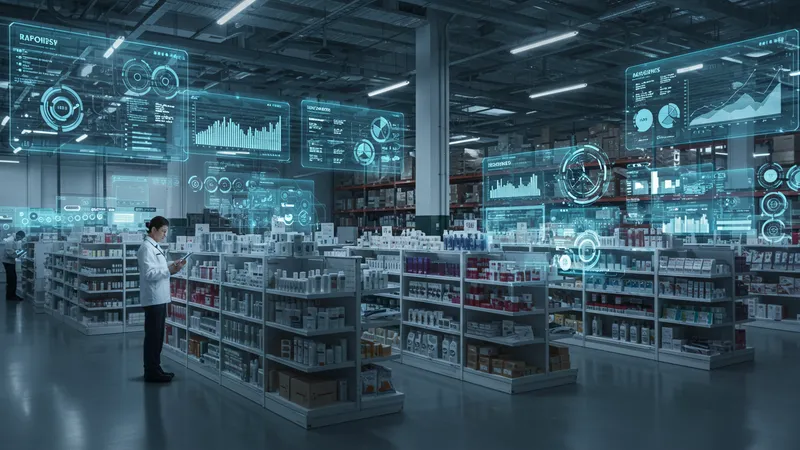
Digital communication platforms are often used to coordinate with manufacturers, suppliers, and retail customers. Such platforms allow for efficient order processing, shipment tracking, and collaborative planning. By digitizing communication, wholesalers can reduce manual errors, accelerate response times, and improve overall reliability across the supply chain network.
E-commerce integration is expanding within the wholesaling space as retailers increasingly seek online ordering options for restocking. Custom portals provide clients with up-to-date product availability, pricing, and ordering capabilities. Automated systems may trigger inventory alerts and replenishment orders, supporting higher service levels and minimizing manual administrative workload.
Data analytics and reporting tools are useful for tracking sales patterns, monitoring fulfillment rates, and identifying process bottlenecks in the supply chain. Some wholesalers leverage predictive analytics to forecast demand changes linked to seasonal trends or promotional campaigns. With these insights, inventory and shipping practices may be adjusted to better align with end-customer needs.