
The field of cyber security encompasses the practices, technologies, and processes designed to protect digital assets, networks, and data from unauthorized access, damage, or disruption. This discipline involves safeguarding computer systems and information from various cyber threats that can compromise confidentiality, integrity, or availability. Cyber security is integral to managing risks in digital environments, addressing issues that arise from the increasing dependency on internet-connected devices and complex IT infrastructures.
Understanding cyber security involves recognizing the range of techniques used to prevent attacks and mitigate potential impacts. It covers areas such as network security, application security, data security, and endpoint protection. The discipline also extends to managing human factors and organizational policies that influence how securely systems and data are handled. Through layered defenses and continuous monitoring, cyber security aims to identify vulnerabilities and respond to incidents in a systematic manner.

Firewall systems serve as a primary barrier against external threats by filtering network traffic and preventing unauthorized access. Their configurations and effectiveness can vary depending on organizational needs and network complexity. Antivirus and antimalware software are commonly employed at multiple points within networks to safeguard devices and data. These tools typically update frequently to respond to emerging threats, although no single solution can cover all vulnerabilities entirely. Intrusion detection and prevention systems add an additional monitoring layer, seeking to identify attacks during their early stages and reduce potential harm through automated interventions or alerts to administrators.
Cyber security involves a range of strategies that often work best when combined. For example, endpoint security, which protects individual devices such as computers and smartphones, is complemented by network-level defenses. Additionally, security frameworks that include risk assessment, policy development, and user training are integral components in mitigating cyber risks. These measures typically evolve in response to new threats and technological advances, highlighting the dynamic nature of cyber defense.
Threat actors may exploit technical weaknesses or human errors, making education and awareness important elements of security programs. Practices such as regular software updates and cautious handling of suspicious communications are common recommendations for individuals and organizations. It is important to note that while many cyber security tools and methods can reduce risk, they may not completely eliminate potential vulnerabilities.
Overall, cyber security is a multifaceted domain focused on protecting digital information and systems from a variety of evolving threats. Its scope encompasses both technical solutions and non-technical approaches, aiming to create resilient environments against unauthorized access, data breaches, and other risks. The next sections examine practical components and considerations in more detail.
Diverse forms of cyber threats exist, each with unique characteristics that affect users and organizations differently. Understanding these types can provide insight into how risks manifest and the kinds of defenses that may be appropriate. Among the most prevalent threats are malware, phishing attacks, ransomware, data breaches, hacking, and identity theft.
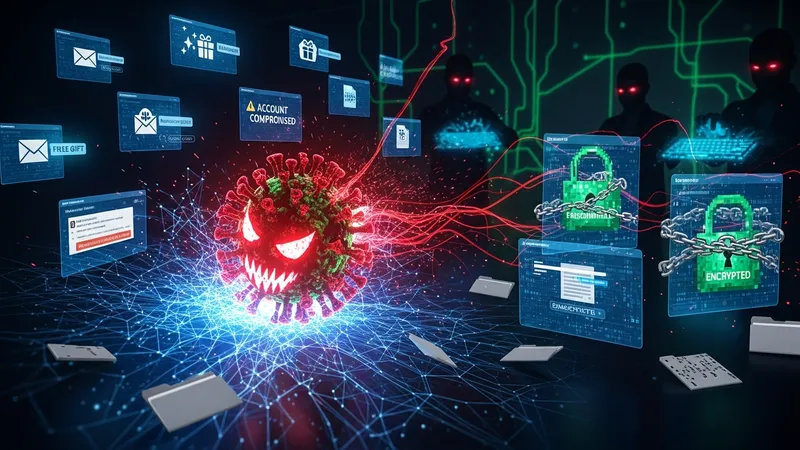
Malware refers to software designed to infiltrate or damage computer systems, typically without user consent. It may include viruses, worms, spyware, or ransomware. Malware often spreads through email attachments, software downloads, or compromised websites, potentially compromising device functionality or stealing sensitive information.
Phishing attacks attempt to trick individuals into revealing confidential information such as passwords or financial details by masquerading as trustworthy entities in electronic communications. These attacks can use email, text messages, or social media and are often tailored to imitate legitimate sources, complicating detection.
Ransomware is a type of malware that encrypts data on affected devices, with the attacker demanding payment to release access. While commonly associated with financial motivations, it can disrupt business operations and lead to data loss. Response strategies typically involve data backups and incident response plans to mitigate impacts.
Preventive measures in cyber security encompass technical controls, operational policies, and user behavior management intended to limit exposure to risks. These measures often operate in conjunction with technological tools and organizational practices to create defense-in-depth systems.

Network security measures may include implementing firewalls and virtual private networks (VPNs) to safeguard data transmission. Encryption technologies can protect data confidentiality both at rest and in transit. Access control mechanisms, such as multi-factor authentication, also provide additional layers of identity verification.
Organizational policies often define standards for data handling, software updates, incident reporting, and employee education. These frameworks are intended to reduce the likelihood of breaches resulting from human error or inadequate procedures. Regular security audits and assessments can help identify vulnerabilities and compliance gaps.
Technology tools, such as security information and event management (SIEM) systems, assist in continuous monitoring and analysis of security events. Such platforms can aggregate data from multiple sources and generate alerts for suspicious activities, facilitating timely responses.
Cyber threats can have varying impacts, depending on the nature of the attack and the entities involved. For individuals, risks include financial loss, privacy invasion, and unauthorized use of personal information. Identity theft is a common concern, where attackers misuse stolen data for fraudulent activities.

Businesses and organizations may face operational disruptions, financial costs from incident response and recovery, reputational damage, and potential legal consequences. Data breaches that expose customer or employee information can lead to regulatory scrutiny, especially under data protection laws applicable in various jurisdictions.
Small and medium-sized enterprises might be particularly vulnerable due to limited resources for implementing comprehensive cyber security measures. Conversely, larger organizations often invest in specialized teams and technologies to manage complex security environments.
The broader digital ecosystem may experience cascading effects when cyber incidents compromise critical infrastructure or disrupt supply chains. Understanding these potential consequences underscores the importance of integrated risk management approaches across sectors.
Several internationally recognized frameworks provide structured approaches for managing cyber security risks. These include guidelines and standards that organizations may adopt to establish consistent security practices. Frameworks typically encompass risk assessment, control selection, monitoring, and continuous improvement.

The National Institute of Standards and Technology (NIST) Cybersecurity Framework, for example, outlines core functions such as identify, protect, detect, respond, and recover. While primarily developed in the United States, its principles have influenced practices globally. Organizations may adapt such frameworks to local regulatory contexts.
ISO/IEC 27001 is an international standard specifying requirements for establishing, implementing, maintaining, and continually improving an information security management system (ISMS). This standard encourages systematic risk management and integration of security processes within organizational operations.
Effective cyber security management often relies on combining technical controls with organizational policies and user education. Periodic training and awareness programs can support personnel in recognizing and appropriately responding to cyber threats. Continuous evaluation and adaptation are necessary to address evolving risks in digital environments.