
Townhouses in Dubai refer to attached or semi-attached multi-story residences situated within larger community developments. These homes are constructed with distinct architectural styles and often share a unified design language reflecting the overall character of their neighborhoods. Each townhouse is designed to offer a blend of privacy and communal living, with private entrances and direct street access, while frequently sharing certain amenities with other residents in the community.
The planning and development of Dubai townhouses typically consider modern lifestyle preferences, including the integration of landscaped open spaces, community facilities, and proximity to essential services. Common features may include private gardens, terraces, and balconies, as well as accessibility to communal swimming pools, sports courts, and children's play areas. Such arrangements provide residents with a cohesive living environment that balances individual space with a sense of collective neighborhood identity.
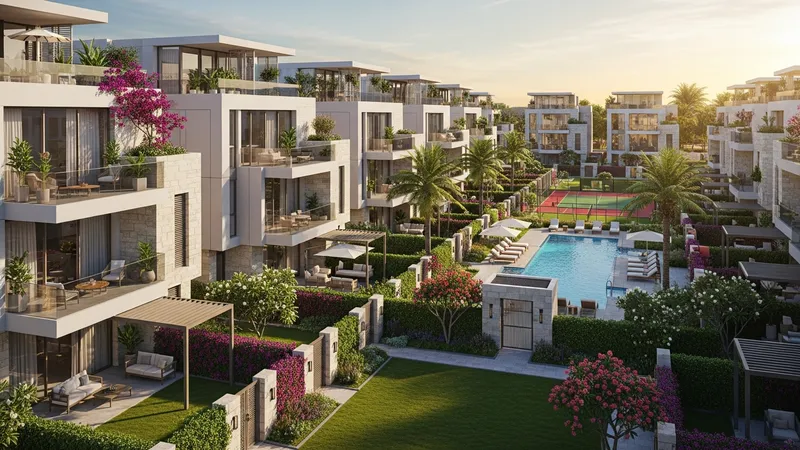
Dubai’s townhouse communities can be compared to urban villa arrangements elsewhere, though they often emphasize denser layouts and greater connectivity through thoughtfully designed common areas. The multi-level structure of these homes may appeal to residents seeking separate spaces for various functions or family members. Furthermore, developments often adopt architectural themes ranging from contemporary to Mediterranean, contributing to a diverse cityscape and a range of living experiences.
Typical townhouses in Dubai are situated within larger residential clusters managed by property maintenance associations. These associations commonly oversee essential services such as landscaping, security, and facility upkeep. As a result, homeowners and tenants can benefit from well-maintained communal environments without the responsibilities typically associated with standalone houses.
One key aspect observed in Dubai townhouse design is the inclusion of both private and shared outdoor spaces. Residents may have access to their own courtyards, patios, or rooftop terraces, while also enjoying shared gardens, walkways, and recreation zones. This balance may help foster both individual retreat and neighborly connections within the same environment.
Dubai’s climate and urban layout play a role in shaping townhouse features. Developers often incorporate energy-efficient materials, shaded outdoor areas, and ventilation solutions to adapt to high-temperature conditions. The interconnected nature of townhouse communities can also encourage walking and reduce car reliance, aligning with broader sustainability trends in urban planning.
In summary, Dubai townhouses represent a distinctive residential format that combines private multi-level homes with access to thoughtfully planned community amenities. The next sections examine practical components and considerations in more detail.
Dubai townhouses are characterized by architectural elements aimed at maximizing functional space within the available plot size. The use of vertical construction, incorporating multiple floors, allows for clear division between social and private zones. Living and dining areas are typically found on the ground level, while upper floors house bedrooms and additional family spaces. This separation can provide privacy and facilitate diverse household routines within a unified structure.
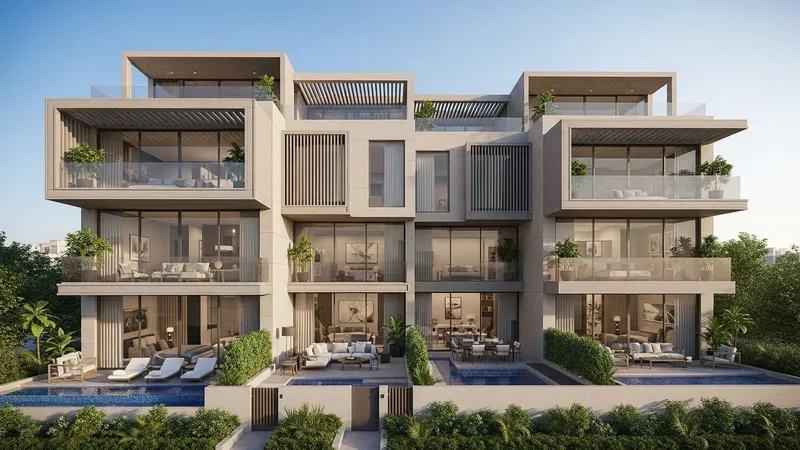
Design considerations may prioritize natural light and ventilation. Larger windows, sliding glass doors, and open-plan layouts are common, enhancing the sense of spaciousness. Many developments also include shaded balconies or terraces to provide comfortable outdoor living spaces, especially important in regions with warm climates. The layout often adapts to local environmental factors, with energy efficiency considered in material choices and orientation.
Townhouses in Dubai are usually attached in clusters, sharing external walls with neighboring homes. Shared structural elements help improve land use efficiency and can also contribute to thermal insulation, supporting comfort and sustainability initiatives. Despite the attached design, each residence maintains a distinct entrance and, frequently, a small private outdoor area belonging exclusively to the household.
Architectural styles across townhouse projects vary, with influences ranging from minimalist contemporary designs to Mediterranean and Arabic motifs. Facades, landscaping, and decorative details are often regulated by community guidelines to maintain neighborhood cohesion. Such variety allows residents to select environments that may align with their lifestyle preferences without compromising on the central features found in most Dubai townhouse communities.
A central appeal of townhouse living in Dubai may stem from extensive community amenities. Many developments include recreational facilities such as swimming pools, gyms, and clubhouses that are accessible to all residents. Landscaped parks and walking trails are also common, promoting outdoor activity while contributing to the visual aesthetics of the environment.
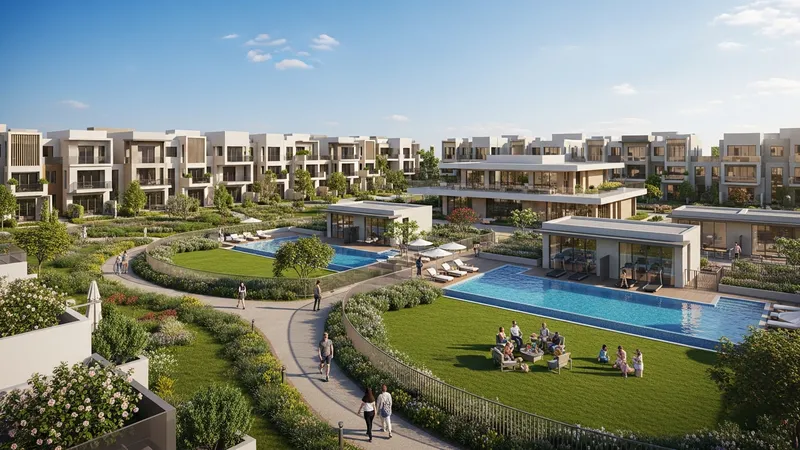
Shared security measures are typical within townhouse communities, often using controlled gate access and surveillance systems. Community management teams tend to oversee these elements, creating an organized and predictable residential experience. The presence of designated areas for children’s play, meeting rooms, or barbecue spots can further support residents' social and recreational needs.
Townhouse communities are often situated close to retail centers, schools, and healthcare facilities. This integration enables residents to reach essential services within a short distance, reducing the need for long commutes. Developments may also feature dedicated commercial zones or convenience stores within walking distance, streamlining everyday activities.
The scale and nature of amenities offered may differ based on the neighborhood and the development’s management approach. Some communities are expansive, with amenities that cater to a wide array of household needs, while others are designed more exclusively with focused services for a smaller group. These variations allow for a range of experiences while maintaining the fundamental aspects of townhouse living in Dubai.
The interior arrangement of Dubai townhouses usually emphasizes efficient utilization of available floor space. Many designs include open-plan living and dining areas, which can make homes feel larger and promote flexibility in furniture arrangement. Kitchens are generally integrated on the ground floor, sometimes featuring direct access to the dining space or backyard for convenience.
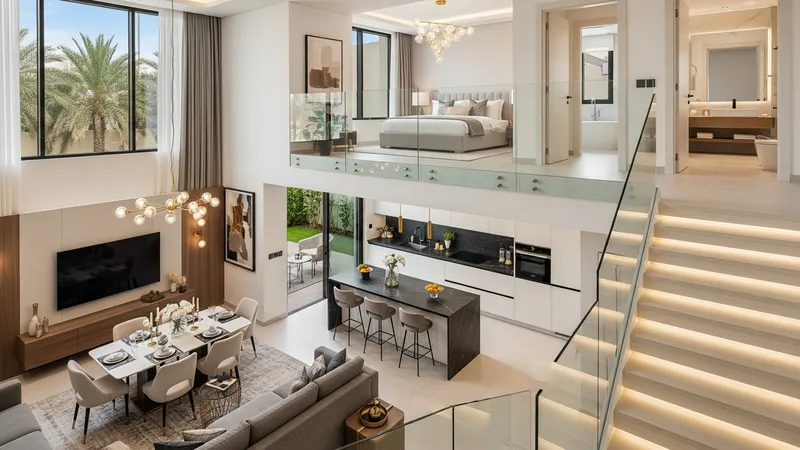
Bedrooms are generally distributed across the upper floors and designed to provide residents with quiet, private spaces. Master bedrooms may include en-suite bathrooms and walk-in closets, while secondary bedrooms are arranged to suit families or shared living scenarios. Bathrooms and storage areas are strategically placed throughout the house for functionality and privacy.
Additional features often found in Dubai townhouses include balconies, roof terraces, and shaded garden spaces. These elements provide usable outdoor areas for various activities, reflecting the importance of both indoor and outdoor living. Storage rooms, utility spaces, and private parking are also commonly included to support diverse household needs.
Interior finishes and fittings in townhouses can range widely across developments, with options for both contemporary and traditional aesthetics. Some residences offer smart home technology, integrated lighting systems, and energy-saving appliances, aligning with evolving preferences in comfort and sustainability. Customization is often possible within the constraints of community guidelines, allowing some degree of personalization.
The day-to-day experience in a Dubai townhouse is typically shaped by the community’s planning and the home’s layout. Residents often benefit from a blend of privacy within their multi-level units and opportunities for social interactions in shared community areas. The presence of communal amenities aims to foster interactions among neighbors, contributing to a sense of community that may appeal to various household types.
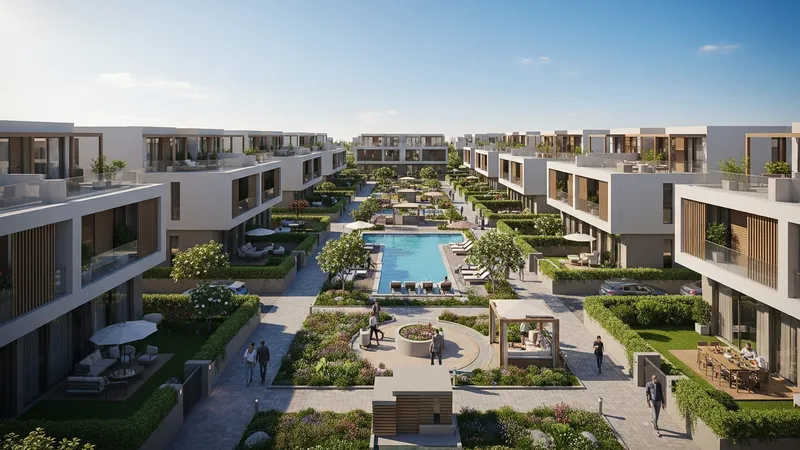
Security and maintenance services, managed by professional associations, typically play a significant role in residents’ lifestyles. Regular landscaping, scheduled facility upkeep, and security patrols are common, contributing to the orderly atmosphere observed in many townhouse developments. This can support peace of mind and allow residents to focus on personal and recreational pursuits.
Families, working professionals, and individuals seeking low-maintenance suburban living may find townhouses offer a combination of autonomy and community connection. The typical integration of green spaces and pedestrian areas encourages outdoor activities and social engagement without necessitating travel to distant city parks or entertainment zones. Many residents appreciate the structured environment and the sense of belonging fostered by such communities.
Townhouse living in Dubai is often associated with adaptable interior layouts and easy access to urban conveniences. This residential format can accommodate changing household needs and preferences, such as remote work or intergenerational living. While experiences may vary by neighborhood and development, the core structure and planning of Dubai townhouses are designed to provide a balanced and practical residential environment.