
Detecting early foundation damage in buildings typically involves observing common indicators that may signal structural shifts beneath a property’s base. Homeowners and property managers often monitor for signs that the foundation could be experiencing stress or settling. These indicators, appearing inside or outside of homes, may offer the first clues that structural attention is advisable. Early recognition may assist with prioritizing formal evaluations by professionals and may limit the scope of any remedial action required.
Common warning signs of foundation concerns are usually subtle and can include small cracks, doors or windows that begin to stick, or floors that develop uneven areas. Observing these features does not conclusively mean foundation failure, but they are recognized by engineers and inspectors as initial patterns that could merit further investigation. Environmental factors, local soil composition, and building age may all influence how and when these signs emerge.
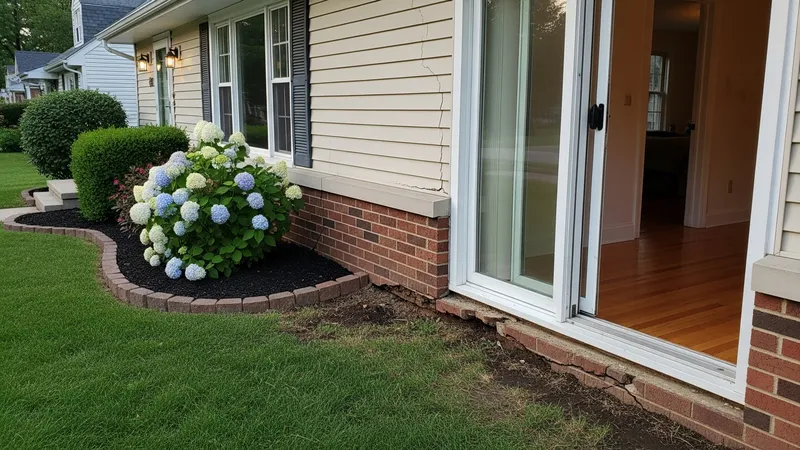
Physical cracks, whether hairline or more prominent, are among the earliest and most visible signs. These may appear along interior drywall, exterior brickwork, or in the exposed portion of the foundation itself. The pattern and location of these cracks can help structural professionals assess the nature of any underlying movement, though surface cracks do not always indicate structural failure.
Floors can become uneven for reasons other than foundation issues, but persistent or worsening slopes often correspond to settlement or soil movement beneath a building. Modern inspection tools may help quantify such slopes, supporting more precise assessment. Uneven floors are particularly common in regions with expansive clay soils or in older homes where support systems may have aged.
The operation of doors and windows can be a useful practical check, as frames may deform if the building shifts. Consistently sticky or misaligned openings are noted in many professional inspection routines as one possible surface manifestation of foundation movement. These issues tend to develop gradually and can be monitored over time for any progression.
The presence of any of these indicators does not automatically confirm a foundation problem. Many factors, including seasonal variations and minor settling, could lead to similar observations. Nonetheless, consistently monitoring for these changes may permit a timely inspection before more serious conditions develop. The subsequent sections examine practical components and considerations in more detail.
Foundation damage indicators in residential and commercial properties can typically be grouped into several observable categories. These include visible physical changes, functional issues within the structure, and environmental influences affecting foundation performance. By understanding the various types, individuals may be better equipped to notice early deviations from normal building conditions.
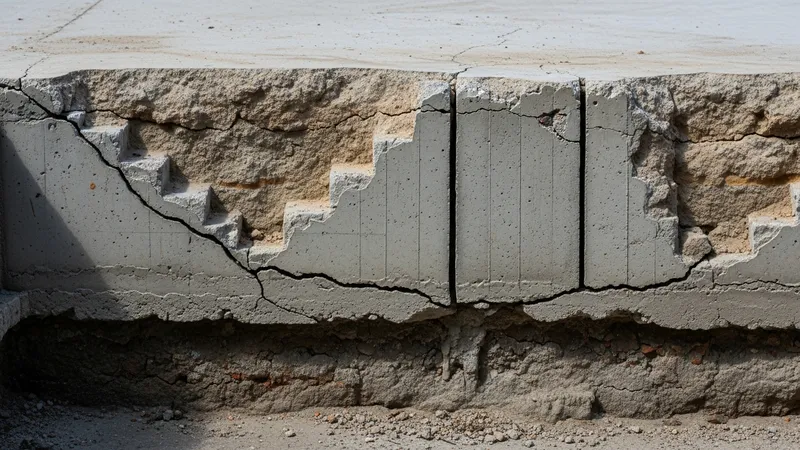
Physical changes often manifest as cracks or separations in key structural areas. Cracks may develop in different patterns depending on the type, age, and material of the building’s foundation. Stair-step cracks in masonry, for example, may indicate movement distinct from the straight or vertical cracks seen in poured concrete bases. The size, direction, and frequency of these cracks often inform the type of further investigation pursued.
Functional changes—such as doors or windows that no longer open smoothly, or uneven flooring—may occur with minimal visible cues elsewhere in the structure. These changes are sometimes detected during routine household use before any visual indication is apparent. Floors that creak or doors that tend to swing or jam can all suggest gradual foundation movement.
Environmental influences may also prompt observable changes related to foundation condition. Water pooling near the building, improper grading, or the growth of nearby tree roots can all affect the stability of a foundation over time. Elevated humidity or dampness in basements may additionally serve as indirect signaling of below-grade foundation stress or moisture ingress. Understanding these categories encourages ongoing, mindful observation of building performance.
Inspection for foundation damage indicators often involves a blend of DIY monitoring and professional evaluation techniques. Homeowners in the United States may utilize simple tools, such as a level or measuring tape, to track subtle floor changes or wall separations over designated intervals. Recording the width, length, and direction of any emerging cracks in a dedicated log can help compare changes and determine if the situation typically warrants a specialist review.
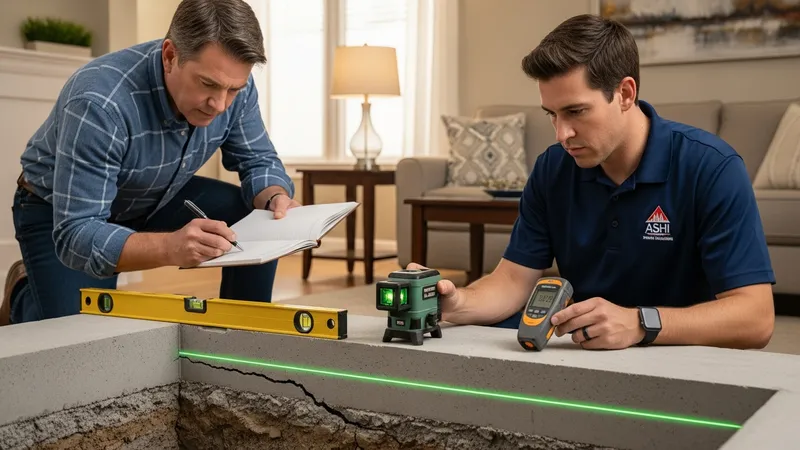
Licensed home inspectors certified in structural assessment, such as members of the American Society of Home Inspectors (ASHI), commonly deploy additional tools. These may include laser levels for floor analysis and moisture meters for detecting underlying leaks or elevated humidity. The integration of comprehensive inspection reports with photographic evidence may assist in identifying patterns of progression or stability in foundation-related signs.
Professional engineers may be consulted in instances where initial findings raise concerns about structural safety. Their assessments often include additional soil tests, analysis of house plans, and recommendations for monitoring. Engineers may advise periodic re-inspections at set intervals to distinguish between normal settlement and structural compromise. In the United States, structural engineering consultations may range in cost from approximately $350 to $700, depending on the complexity of the case and location.
While straightforward inspection methods may suffice in routine situations, identifying early warning signs is a process best informed by both consistent visual checks and access to objective measurement tools. When subtle changes are observed, it is standard practice to track these signs over time under the guidance of building maintenance or inspection professionals.
The emergence of early warning signs for foundation damage is often linked with both environmental and architectural factors. Soil composition around homes in the United States can vary significantly, with expansive clay soils being particularly prone to swelling and contraction from changes in moisture levels. These soil dynamics frequently influence shifts or settling of the foundation, thus elevating the possibility of associated warning signs manifesting.

Rainfall patterns and local drainage conditions are also critical elements. Regions that experience heavy seasonal precipitation may see a greater frequency of moisture-induced stress on foundations. Inadequate drainage systems or improperly sloped landscaping may direct water toward foundation walls, exacerbating cracking or moisture entry issues. Monitoring external grading and maintaining clear gutters can be helpful preventive considerations.
Building design choices, material selection, and construction era can determine sensitivity to foundation movement. Older properties, particularly those constructed before widespread use of reinforced concrete, may be especially susceptible to shifting. The prevalence of basements in certain U.S. regions also introduces unique risk factors, as sub-grade construction may be affected by groundwater and hydrostatic pressure.
Tree root systems, especially those of mature species planted close to structures, can extract significant moisture from soils or physically disturb foundation elements. In some U.S. municipalities, local ordinances recommend spacing trees a minimum distance from house foundations, which may decrease the propensity for soil shift and subsequent foundation movement. Regularly assessing surrounding vegetation and water management practices supports awareness of these risk factors.
When early indicators of possible foundation stress are detected, maintaining clear records of their development typically becomes an essential step in ongoing building care. Documentation may consist of photographs, written logs, and periodic measurements. Tracking changes over time enables property owners or professionals to discern whether damage is progressing or remaining stable, informing the need for further investigation.

Routine property checks, particularly after events such as substantial rainfall or observable settlement, may help highlight new or advancing warning signs. Home inspectors and contractors in the United States often advise non-invasive monitoring before any structural modifications are made. This approach helps prevent unnecessary interventions while ensuring that significant changes are recognized promptly.
If professional evaluation is sought, it is typical for structural engineers to provide recommendations tailored to the property’s unique situation. Interventions may include adjustments to drainage, moisture control measures, or reinforcement of problem areas. These recommendations, based on careful analysis, reflect the wide variety of potential solutions utilized across different building types and soil conditions in the United States.
Early detection of foundation changes may reduce the likelihood of extensive repair needs later. Maintaining awareness of possible physical, functional, and environmental signals is considered an essential aspect of responsible building management. While not every sign indicates immediate risk, ongoing assessment—supported by records and, when appropriate, by licensed professionals—can contribute to a proactive approach to property upkeep.