
Flexible working arrangements have become a defining characteristic of the modern economy, with independent professionals and emerging businesses frequently seeking environments that cater to collaborative and remote work preferences. Co-working spaces are shared, professionally managed offices designed to serve individuals and small teams who do not require traditional business premises. These environments aim to provide a blend of social infrastructure, business-grade amenities, and adaptable usage options, supporting a wide range of working styles without long-term commitments.
This trend reflects evolving attitudes toward workplace culture and resource allocation. For freelancers, co-working spaces can mitigate the isolation sometimes experienced when working from home, offering structured space for focused work and the opportunity to interact with peers. Startups often use co-working models to balance professional image with cost-conscious scaling. The flexibility to rent desks or offices for days, weeks, or months suits these users, allowing them to match space to workflow and budget as required.
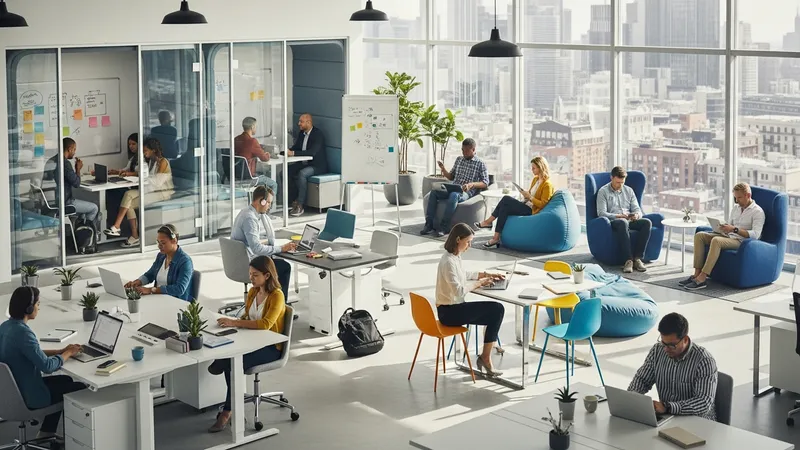
Co-working spaces may contribute to reduced overhead for new ventures and independent professionals compared to traditional office leases. This can enable more flexible budgeting and allow users to direct resources to core activities rather than facilities maintenance. For many, this adaptability is a major consideration in choosing shared workspaces over conventional options.
Community events and professional development opportunities are regularly organized within co-working environments, which can support networking and skill growth. Many freelance workers and early-stage entrepreneurs participate in workshops, meetups, or industry talks arranged by co-working managers or members. These offerings are typically considered supplementary and may vary by location and operator.
Technological infrastructure in co-working spaces, such as business-grade internet and printing capabilities, can reduce barriers that freelancers and entrepreneurs often face when setting up individual offices. Standardization of such services makes it easier to focus on work output, rather than logistics, although users should verify specifics at each facility to ensure they meet project needs.
The flexibility and structure that co-working spaces may offer make them a significant component in the evolving landscape of independent and entrepreneurial work. As remote work practices continue to develop, examination of services, community features, and typical arrangements in shared offices remains an ongoing topic in business research. The next sections examine practical components and considerations in more detail.
Individuals and startups utilizing co-working spaces engage in multiple work arrangements, reflecting their specific requirements and operational patterns. Some professionals opt for hot desks for casual, intermittent use, while others maintain dedicated private offices for ongoing projects or team-based endeavors. Virtual office memberships are selected by those who principally operate remotely but value having a business address and periodic meeting access.
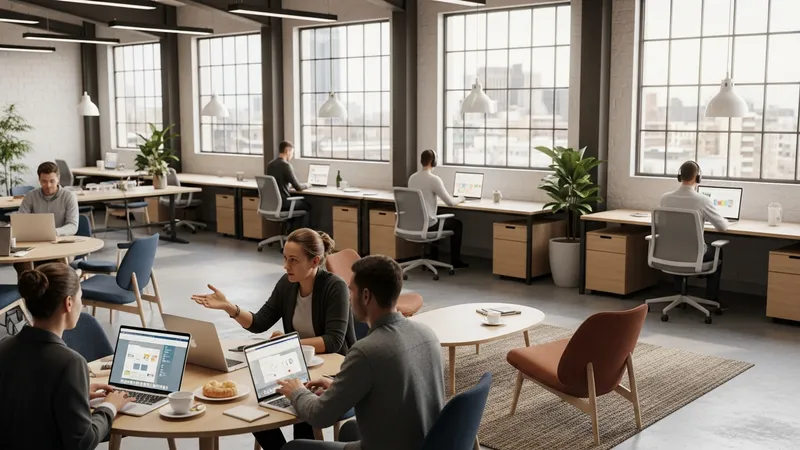
Hot desk arrangements typically appeal to freelancers who may work from various locations or require short periods of in-person office access. The absence of fixed seating fosters flexibility and allows users to adjust their workspace use on a daily or weekly basis. For startups, such arrangements allow team members to interact without the need for formal offices, particularly in early development phases.
Private office rentals within co-working spaces can accommodate growing teams that benefit from enhanced privacy and security. Startups transitioning from remote-only structures may utilize these offerings to consolidate operations, access meeting rooms, and create a defined work environment. These rentals often include support services such as reception, postal handling, and sometimes IT assistance.
Virtual office services support those who do not need physical attendance but require a professional identity. Freelancers expanding into new markets and startups piloting digital-first models often use these services to register a business address, organize mail forwarding, and occasionally book workrooms. This arrangement typically suits personnel who travel or operate with distributed teams.
Co-working space providers usually offer multiple pricing models to align with the variable needs of individual professionals and small businesses. Pricing for hot desk memberships is generally structured as daily or monthly rates, with users able to pay according to their anticipated frequency of visits. These arrangements may appeal to those whose workflows fluctuate over time or who value budget predictability.
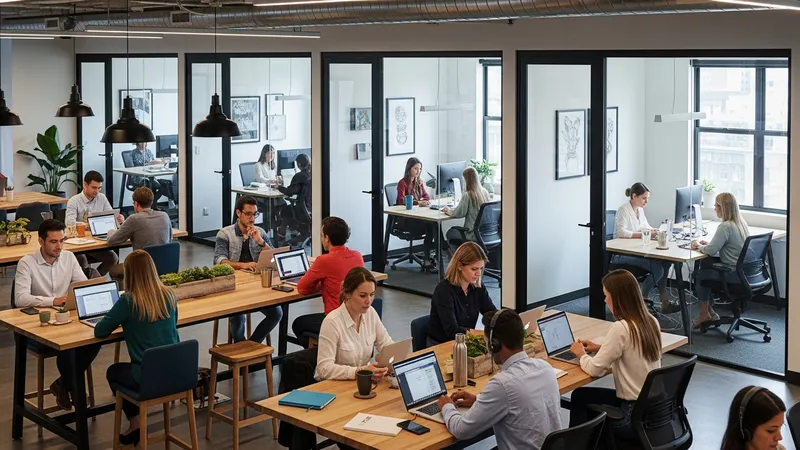
Those requiring privacy or consistent space typically encounter higher fees for private office rentals. The cost often reflects additional features such as secure access, furnishings, and exclusive meeting room credits. Pricing for dedicated spaces may be presented on a per-person or per-office basis, and may include extra charges for specialized services such as locker use or advanced telecommunication systems.
Virtual office packages typically advertise base rates for core services—such as mail handling or the use of an official address—with optional extras like meeting room time or phone answering. These services may be bundled or supplied on a pay-as-you-go model. For freelancers or startups with international or distributed operations, this flexibility allows selective use of physical and administrative resources.
Memberships in co-working spaces can sometimes be adjusted without long-term contracts, accommodating the growing or contracting needs of startups. This contrasts with traditional office leasing, where multiyear commitments and fit-out costs are common. Co-working models may enable more responsive financial planning, though users are advised to review terms and consider potential changes in workflow or team size.
One of the defining attributes of co-working spaces for freelancers and startups is access to a professional community. Shared physical environments can encourage interaction among people from different sectors, allowing for informal networking and knowledge exchange. Many co-working operations schedule regular gatherings, presentations, or social events that build relationships beyond transactional office use.

These communities can facilitate collaboration, such as partnering on projects or referring work between members. The presence of peers facing similar professional challenges may offer additional informational value, with some users reporting benefits from spontaneous conversations or mentorship exchanges. However, the degree of community engagement varies by space and individual working preferences.
For early-stage startups, being part of a co-working community may provide visibility and feedback as new products or services are developed. Access to a mix of disciplines—such as design, technology, and marketing—can create practical synergies. Freelancers may also use community forums to stay informed about industry trends or to find subject-matter experts within the shared workplace.
Some co-working spaces maintain online platforms or discussion boards, supplementing physical interactions with digital communication. Startups and freelancers using these resources may find opportunities to join special interest groups or participate in skill-sharing initiatives. Participation is typically optional, and the scale of these features can differ by provider.
The landscape of co-working spaces is poised for continued evolution, influenced by advances in technology, global work trends, and changing user needs. Flexible leasing models and expanded access to digital infrastructure are expected to shape how freelancers and startups select and use shared environments. Many providers are adopting new technologies for access control, collaboration tools, and space management systems to streamline use and improve user experience.
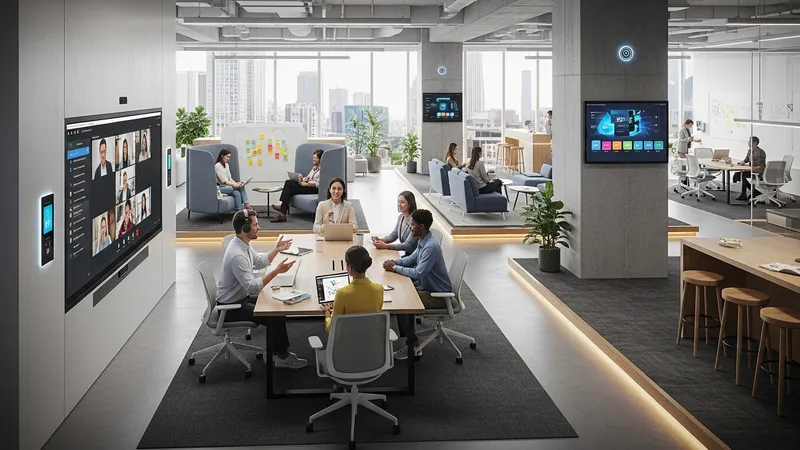
Growing interest in hybrid work arrangements—blending remote and in-person activity—is prompting co-working operators to reconsider space allocation, amenities, and scheduling systems. Flexible options that combine physical workspace with virtual services, such as online community forums or virtual receptionist solutions, may become standard features in response to user demand.
Some predictions for the future of co-working include the emergence of more specialized spaces, tailored around particular industries or professional interests. These could offer targeted resources, such as creative studios or tech labs, to support innovation among freelancers and startups. Such developments are typically monitored for compliance with professional standards and changing regulatory expectations.
As the use of co-working spaces becomes more widespread, studies may increasingly focus on measuring their impact on productivity, collaboration, and business outcomes for freelancers and startups. The flexibility and resource-sharing inherent in these environments are likely to remain defining characteristics, influencing how independent professionals and new ventures approach their workspace needs.