
International debit cards allow individuals to make electronic payments and withdraw cash in foreign countries using funds from their domestic bank accounts. These cards are typically part of global payment networks, enabling their use at many points of sale (POS) terminals, ATMs, and online merchants around the world. Transactions made with such cards are usually processed in the local currency of the merchant or ATM, while the cardholder’s account is debited in their home currency. The operational framework involves real-time communication between the cardholder’s financial institution and the international processing network, integrating fees, exchange rates, and security protocols to ensure cross-border compatibility.
When utilizing a debit card outside the home country, the payments undergo automated currency conversion, subject to rates determined by the payment network or issuing bank. This process often involves additional fees such as foreign transaction charges, currency conversion margins, and ATM operator fees. International debit cards are distinguished by acceptance logos (such as Visa or Mastercard), which indicate worldwide usability. The underlying network facilitates authorization, settlement, and reconciliation, ensuring funds move securely from the cardholder to the designated recipient or merchant.
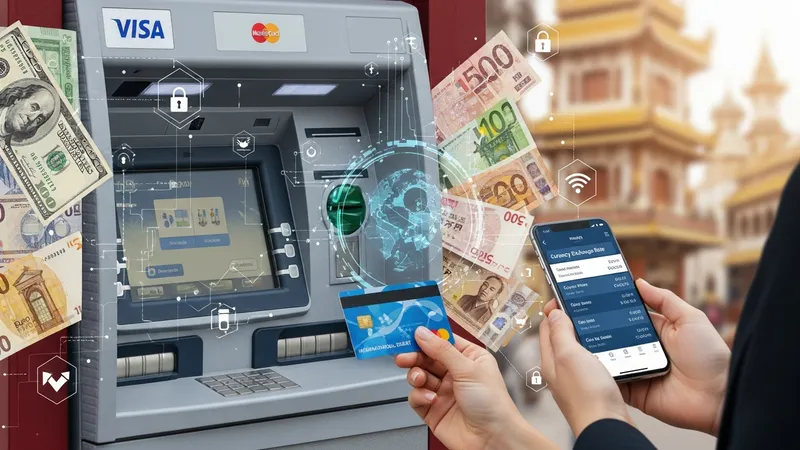
International debit cards can simplify spending and cash withdrawals across borders by offering automated currency conversion and integrated authorization systems. Users typically benefit from ease of access to their domestic funds without carrying physical cash or exchanging currency in advance. Acceptance is usually governed by the global payment network; merchants and ATMs displaying the network logo may accept these cards, making their usability generally wide-reaching, though some exceptions can exist depending on the region or type of card.
One important aspect is the total cost structure, which may consist of a combination of fees. Issuing banks might levy foreign transaction fees, which can be a percentage of the purchase amount, while network operators may apply their own currency conversion charges. Some ATM operators may also charge withdrawal fees, so the overall cost of using an international debit card can vary based on the circumstances of each transaction and the policies of the individual financial institution.
Security protocols are an integral component of international debit card usage. Many cards offer features such as chip-and-PIN verification, transaction notifications, and fraud monitoring, particularly for foreign transactions. The responsibility for lost or unauthorized use often depends on the issuer’s specific terms, so users are generally encouraged to stay informed about their card’s security features and liability structures.
The technological and regulatory frameworks underpinning international debit card systems are designed to support compliance with cross-border financial standards and anti-fraud regulations. Card networks, banks, and payment processors typically coordinate to meet international requirements for authentication, reporting, and dispute resolution. These measures may help ensure the reliable and lawful use of debit cards in global contexts.
To summarize, international debit cards provide a channel for accessing funds worldwide, enabled through globally recognized networks, automated currency conversion, and structured fee systems. The following sections examine practical components and considerations in more detail.
International debit cards are equipped with features intended to facilitate cross-border usability while addressing security and compliance considerations. One prominent capability is the real-time conversion of currencies during purchases or withdrawals, allowing cardholders to transact in the local currency wherever the network is accepted. Typically, funds are deducted directly from the linked bank account, which can improve transparency by reflecting transactions almost immediately.
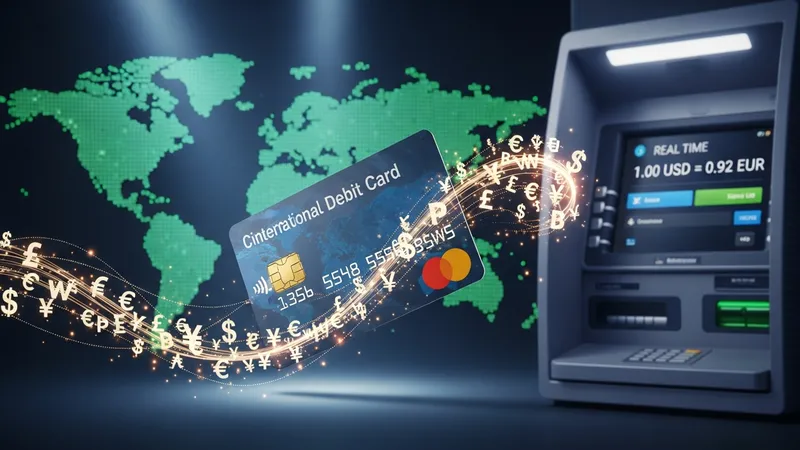
Card technology may include both magnetic stripe and EMV chip interfaces to ensure compatibility across various POS terminals globally. EMV chips offer enhanced security by generating unique transaction codes, reducing the likelihood of unauthorized use. This global adoption of EMV standards is part of ongoing efforts to limit fraud and provide secure usage in diverse international environments.
Another core feature is the connection to global payment networks. These networks, such as Visa, Mastercard, or Maestro, enable cards to communicate with financial institutions worldwide. This generally means cardholders can access numerous ATMs and merchants across different countries, though local restrictions or sanctions may occasionally affect acceptance in certain regions or sectors.
Usage limitations can exist based on bank policies, including caps on daily withdrawal amounts or restrictions on overseas transactions to prevent unauthorized activity. Cardholders may benefit from reviewing or adjusting these limits prior to travel, and some financial institutions offer options to temporarily modify restrictions to accommodate expected international use.
When using an international debit card abroad, transaction amounts in local currencies are converted into the cardholder’s domestic currency. The currency conversion rate is typically determined by the card network or issuing bank and often differs from standard market exchange rates. These rates may change frequently and impact the final amount debited from the account.
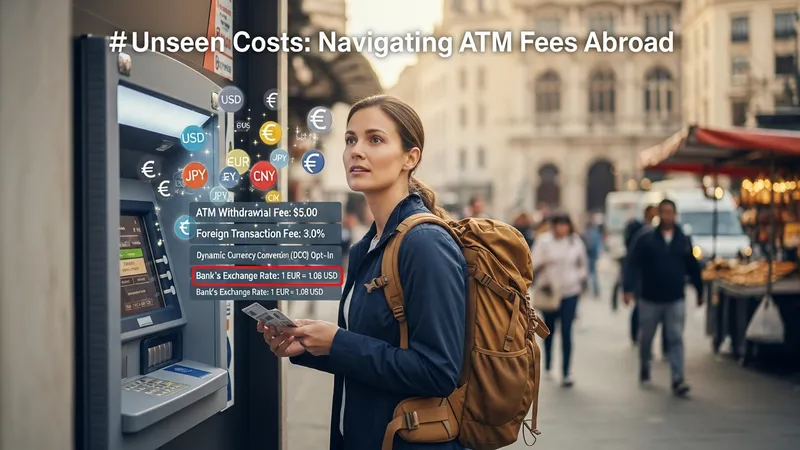
Fees associated with international debit card transactions can include foreign currency conversion charges, foreign transaction fees (usually a percentage of the purchase amount), and ATM operator fees. Some banks incorporate these charges as bundled percentages, while others display individual fee components. The cumulative effect of these costs may render foreign transactions more expensive than domestic usage.
In addition, some merchants and ATMs offer dynamic currency conversion, allowing cardholders to select whether the transaction occurs in local currency or their home currency. While this service provides price visibility, its exchange rate may include additional markups. Cardholders may wish to verify the rate presented before deciding which currency to select during a transaction.
Disclosure practices for fees and currency exchange rates may vary by institution and market, but most banks make relevant information accessible through official documentation or web resources. Understanding these factors can help cardholders anticipate the total costs likely to be associated with international debit card usage.
Security is a key concern when making global transactions with debit cards. Most issuers implement multifactor authentication, chip technology, and continuous transaction monitoring to help prevent unauthorized use. Notifications for international activity may be sent to the account holder by SMS or email, offering an early warning mechanism in case of suspicious transactions.
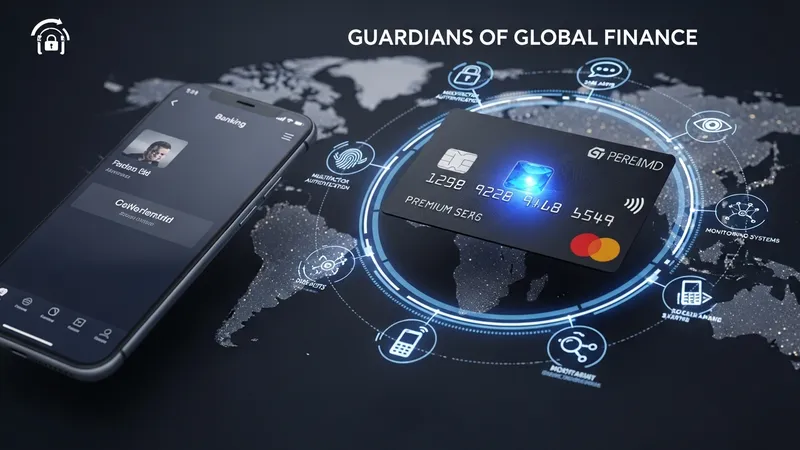
Many banks offer the ability to block or temporarily freeze cards through online banking portals or mobile applications. These features can be useful if a card is lost or suspected to be compromised abroad. It is typical for issuers to provide customers with access to emergency support services for lost or stolen cards, although access and procedures may differ between institutions.
Cardholder liability for unauthorized usage often depends on the speed of reporting a lost or stolen card and the issuer’s policy. Some banks cap liabilities provided prompt notice is given, but exact terms are usually outlined in the cardholder agreement. Users may benefit from reviewing these documents to understand protections and any potential limitations during international travel.
To manage risk, financial institutions engage in ongoing oversight and may adjust parameters such as spending limits or require additional authentication for foreign transactions. This proactive monitoring is designed to balance security with functional access, supporting safe use of debit cards in global contexts.
Acceptance of international debit cards can be widespread, particularly within regions covered by major payment networks such as Visa, Mastercard, or Maestro. Merchants and ATMs display the relevant logos to indicate compatibility, allowing cardholders to determine usage options when abroad. However, acceptance levels may vary based on local banking infrastructure and network arrangements.

Certain countries or regions may have limitations on foreign-issued card acceptance, impacted by regulatory factors or technical limitations. Some smaller merchants or rural locations may accept only domestically issued cards or cash, making it important for travelers to verify acceptance if visiting less urbanized areas. Online acceptance also varies, with some international e-commerce sites supporting only specific network cards.
Global payment networks are continuously expanding, integrating with emerging technologies such as contactless payments and mobile wallets. These developments may improve the convenience and reach of debit card usage for international transactions, though actual compatibility depends on support from local providers and merchants.
Ongoing collaboration among banks, payment processors, and regulatory authorities aims to standardize acceptance protocols, increasing reliability for cardholders. Nevertheless, carrying alternative payment methods alongside an international debit card may provide additional flexibility in situations where acceptance is uncertain or temporarily disrupted.