
Non-invasive fat reduction refers to a collection of techniques designed to target and diminish localized fat deposits without the use of surgical incisions. In the United States, these methods commonly use controlled energy sources such as cold, heat, ultrasound, or radiofrequency to disrupt fat cells under the skin. The primary goal is to reduce the appearance of excess fatty tissue, often in areas like the abdomen, flanks, thighs, or arms. These approaches are frequently performed in outpatient settings and do not require anesthesia or significant post-procedure downtime.
Such fat reduction strategies operate by selectively affecting adipose tissue while ideally sparing the surrounding skin and structures. The impacted fat cells are then processed by the body’s lymphatic system over time. Unlike surgical liposuction, non-invasive procedures typically involve less disruption to the surrounding tissues, but the effects may develop gradually following multiple sessions. Individuals considering these methods in the United States typically do so for cosmetic contouring rather than as a substitute for weight loss or healthcare advice.
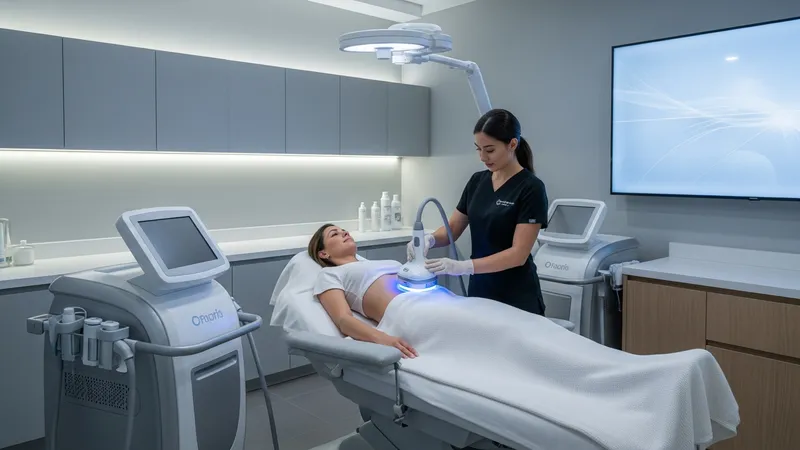
Non-invasive procedures may appeal to U.S. patients who wish to address specific areas of stubborn fat accumulation but are not seeking surgical solutions. These methods do not treat obesity or serve as a replacement for healthy diet and exercise habits. Clinical suitability typically depends on a person’s overall health, treatment goals, and medical evaluation by an appropriately trained provider.
One of the noted advantages of non-invasive fat reduction options in the United States is reduced procedural downtime. Sessions often last from 30 minutes to an hour, and many individuals return to normal activities shortly after treatment. However, results can vary, and multiple appointments may be recommended for optimal effect.
All FDA-cleared non-invasive fat reduction devices in the United States undergo regulatory review for device safety and intended use. While the procedures are generally perceived as safe when performed by qualified professionals, some side effects such as mild swelling, redness, or tenderness at the treatment site may occur. Patients are encouraged to discuss health history, expectations, and potential outcomes directly with their provider.
Ongoing developments in device technology and technique contribute to the evolving field of non-invasive body contouring. Many U.S.-based aesthetic practices offer these services, and published patient satisfaction rates can be influenced by a variety of personal and procedural factors.
In summary, non-invasive fat reduction in the United States offers techniques that aim to address localized fat deposits with minimal disruption to daily life. The following pages will examine practical components and considerations, including how treatments work, safety profiles, and the outcomes individuals may expect.
In clinical practice throughout the United States, cryolipolysis, laser lipolysis, and ultrasound fat reduction are among the most widely implemented techniques for non-invasive fat reduction. Each method employs a different type of energy to target fat deposits underneath the skin. Practitioners select an approach based on clinical protocols, the patient’s unique body composition, and specific treatment goals. The efficiency and experience of these techniques are influenced by advances in device engineering and practitioner preferences.
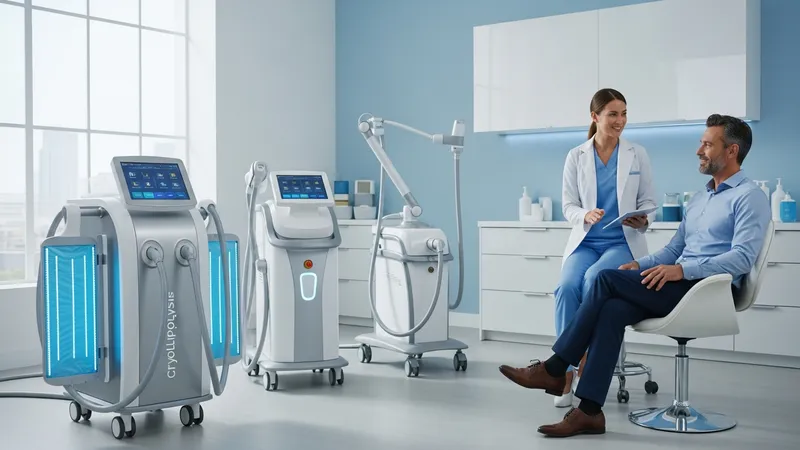
Cryolipolysis, such as the FDA-cleared device CoolSculpting®, employs controlled cooling to crystallize fat cells, which may subsequently be cleared through metabolic processes. Laser lipolysis, with devices like SculpSure®, uses laser-generated heat to disrupt adipose tissue while attempting to maintain comfort and protect adjacent skin. Ultrasound-based devices (UltraShape®, Liposonix®) concentrate focused energy to create cell membrane disruption, leading to gradual fat reduction over weeks to months.
Typical treatment protocols in the U.S. may involve one to several sessions per area, based on a patient’s fat layer thickness and contouring objectives. Sessions are commonly spaced several weeks apart to allow for the body’s natural elimination of treated cells. This incremental process can provide gradual and measurable effects but may require patience and adherence to follow-up schedules.
Non-invasive techniques do not generally require anesthesia or prescription medications; many patients may remain awake and comfortable during procedures. Most American clinics report that individuals typically resume daily activities immediately after their sessions, although minor side effects such as redness or tingling can be temporarily noticeable. The United States regulatory framework requires these techniques to be thoroughly evaluated for safety and device efficacy prior to being introduced to clinical settings.
Safety is a primary focus in non-invasive fat reduction procedures across the United States. The Food and Drug Administration (FDA) reviews and clears devices for the intended use, with oversight to limit risks to the patient. Practitioners providing these options typically undergo device-specific training and must adhere to standardized safety protocols. The presence of board-certified providers and reputable clinics contributes to healthcare oversight in this field.

While procedures are generally perceived to have relatively low complication rates, individuals may still experience localized side effects. Some of the noted minor effects after treatment may include swelling, bruising, temporary changes in skin sensation, or mild discomfort. Serious adverse reactions are considered uncommon but have been documented in the clinical literature, emphasizing why thorough consultations and candid provider-patient communication are important.
Pre-procedural evaluations often include assessment of patient medical history, identification of contraindications such as certain medical conditions, and discussion of realistic expectations. Providers in the U.S. typically require informed consent, which includes education about both the capabilities and potential limitations of the selected fat reduction technique. This dialogue aims to foster transparency and support shared decision-making processes.
The safety profile and post-treatment experience can vary depending on device type, patient characteristics, and provider skill. Continued follow-up and adherence to post-care guidelines—such as avoiding direct heat exposure or strenuous exercise for a short period—may support the overall experience. Patients are encouraged to promptly report any unexpected symptoms to their care teams to ensure comprehensive monitoring.
In the United States, individuals who receive non-invasive fat reduction treatments typically observe changes in body contour rather than substantial weight loss. The magnitude of visible reduction likely varies according to the initial amount of localized fat, type of technology used, and adherence to provider-recommended intervals between sessions. The effects tend to develop gradually, often over the course of several weeks to several months, as the body metabolizes affected fat cells.

Published data from U.S. practices and clinical studies indicate that a reduction in fat layer thickness within the treated area may range between 10% and 25%, depending upon the device and patient-specific features. Most individuals undergo more than one session to incrementally achieve their aesthetic goals. Full results are often assessed around the 12 to 16-week mark following the last treatment, although timeframes can vary.
It is generally communicated that non-invasive fat reduction procedures do not prevent future weight gain or the development of new fat deposits. Maintaining consistent physical activity and nutrition is commonly encouraged as an adjunct to any body contouring efforts. Individual satisfaction rates, as published in peer-reviewed studies and surveys, may depend on expectations set before treatment and the degree of visible change achieved.
Providers may use photography, measurements, or other objective documentation methods to track progress over time. Open discussion of probable outcomes, including the possibility of modest change or the need for additional sessions, is considered central to patient satisfaction in the United States.
Several factors may influence candidate selection and accessibility of non-invasive fat reduction in the United States. Clinical eligibility often centers on whether an individual has discrete, localized fat deposits rather than a generalized obesity pattern. Providers perform thorough assessments to determine if a patient’s health profile and body characteristics align with the safe and effective use of specific devices. Age, skin condition, and medical background are typical considerations during the consultation phase.
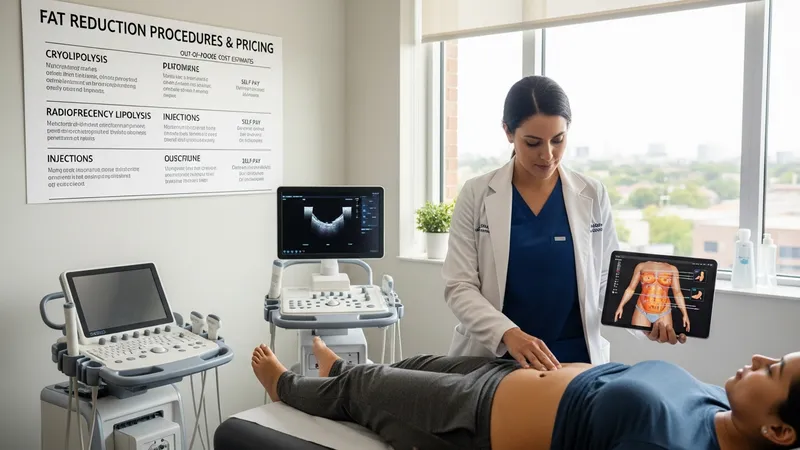
Accessibility in the United States can be shaped by insurance coverage policies, as these procedures are usually classified as elective and not medically necessary. As a result, they are generally not covered by standard health insurance and are paid for out-of-pocket by the patient. Costs can vary considerably depending on the technology, geographic location, size of the treatment area, and the number of sessions required to achieve the desired aesthetic result.
Urban and suburban areas in the United States may have a greater concentration of certified providers offering non-invasive fat reduction, reflecting broader demand for aesthetic procedures. Licensing requirements and regulations regarding the use of these technologies are typically set at the federal and state levels, helping ensure a measure of public safety and practitioner competence across regions.
Industry trends in the United States indicate ongoing research and development, with new tools and protocols emerging as technology advances. Information dissemination from reputable sources such as the American Society of Plastic Surgeons and the FDA offers transparency about procedural options, safety signals, and evolving standards of care. Individuals may review publicly available outcomes and data to better understand what to expect before committing to a series of treatments.