
Oil and gas extraction refers to the set of industrial activities involved in locating, removing, and processing hydrocarbon resources from beneath the Earth’s surface. In the United States, this process typically includes the exploration, drilling, and production of crude oil and natural gas, which are later transported and refined for various uses. The sector is regulated by a combination of federal, state, and local agencies that oversee environmental practices, resource management, and operational safety. The industry’s activities are integral to domestic energy production and supply, influencing economic productivity, energy security, and environmental outcomes.
The extraction process is multifaceted, usually beginning with geological surveys and seismic studies to identify promising sites. Following site selection, companies drill wells to access oil or gas reservoirs, often using advanced technologies such as directional drilling and hydraulic fracturing to enhance recovery. Once extracted, raw hydrocarbons are separated, treated, and transported for refinement. These operations can have both regional and broader environmental and economic impacts, including the creation of supporting industries and infrastructure.
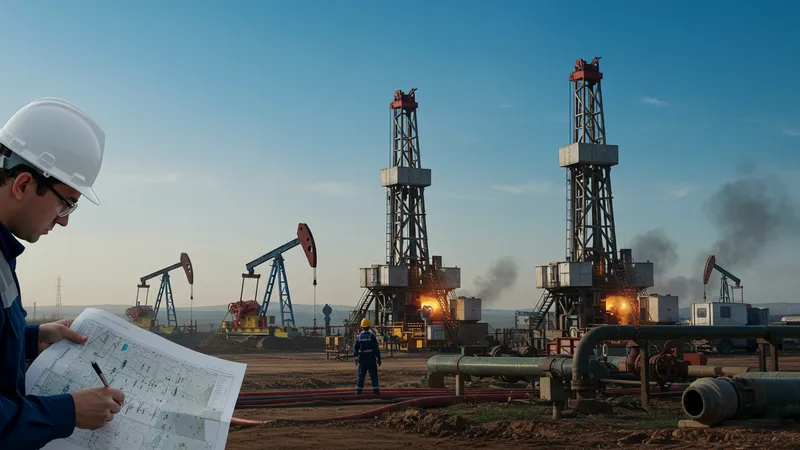
Modern oil and gas extraction in the U.S. may utilize techniques such as horizontal drilling and hydraulic fracturing to improve efficiency and output. These methods can enable access to previously unreachable reserves, although they require careful oversight due to environmental considerations. Technologies in reservoir modeling and remote monitoring also contribute to optimizing production rates and reducing risks.
The regulatory structure surrounding oil and gas extraction in the U.S. is extensive. Agencies such as the Environmental Protection Agency (EPA), Department of the Interior, and state-level organizations set guidelines to manage water use, air emissions, and land reclamation. Compliance with these standards is integral to operating permits and ongoing site management, influencing both project timelines and costs.
Industry supply chains are supported by an array of service providers including drilling contractors, equipment manufacturers, and transport firms. The economic impact extends to regional development and can include new infrastructure projects in pipelines, storage, and refining. These interconnected components can lead to significant employment and tax revenue generation for local communities.
Market dynamics, including fluctuations in global oil prices and demand for natural gas, often shape investment decisions in extraction projects. Companies regularly assess international trends, technological advancements, and domestic policy shifts when planning long-term operations. Shifts in consumer preferences and energy transition policies may also influence the future strategic outlook of extraction activities.
In summary, oil and gas extraction in the United States includes complex technical operations, regulated processes, and far-reaching impacts on local economies, energy markets, and environmental management. The next sections examine practical components and considerations in more detail.
One fundamental process in oil and gas extraction is seismic survey and exploration. Companies in the U.S. often start with subsurface imaging using seismic waves to identify hydrocarbon-bearing formations. This phase can involve the analysis of geological data, aerial surveys, and ground sensors. The gathered information is critical for making informed decisions about where to drill next and helps minimize unnecessary environmental disturbance by targeting specific locations.
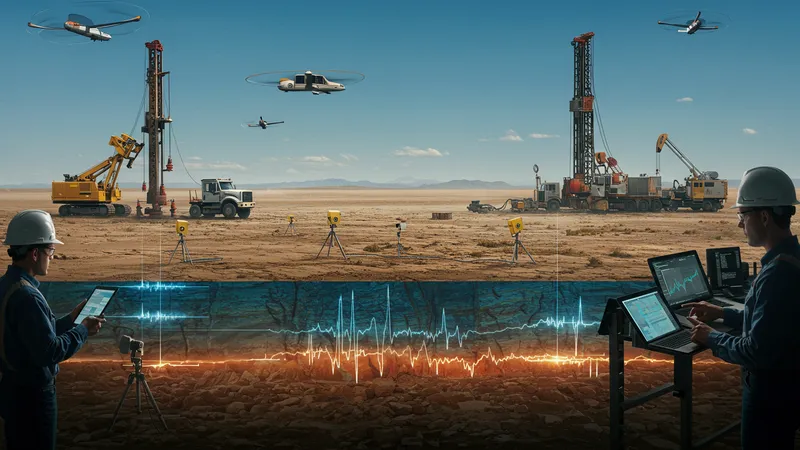
Drilling and well completion represent the core activities that follow exploration. In the U.S., drilling techniques have evolved significantly in the past few decades, with horizontal drilling and hydraulic fracturing now common in many regions. Drilling operations require careful planning to ensure safety and efficiency, with completions involving the installation of casings, cementing, and installing required production equipment. Proper completion allows for controlled extraction while managing pressures and maintaining well integrity.
Production operations commence after a well is successfully completed. This stage typically involves the management of flow rates, pressure maintenance, and monitoring for potential issues that could affect output. Production can last several years or decades, depending on the characteristics of the reservoir. During this time, operators may deploy enhanced recovery techniques or artificial lift methods to sustain output.
Decommissioning and site restoration are also integral components of the extraction process. Once a well becomes uneconomic or depleted, companies are generally required to safely plug the well and remediate the site according to regulatory frameworks. Restoration efforts may include soil cleanup, vegetation replanting, and long-term monitoring to ensure that the area returns to an environmentally stable condition.
Technological innovation has played a significant role in shaping the efficiency and reach of the oil and gas extraction industry in the United States. The application of horizontal drilling, which allows for wells to be drilled laterally through reservoirs, has increased access to resources and enhanced hydrocarbon recovery rates. Hydraulic fracturing, or “fracking,” breaks up rock formations to release trapped oil or gas, often making unconventional shale resources commercially viable.
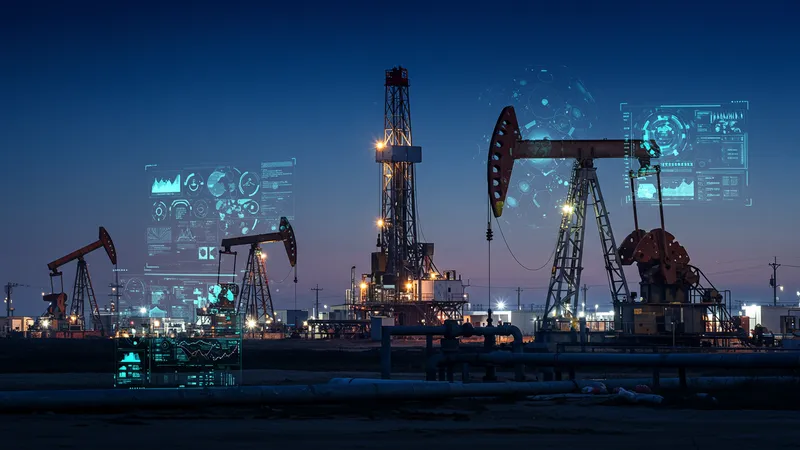
Digital technologies are increasingly being adopted to monitor and optimize extraction operations. Sensors placed along wells and pipelines may transmit real-time data to centralized control centers, permitting rapid response to operational issues or potential safety risks. This digitalization can improve decision-making and may help reduce downtime or inefficiencies, directly impacting operational costs and productivity.
Reservoir modeling and simulation tools have become more sophisticated, allowing engineers to predict reservoir behavior and recovery more accurately. By inputting geological, fluid, and production data, these tools may help optimize well placement and extraction strategies. These advances can extend the productive life of oil and gas fields, often with a lower environmental impact by minimizing unnecessary drilling.
Environmental management technologies are also advancing, particularly in the detection and mitigation of methane emissions, spill control, and water treatment. Modern extraction facilities often include closed-loop systems for water reuse and robust containment systems to reduce the risk of contamination. Such advancements reflect regulatory trends and growing public focus on minimizing environmental footprints.
Environmental impact is a central consideration for oil and gas extraction activities in the United States. Regulatory requirements, such as those set by the Environmental Protection Agency, mandate the management of water resources, control of emissions, and protection of wildlife habitats. Companies are generally required to conduct environmental impact assessments prior to project approval, outlining how they plan to mitigate adverse effects.
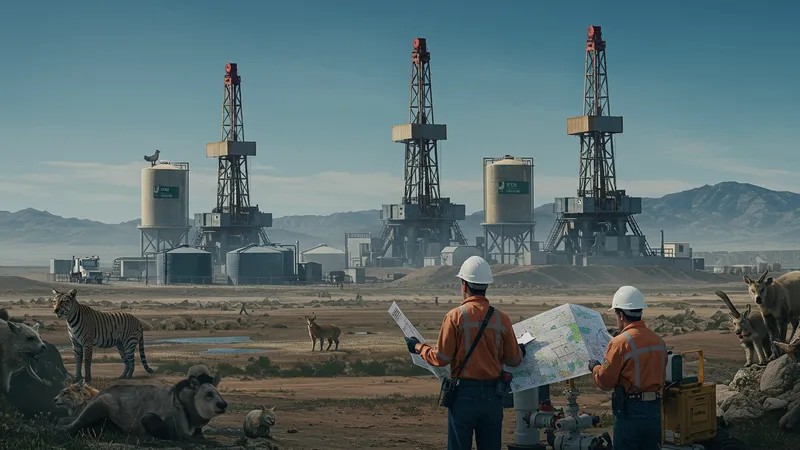
Water usage and management is a particularly important issue, as extraction methods like hydraulic fracturing can require significant quantities of water. Operators often implement recycling or treatment processes to minimize freshwater withdrawal. Regulatory frameworks may set limits on water sourcing and mandate the monitoring of groundwater quality to prevent contamination risks to nearby communities and ecosystems.
Air emissions, notably methane and volatile organic compounds, are monitored closely under federal and state programs. Many companies utilize vapor recovery units, improved flaring practices, and advanced monitoring technologies to reduce the release of greenhouse gases. These practices align with policy trends geared toward lowering the carbon footprint of energy production.
Land reclamation practices are designed to restore sites to productive uses after the cessation of extraction activities. This typically involves removing equipment, treating residual contamination, and replanting vegetation. State programs often require ongoing monitoring to ensure that rehabilitated areas meet safety and environmental quality benchmarks, supporting longer-term sustainability goals.
The economic effects of oil and gas extraction in the U.S. extend to national, state, and local levels. The industry supports a broad range of jobs not only in extraction itself, but also in associated fields such as engineering, transportation, and equipment manufacturing. Tax revenues generated from extraction activities often contribute to funding public services and infrastructure projects, particularly in major producing states.
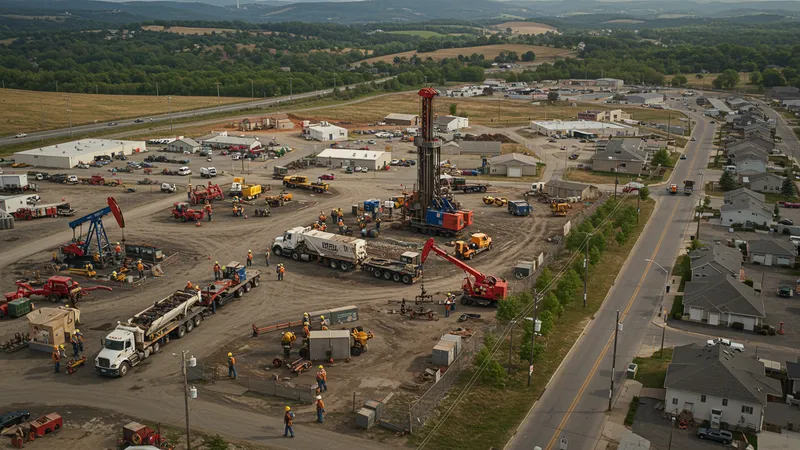
Local economies can experience significant changes linked to resource development. While increased employment and business activity are common, there can be accompanying changes in housing markets, transport infrastructure, and demand for public services. Communities often address such changes through planning and engagement with industry operators, focusing on measures that support balanced regional development.
Social impacts of extraction may include shifts in demographics, community identity, and land use. While some areas may see population growth due to industry-related migration, others might encounter concerns about long-term sustainability regarding resource dependency. Stakeholder engagement initiatives are commonly implemented to help address local concerns and enhance collaboration among community members, regulators, and companies.
Policy developments at state and federal levels can influence the industry’s future direction, affecting investment, workforce training, and energy mix. The ongoing transition toward alternative energy sources is prompting shifts in extraction strategy, workforce skills needs, and economic diversification efforts in regions traditionally dependent on oil and gas.