
Cloud-based property management software refers to digital systems built to help manage rental properties, commercial real estate, or mixed portfolios using internet-based tools. These platforms typically offer a range of features designed to automate core property management activities. Because they operate in the cloud, users can access these services from various devices at any time, providing flexibility for remote work or overseeing multiple locations.
Core features of such software often include functionalities for accounting, tenant communication, maintenance tracking, lease management, and document storage. By centralizing these processes, property managers and landlords may experience increases in organizational efficiency and reductions in administrative workload. The following are representative examples of cloud-based property management software, illustrating commonly implemented functionalities across different products.
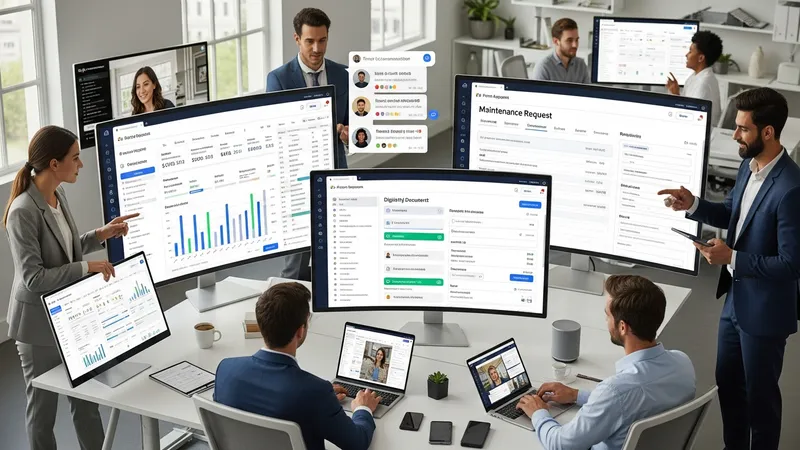
Cloud-based property management software systems can offer improved access to data and streamlined workflows compared to traditional manual or desktop-based methods. Users may securely log in to check reports, respond to inquiries, or track tasks from web browsers or mobile apps. This often leads to a reduction in paperwork and allows stakeholders to retrieve up-to-date information promptly.
These platforms generally include financial management tools to facilitate functions such as rent collection, expense tracking, and the generation of financial statements. Automated reminders for tenants and owners may reduce overdue payments and increase communication efficiency. Most solutions also provide customizable permissions, enabling different roles—such as property managers, owners, or accountants—to view or edit selected information.
Maintenance management is another feature commonly found in these systems. Tenants can submit maintenance requests through an online portal, after which property managers can assign work orders and track status updates. This process can improve response times and centralize the tracking of routine or urgent repairs, leading to more transparent communication with all involved parties.
Tenant and lease management modules typically allow users to store digital documents, automate lease renewals, and manage regulatory compliance. By storing data in encrypted, remote servers, cloud-based systems may enhance security and support ongoing document access, supporting both day-to-day operations and future reference needs.
In summary, cloud-based property management software brings together key components needed to support daily real estate operations, with centralized access and a range of automation tools. The next sections examine practical components and considerations in more detail.
User access and mobility are central features of cloud-based property management software. Since these platforms exist online, property managers, staff, tenants, and owners may access relevant information through web browsers or dedicated mobile apps. This setup can facilitate remote work, particularly when managing geographically dispersed portfolios. Mobile compatibility typically means tasks such as reviewing applications or responding to maintenance requests can occur without location constraints.
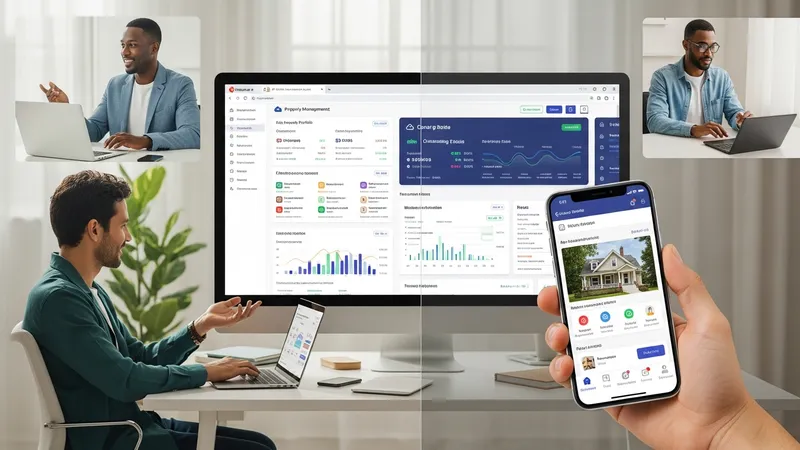
Role-based access is another important aspect. Most software enables administrators to set up distinct user accounts with customized permission levels. For example, tenants may only see their lease details and submit requests, while managers can access or edit comprehensive property data. This structure can help minimize unauthorized access while maintaining operational transparency within the management team.
Examples such as AppFolio Property Manager and Yardi Breeze offer mobile app versions designed to replicate or complement desktop functionality. These apps often include push notifications and real-time updates, supporting on-the-go property management. Integration with smartphone cameras and email functions can also help users upload documents or communicate efficiently while away from an office setting.
The ability to work from multiple locations may also help property management businesses respond to urgent issues or regulatory changes without delay. Cloud-hosted data allows for routine backups and disaster recovery planning, reducing risk of data loss compared to some local solutions. Readers can anticipate further insights about data security and system integration in upcoming sections.
Data security and privacy play key roles in the development of cloud-based property management software. As these platforms often process sensitive information related to tenants, landlords, and financial transactions, providers typically implement multiple layers of security. Encryption protocols are commonly used to protect data both in transit and when stored on remote servers.

Many service providers maintain regular security audits and updates to address vulnerabilities and comply with applicable data protection standards. Multi-factor authentication (MFA) is frequently offered to add an extra layer of login security. Additionally, centralized cloud storage can simplify the process of managing access permissions, document retention, and system monitoring.
Global standards, such as ISO 27001 or SOC 2 compliance, may guide a provider’s security framework. Adhering to such standards can indicate a focus on structured, periodic security controls and transparent incident management procedures. However, the responsibility for implementing secure user practices, such as regularly updating passwords and managing authorized devices, ultimately involves both providers and end users.
Software providers typically publish privacy policies explaining how personal and transactional information is handled. Users may wish to review these policies to understand data sharing practices and retention timelines. The next section addresses the integration of financial and communication modules in these cloud-based solutions.
Financial management capabilities form a core part of most cloud-based property management platforms. Common modules include rent collection, accounts payable and receivable, and expense tracking. These features often connect directly with banking institutions and payment processors to enable online transactions, reducing manual intervention and the risk of payment errors.
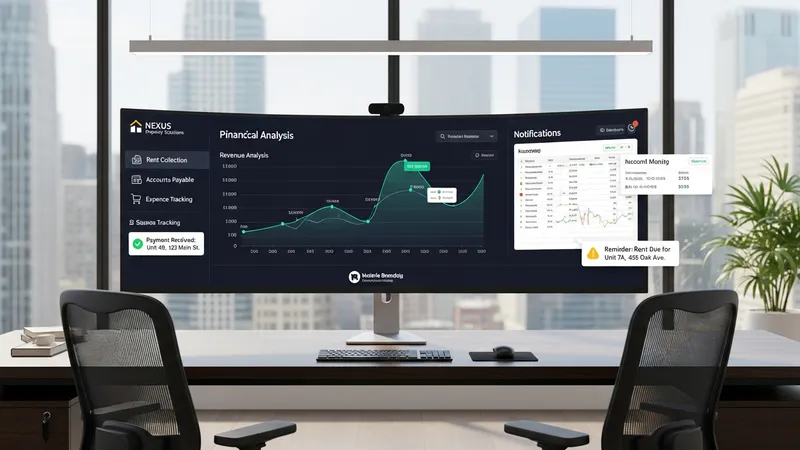
Accounting functions may also generate automated reports for analysis, tax preparation, or compliance. Users can typically export spreadsheets or schedule recurring reports, supporting more informed decision making. Built-in reminders and customizable notifications can help keep tenants and owners updated on upcoming payments or lease deadlines.
Communication modules are usually integrated closely with tenant and owner management features. These often allow property managers to send messages, share documents, or broadcast announcements via email, SMS, or in-app messaging. Automated messaging can be used for routine updates, while custom communications may address incident-specific or complex issues.
These modules usually offer options for saving communication logs and document exchanges, which can be referenced later in the event of disputes. As systems continue to evolve, additional integrations such as video conferencing or chatbots may become common. The final section will discuss ongoing trends and user considerations related to feature adoption and platform flexibility.
The landscape of cloud-based property management software continues to evolve, with new features and integrations developed to address changing technological and regulatory environments. Recent trends include the introduction of artificial intelligence (AI) tools that may assist with lease analysis, predictive maintenance scheduling, or pattern recognition in financial data.
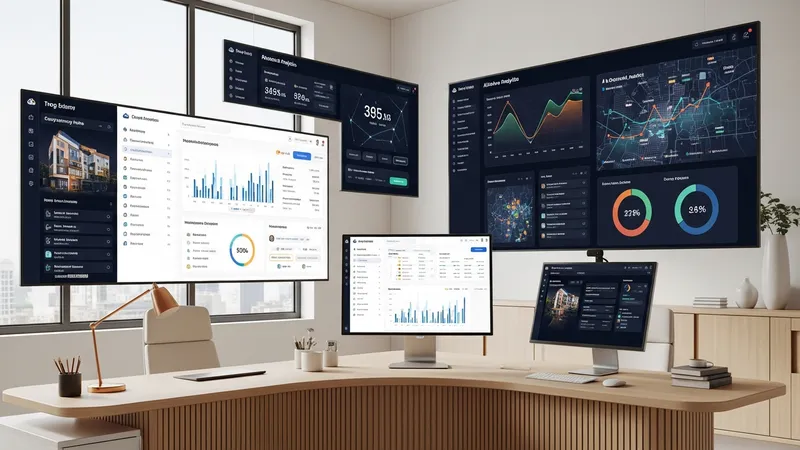
Platform flexibility remains a key selection factor, as property managers often oversee varied asset types with different requirements. Many providers now offer modular add-ons or integration with third-party tools for specialized needs, such as facilities management, legal compliance tracking, or marketing automation. This modularity allows users to select relevant features as portfolios grow or diversify.
Adoption considerations typically revolve around usability, scalability, ongoing costs, and available customer support. Organizations may benefit from evaluating how new software will fit with existing workflows and what resources are available for training and transition. It is common for software providers to offer tiered pricing models that align with organizational size and complexity, though actual costs will depend on individual requirements and contract terms.
In summary, understanding the core features and evolving trends in cloud-based property management solutions can offer valuable insights for property professionals seeking reliable, efficient systems. Continual assessment of security, data privacy, and functional requirements typically supports access to appropriate, adaptable technology platforms in this sector.