
Real estate crowdfunding is a structure where individuals collectively participate in property investments by contributing funds through regulated digital platforms. This approach enables both qualified and retail investors to access real property markets without owning an entire asset. The process is managed by crowdfunding platforms, which typically handle compliance, due diligence, and transaction facilitation while allocating returns according to each investor's share.
In Saudi Arabia, real estate crowdfunding operates under local financial regulations supervised by official entities such as the Capital Market Authority (CMA). Individuals can select specific projects—often residential, commercial, or mixed-use properties—reviewing details shared on platform dashboards. Each participant may contribute a specified minimum amount, making access more inclusive compared to traditional real estate investment models that require substantial capital outlay.
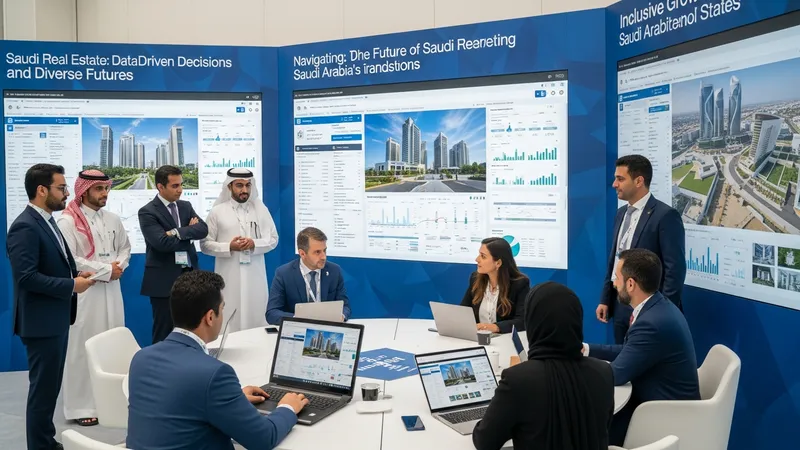
The mechanism behind real estate crowdfunding in Saudi Arabia hinges on regulated platforms, often standardized by strict criteria for project vetting and legal structuring. Prospective investors review property opportunities, which are presented with detailed financials, legal documentation, and projected timelines.
One distinguishing feature of these platforms is the transparent fee structure, which can include platform subscription charges, management fees based on assets under management, and administrative costs for property income distribution. These fees are generally disclosed before any financial commitment is made.
Crowdfunding models available in Saudi Arabia often provide tailored dashboards that let investors monitor project updates, see transaction records, and view overall portfolio performance. Communication channels are set for periodic updates, ensuring investors remain informed throughout the investment lifecycle.
It is typical for platforms to work with licensed custodians and property managers. This separation of roles enhances oversight, compliance, and risk mitigation. Most platforms are subject to ongoing audits and must periodically report to financial authorities.
In summary, real estate crowdfunding in Saudi Arabia represents a regulated, transparent way to participate in property projects. It generally reduces entry thresholds and may diversify exposure to various real estate classes. The next sections examine practical components and considerations in more detail.
The regulatory environment in Saudi Arabia for real estate crowdfunding is governed primarily by the CMA. These regulations are intended to ensure that platforms adhere to standards on investor protection, anti-money laundering, and disclosure of project risks. Platforms must obtain a crowdfunding license that outlines their rights and obligations within the real estate funding space.

Investors typically benefit from regulated disclosures detailing the nature of their contributions, associated risks, and the processes for both onboarding and exit. Given these legal standards, all platform communications are regularly audited for compliance, and any deviation can result in sanctions or the revocation of operating licenses.
Local regulations require that investor funds be placed in segregated accounts, often administered by trusted third-party custodians. This structure aims to minimize the risk of commingling investor and operational funds, providing a safeguard for participant capital should a platform experience operational challenges.
Saudi authorities have implemented ongoing supervision, requiring platforms to submit annual reports and undergo financial audits. These oversight measures typically promote market transparency, encouraging fair access to property investments while deterring misrepresentation or unlicensed activity.
Real estate crowdfunding platforms in Saudi Arabia typically establish a range of fees associated with participation. Platforms commonly charge an administration or service fee as a percentage of the funds invested, which can range from 1% to 3% per transaction. This fee covers the platform’s expenses for vetting projects, providing legal reviews, and maintaining the digital infrastructure.
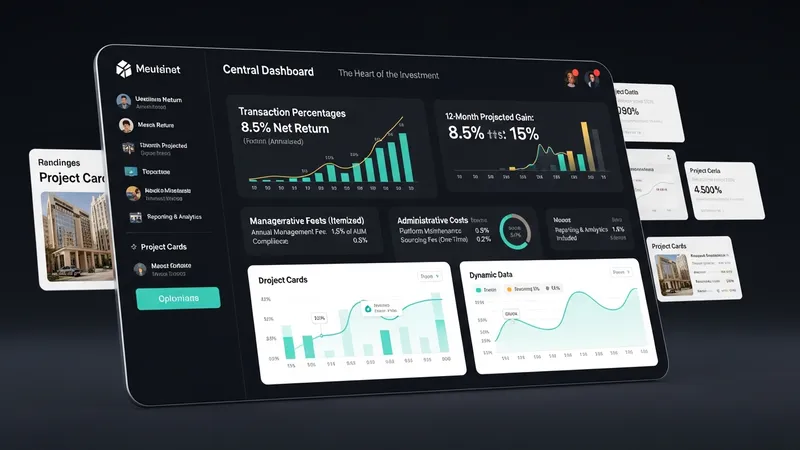
An additional cost may be the management fee, usually calculated as a percentage of the assets under management. This ongoing fee helps compensate the platform operators or affiliated property managers for overseeing property maintenance, tenant relations, and distribution of any returns.
Some platforms may deduct a success fee if property investments reach or exceed a certain performance benchmark, such as net rental income or capital appreciation. However, all such fees are clearly disclosed within the offering documents, and oversight by the CMA reduces the risk of undisclosed charges.
Ancillary costs, which might include payment processing fees or fees for regulatory compliance checks, are also outlined on each platform. Investors are advised to carefully review fee tables, as the aggregate costs can impact expected returns over the life of an investment.
Crowdfunding platforms in Saudi Arabia typically offer a range of real estate project types. Residential projects, such as apartment buildings or villa compounds, are commonly presented for collective investment. Each listing details projected income streams, anticipated occupancy rates, and location specifics relevant to the Saudi market.
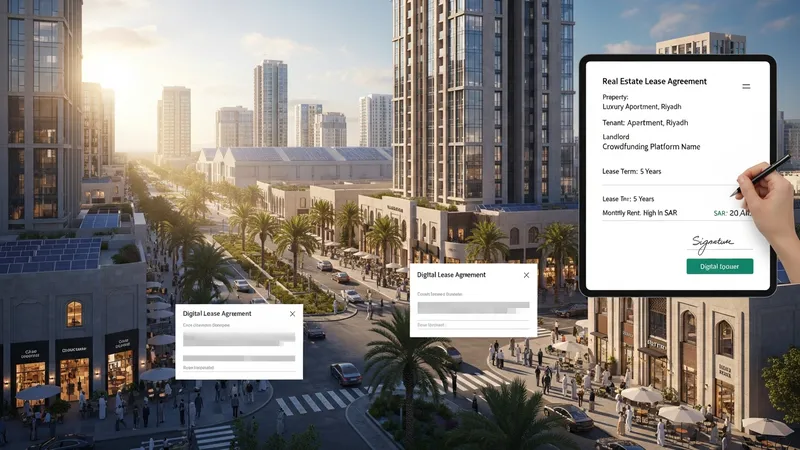
Commercial property crowdfunding is also prevalent. Projects might include office buildings, retail centers, or industrial warehouses. Platforms generally provide extensive documentation, including lease agreements, current tenant portfolios, and historical performance data where available.
Mixed-use developments, integrating commercial and residential spaces, have emerged as another option. These projects often appeal to those seeking income diversification within a single investment. Platforms present mixed-use offerings with explanations about segment allocations and the potential for integrated community management.
Certain platforms focus on Shariah-compliant projects, which are structured to meet Islamic finance principles. These investments typically undergo additional review for compliance with requirements such as the prohibition of interest (riba) and the consideration of ethical business activities.
Investor onboarding in Saudi real estate crowdfunding typically involves electronic identity verification in line with local regulations. Many platforms provide educational resources explaining the nature and risks of pooled property investment before allowing first-time participants to proceed.

The experience of pooling capital with other investors may offer increased access to diversified property portfolios. However, outcomes are subject to market volatility, occupancy rates, and regulatory changes. Platforms routinely disclose risk profiles, and the CMA mandates transparent reporting of previous performance, though future results can vary.
Liquidity constraints are a consideration, as exit options in property crowdfunding are generally limited compared to public markets. While some platforms are piloting secondary trading features, most investments are designed to be held until the project’s completion or predetermined exit milestones.
Investor protections in Saudi Arabia include periodic updates, annual project audits, and regular communication from platform operators. While such measures may help mitigate certain risks, it is important that all parties understand the specific regulations and structures surrounding real estate crowdfunding platforms in the local context.