
Semi automated ultrasonic testing (UT) involves using sound waves to evaluate the internal conditions and structural integrity of materials with partial automation facilitating the inspection process. This technique commonly uses probes emitting high-frequency sound pulses into a test object. Reflected waves from material interfaces or anomalies are detected and analyzed to identify features such as thickness variations, flaws, or internal discontinuities. The semi automated aspect combines manual operator control with automated data acquisition or scanning to balance flexibility and efficiency during inspections.
In Mexico, this method is often applied in industrial settings requiring non-destructive testing, such as manufacturing, oil and gas, and infrastructure projects. The processes generally include probe positioning, data capture via ultrasonic equipment, and interpretation of signal outputs through specialized software. This testing offers insights into material properties without causing damage, although operators must consider various factors impacting accuracy, such as surface conditions, material type, and transducer choice.
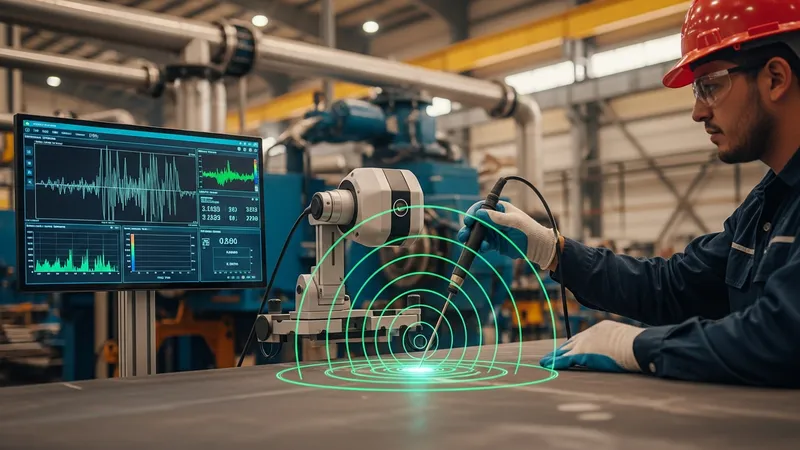
These semi automated UT techniques may be selected based on inspection requirements, such as the complexity of geometry, accessibility, or detection sensitivity. For example, PAUT may allow more comprehensive scanning in less time but requires sophisticated software and training. TOFD is often used in pipeline inspections due to its crack sizing accuracy, while conventional UT still finds use in routine thickness measurements. Each approach may integrate semi automated features like motorized scanning systems or automated data logging to reduce operator fatigue.
Inspection workflows in Mexico often start with calibration procedures tailored to the specific material and geometry under test. Data is then collected systematically, and quality assurance protocols may be implemented to ensure consistent results. The data analysis frequently involves waveform interpretation and digital image generation to highlight possible defects. Operators may cross-check findings against Mexican industrial standards such as NMX or international codes adapted locally.
Ultrasonic testing in the Mexican industrial context can be applied across metals, composites, and weld inspections. It may detect corrosion, cracks, porosity, or inclusions common in manufacturing or maintenance routines. The semi automated approach often provides a compromise between manual UT's adaptability and fully automated systems' throughput. Nonetheless, effective use usually depends on skilled technicians familiar with local inspection standards and environmental constraints encountered in Mexico.
Understanding the fundamental processes and relevant methods in semi automated ultrasonic testing sets the foundation for exploring practical operating considerations. The next sections examine technical components, data handling, and typical industrial applications observed within Mexico's inspection landscape in more detail.
Semi automated ultrasonic testing setups generally consist of several critical components working in coordination. Key elements include ultrasonic transducers, which convert electrical energy into sound waves and vice versa. These probes vary by frequency and configuration, affecting inspection depth and resolution. In Mexico, local availability and compatibility with specific materials often influence equipment choices.
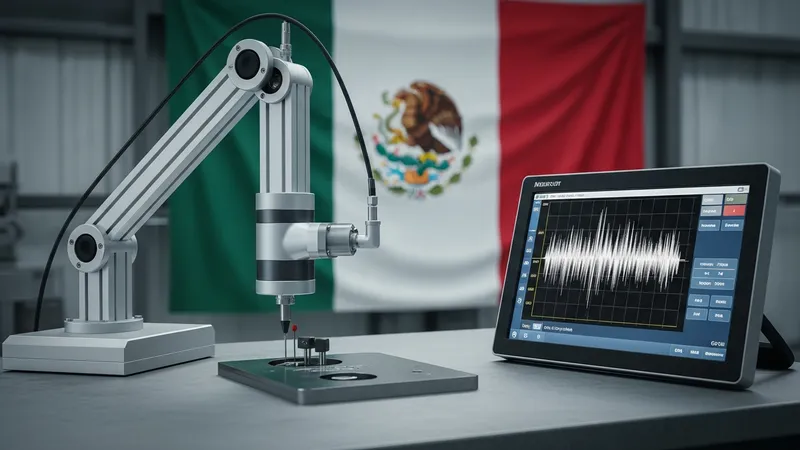
The scanning mechanism represents another important component. Semi automated systems may use motorized devices to move the probe across the test surface at controlled speeds, recording data continuously or at set intervals. This assists in consistent coverage and repeated measurements, which aligns with Mexican quality control practices in sectors like petrochemicals and aerospace.
Signal processing units interpret the returned echoes, amplifying and converting them into digital datasets for analysis. Often, these units integrate with software platforms offering visualization options such as A-scan, B-scan, or C-scan displays. Software tools may provide functionalities to measure defect dimensions or layer thicknesses, subject to operator input. Localization of software providers in Mexico can affect support and compatibility.
Calibration accessories are frequently part of semi automated UT to ensure measurement accuracy. These include reference blocks made of standardized materials matching the inspected object's properties. Calibration processes may be periodically mandated by Mexican industrial standards such as NMX-H-039-SCFI for nondestructive testing equipment, reflecting the regulatory framework supportive of testing reliability.
Data acquisition in semi automated ultrasonic testing often involves automated recording synchronized with probe motion, enabling large inspection areas to be covered systematically. This process typically generates voluminous datasets that require detailed analysis to identify potential defects or material variations. In Mexico, firms may adopt established workflows ensuring data integrity and traceability aligned with industrial norms.
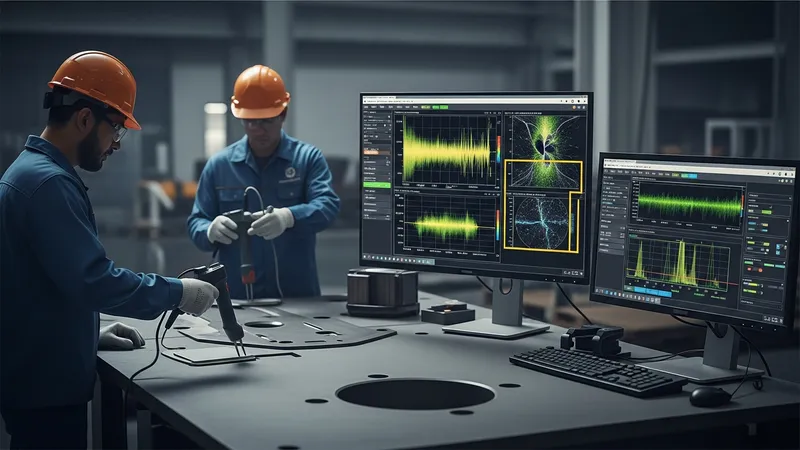
Signal interpretation commonly involves assessing waveform features such as amplitude, time of flight, and echo patterns. Semi automated systems may assist operators by highlighting anomalies through programmed thresholds or pattern recognition algorithms. However, human expertise remains crucial in validating and contextualizing automated findings to reduce false positives or overlooked flaws.
Post-processing techniques, including image reconstruction and defect sizing, translate raw ultrasonic signals into visually interpretable formats. Mexican inspection teams often compare these outputs against acceptance criteria defined in sector-specific documentation or standards like API 1104 for pipeline welds. Such practices emphasize cautious interpretation rather than definitive statements about material condition.
Data management strategies protect sensitive inspection records by implementing secure storage and controlled access. Some companies in Mexico utilize specialized software platforms allowing review, reporting, and archiving compliant with internal procedures or national regulations associated with industrial quality assurance. This aspect supports ongoing maintenance planning without suggesting absolute reliability of detected defect evaluations.
Semi automated ultrasonic testing is widely utilized in Mexico's industrial sectors that require material integrity verification without impairment. The oil and gas industry frequently applies these techniques for pipeline fouling and corrosion monitoring, where semi automated systems often facilitate efficient coverage of complex geometries and long distances under field conditions.
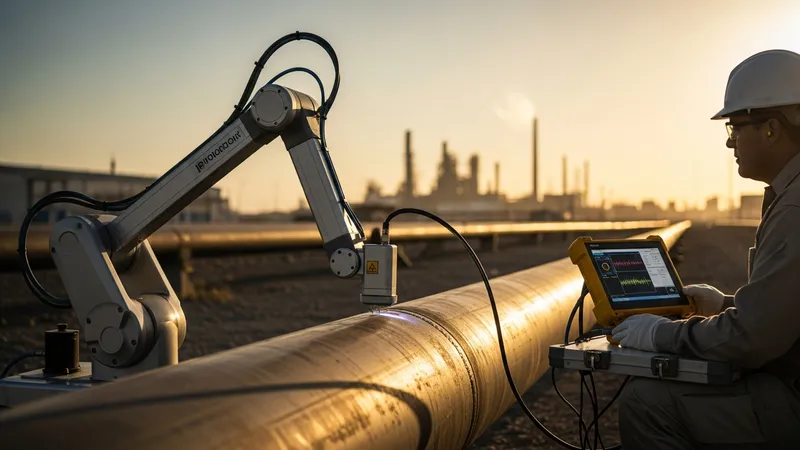
Manufacturing companies producing metal components or welded assemblies may incorporate semi automated UT into quality control processes. In Mexico, this could involve spot-checks for internal defects or dimensional consistency using portable semi automated devices, which balance inspection thoroughness with operational constraints.
Infrastructure maintenance, including bridges and industrial facilities, sometimes employs semi automated ultrasonic inspection to detect potential fatigue cracks or internal corrosion. The Mexican government's standards and guidelines typically influence how inspections are planned and documented within public safety frameworks.
Other applications observed in Mexico include aerospace component evaluation and automotive manufacturing testing, where semi automated tools may provide detailed internal scanning with manageable operator involvement. Such applications illustrate how this testing modality fits diverse needs requiring reliable, repeatable evaluation methodologies.
Implementing semi automated ultrasonic testing in Mexican industries involves considerations related to operator expertise, equipment selection, and environmental factors. Skilled technicians trained in both UT theory and practical software use often increase the accuracy and efficiency of inspections while minimizing interpretation errors.
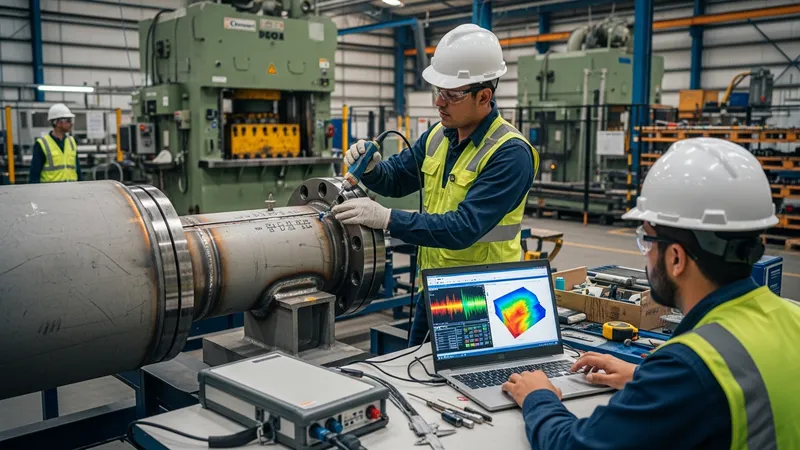
Equipment availability and maintenance can influence semi automated UT's effectiveness in Mexico. Sourcing appropriate probes, scanning mechanisms, and compatible software may involve local distributors or service providers familiar with national technical requirements and calibration standards.
Environmental characteristics such as temperature, surface conditions, and accessibility can affect sound wave propagation and data quality. Mexican field conditions, especially in remote or industrial zones, may present challenges requiring adaptation of scanning procedures or equipment settings to maintain inspection reliability.
Finally, adherence to Mexican regulations and industry-specific standards ensures that semi automated ultrasonic testing meets quality assurance and safety expectations without overstating its diagnostic capability. Users typically treat results as part of broader inspection programs incorporating complementary testing methods and ongoing monitoring activities.