
Senior living options refer to the spectrum of housing and care arrangements specifically designed for older adults. These arrangements often address a range of needs, from independent lifestyles with minimal support to more structured environments offering varying degrees of personal and healthcare services. Exploring these choices provides insight into the distinctive levels of assistance, amenities, and social environments available for seniors, helping to clarify how each arrangement may align with different circumstances.
The framework for senior living typically includes independent living communities, assisted living facilities, and continuing care retirement communities (CCRCs), among other models. Each option is characterized by its service offerings, resident requirements, and daily living supports. Understanding these elements can be beneficial for individuals who seek environments that may better fit their preferences or needs as they age.
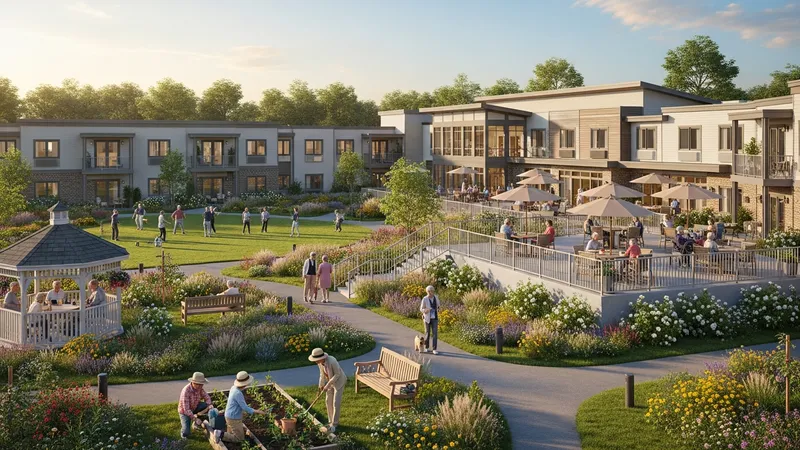
Independent living communities tend to focus on convenience and social opportunities rather than extensive personal care. Residents typically own or rent private apartments within a campus-like setting. Services such as meal preparation, transportation, and recreational activities are often included, offering a living environment that may appeal to those preferring active, maintenance-free lifestyles.
Assisted living facilities are designed for individuals who may need help with daily tasks but do not require continual medical care. These facilities generally provide private or semi-private accommodations, along with staff available day and night for non-medical support. Social activities, meals, and varying levels of personal assistance are common features, aiming to balance independence with accessible help.
Continuing Care Retirement Communities (CCRCs) offer a more comprehensive approach by integrating different levels of care within a single campus. This model allows residents to transition between independent, assisted, and nursing care as their needs change, often with contractual agreements outlining terms of residence and care. CCRCs can provide continuity and adaptability for those planning to age in place.
When considering these options, variability exists regarding cost structures, community sizes, and the extent of services provided. Pricing may depend on location, apartment size, and level of care, typically ranging from moderate to substantial monthly fees. Prospective residents often weigh factors such as lifestyle preferences, anticipated support needs, and available amenities in their decision-making process.
In summary, senior living options encompass a broad array of environments tailored to different needs and expectations. The diversity among independent living, assisted living, and CCRCs illustrates the flexibility and range of services available to seniors. The next sections examine practical components and considerations in more detail.
The housing structures within senior living options vary significantly to accommodate different personal and care requirements. Independent living communities typically consist of apartments, cottages, or townhouses in a campus-like setting. Units are designed to allow privacy while supporting communal engagement, frequently offering shared common areas such as dining rooms, fitness centers, or activity spaces.
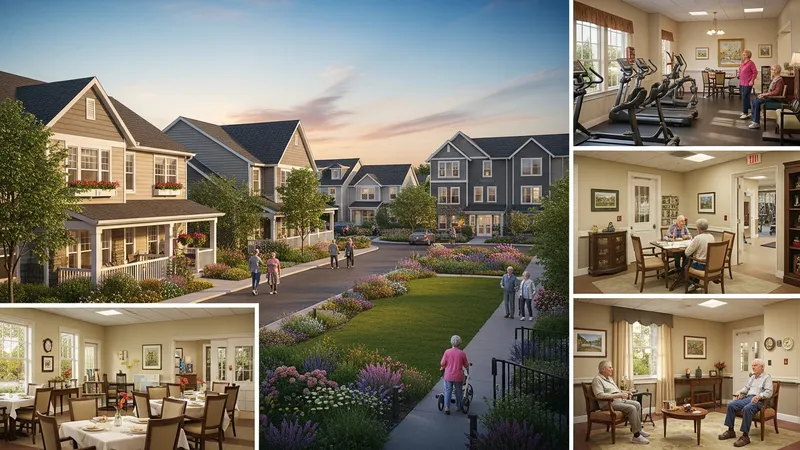
Assisted living facilities often feature private or semi-private rooms grouped around common spaces. The architectural design aims to encourage both independence and accessibility, with features such as handrails, step-free entryways, and emergency alert systems. Residents benefit from having ready access to assistance, and layouts are planned to minimize barriers for those with mobility concerns.
Continuing Care Retirement Communities (CCRCs) may encompass a mix of housing styles on a single campus, including independent living apartments, assisted living suites, and skilled nursing units. This arrangement enables residents to transfer between accommodations as their care needs evolve without leaving the broader community. Shared facilities such as recreation areas and medical clinics may also be available as part of the integrated environment.
The configuration and environment within each senior living model can influence residents’ experiences, social opportunities, and sense of autonomy. Housing selection often considers individual preferences regarding privacy, space, and proximity to services, as well as the potential for adapting to future health needs. Understanding these distinctions may help frame expectations about lifestyle and logistical aspects of senior living settings.
Seniors residing in independent living communities generally access a range of amenities focused on comfort and social activity. These may include communal dining rooms, fitness centers, scheduled outings, and on-site entertainment. The goal is to reduce daily maintenance responsibilities and offer opportunities for social interaction, supporting active lifestyles without providing intensive care services.
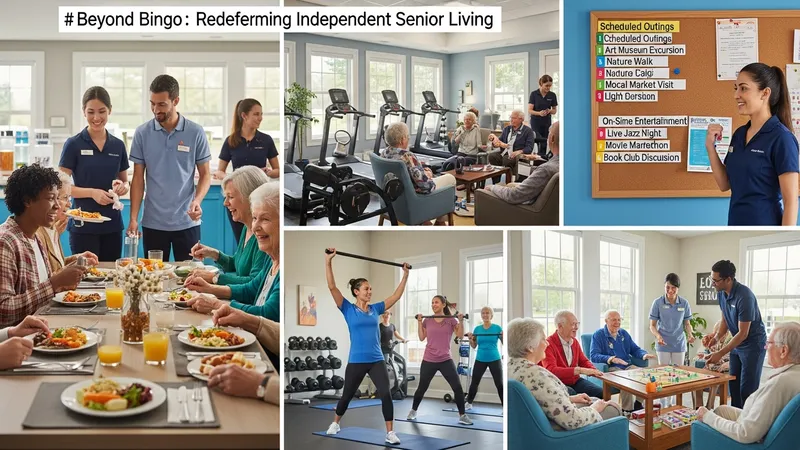
Assisted living facilities typically provide further support by incorporating personal care and health monitoring into the daily routine. Staff assistance with tasks like bathing, grooming, and managing medications is common. Many facilities also feature shared meal plans, laundry services, transportation arrangements, and recreational programming tailored to varying ability levels, aiming to create a supportive environment for daily living.
Continuing Care Retirement Communities (CCRCs) combine amenities from both independent and assisted living in addition to skilled nursing services if required. Residents may benefit from a versatile campus including walking trails, wellness centers, cultural activities, and medical clinics. The availability of multiple care levels on one site allows for an integrated experience as personal needs change over time, with staff facilitating transitions between service types.
Service offerings can differ based on the specific community, region, and contractual agreements. Some amenities, such as housekeeping, transportation, or meal plans, may be included in standard fees, while specialty services like physical therapy or private nursing may incur additional costs. Individuals often find it valuable to review service lists and fee structures when considering senior living arrangements.
The social environment within senior living settings may play an important role in residents’ quality of life. Independent living communities often emphasize social engagement through scheduled group activities, workshops, classes, and communal dining experiences. These elements are designed to foster a sense of belonging and provide opportunities for forming new relationships among peers with shared interests or backgrounds.
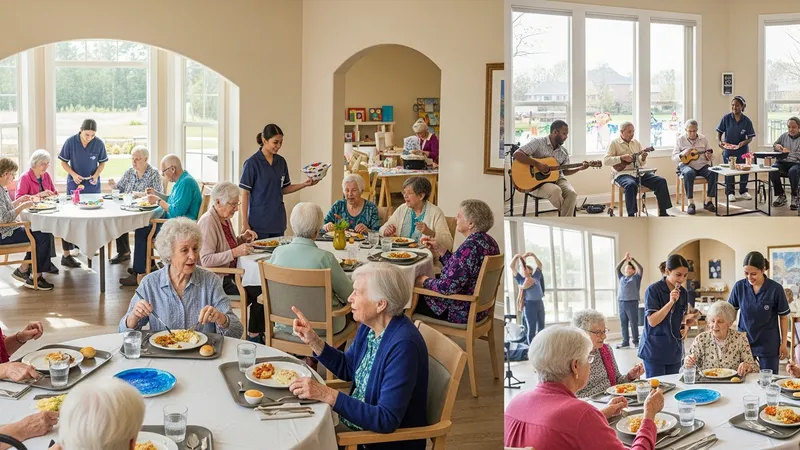
Assisted living facilities organize both structured and informal programs intended to support residents’ emotional and social well-being. Activities may include arts and crafts, music sessions, exercise groups, or outings to nearby attractions, adjusted to accommodate a range of physical abilities. Staff assistance with participation can also be available, helping individuals remain engaged even as mobility or health changes occur.
Continuing Care Retirement Communities (CCRCs) typically offer a variety of on-site clubs, volunteer opportunities, and intergenerational events. Through the provision of a resident council or advisory groups, some CCRCs encourage input on community life and program planning. The multi-level care model often supports ongoing connections as needs change, with communal spaces and events providing continuity in social life throughout different care stages.
Social integration and accessibility of community life are often highlighted as potential benefits of senior living options, but the overall atmosphere can vary by location and resident involvement. Individuals may wish to consider the available programs, level of staff support, and resident demographics when evaluating the community aspects of a particular setting.
The costs associated with senior living options generally depend on the type of housing, level of care, geographic location, and selected services. Independent living communities typically have straightforward fee structures covering rent and basic amenities, with additional charges for services such as housekeeping or meals. Pricing may range widely and is often influenced by apartment size, amenities, and occupancy rates.
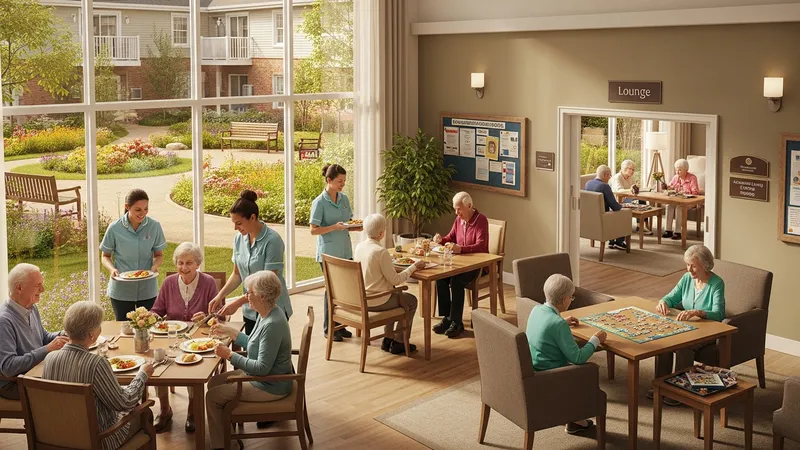
Assisted living facilities usually operate with a monthly fee model that encompasses housing, meals, scheduled activities, and regular personal care assistance. Fees can increase based on the level of support required, such as medication management or specialized care. Some facilities may also require one-time entry deposits or community fees, which are variable and depend on contractual terms.
Continuing Care Retirement Communities (CCRCs) often have a more complex pricing structure, involving an initial entrance fee alongside ongoing monthly payments. The entrance fee may be partially refundable or nonrefundable, depending on agreement terms. Monthly fees typically cover a combination of housing, meals, utilities, and access to various levels of care as prescribed by the facility’s policies. This model aims to provide cost predictability for residents as their care needs change.
In all settings, insurance coverage, government assistance, or other financial arrangements can influence out-of-pocket costs for seniors. It is common for individuals and families to closely examine contract details, included services, and potential extra fees prior to making decisions about senior living options. Understanding these factors may help set realistic expectations regarding affordability and long-term planning.